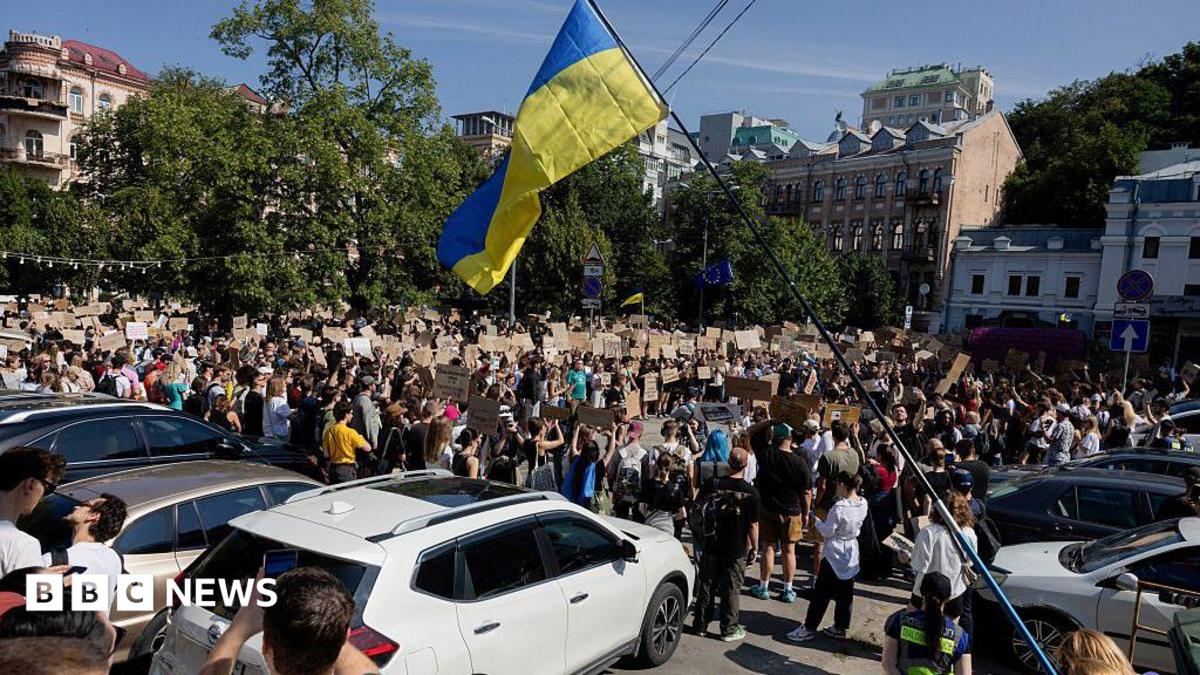
The unexplained Mykhailo Fedorov dismissal has triggered street protests in cities across Ukraine, officials and local reports say. President Zelensky has not provided a detailed explanation for the removal, and demonstrators have gathered to demand answers and clarity from the presidency.
Mykhailo Fedorov dismissal
The abrupt Mykhailo Fedorov dismissal was announced by official channels as a personnel change rather than with a full public rationale. That limited explanation has become the central grievance for protesters and rights groups: they say the lack of transparency about such a senior defence post is unacceptable at a sensitive moment for national security.
What happened and why it matters now
According to reporting by the BBC and local eyewitness accounts relayed to BBC journalists, the defence minister was removed from his post without a detailed statement setting out reasons or an immediate successor plan. The absence of a clear explanation has heightened public alarm.
This matters because sudden changes at the top of defence institutions can affect civilian oversight, morale within the armed forces, and public trust in government decision-making. Observers and veterans’ groups quoted in reporting have stressed that predictable leadership and transparent processes are important for both operational continuity and democratic accountability.
Where protests are happening and what they look like
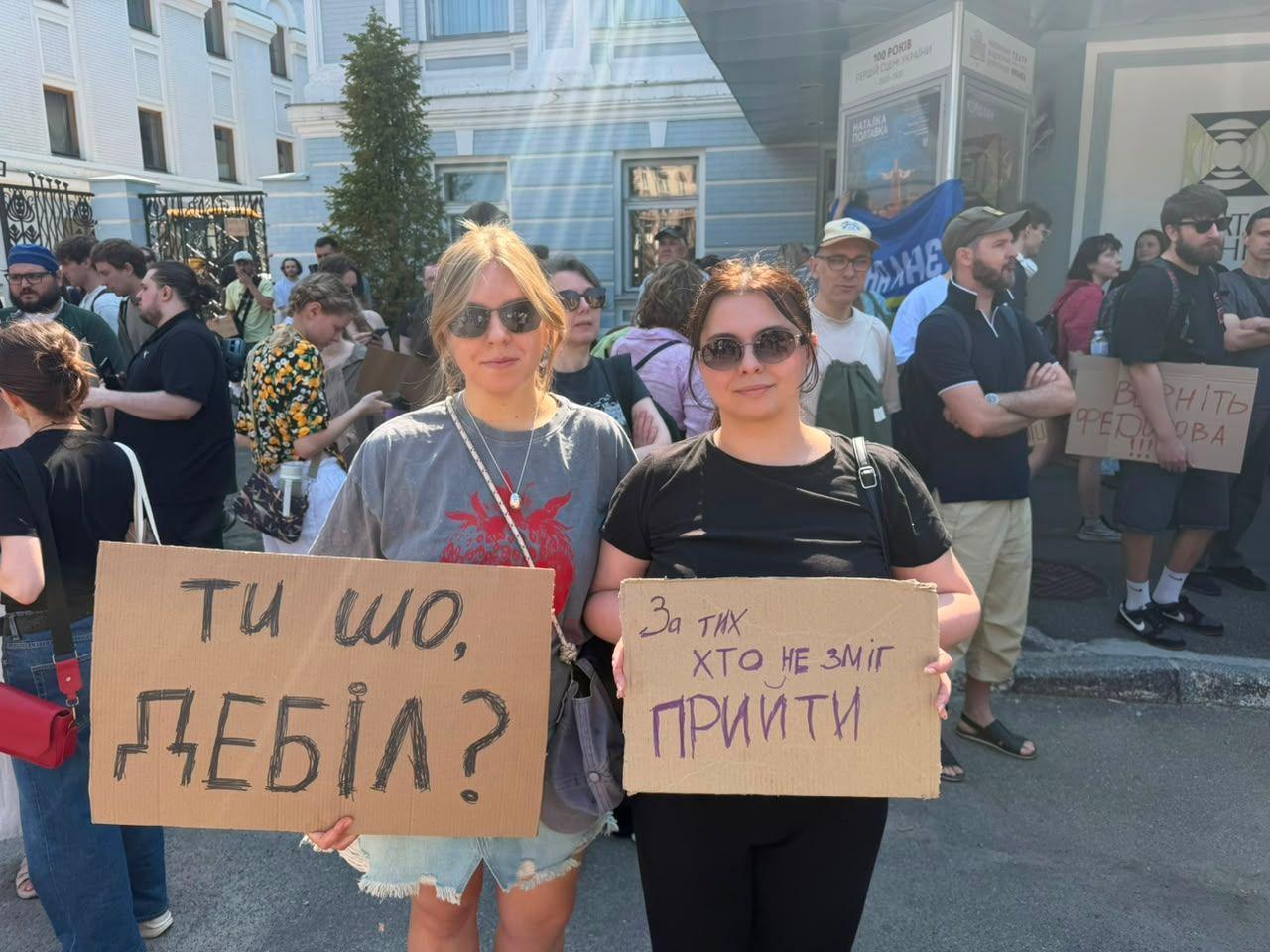
Demonstrations have been reported in multiple Ukrainian cities. Witnesses interviewed by the BBC described crowds gathering near government buildings and in central squares, with protesters carrying banners and chanting for answers. Organised civil society groups have joined unaffiliated citizens; reports indicate a mix of peaceful protest and sharply voiced demands rather than coordinated violence.
Media and eyewitness coverage describe ranges in scale from hundreds to larger local gatherings depending on the city. Participants include activists, veterans and family members of service personnel who say they are unsettled by sudden leadership changes. BBC reporters noted the emotional tenor of some gatherings, with calls for transparency and for the government to explain the grounds for the removal.
Reaction inside the military and civil society
News coverage indicates significant concern within civil society and among some military circles. Veterans’ organisations and civic activists have publicly urged authorities to explain the decision and to ensure that any transition does not undermine operational planning.
Sources cited in reporting say that parts of the military leadership and rank-and-file personnel have expressed unease about command continuity. While there is no verified reporting of operational disruption, analysts quoted by news outlets emphasise that even perception of instability can have consequences for planning and for international partners watching Kyiv’s internal cohesion.
What officials have said so far
President Volodymyr Zelensky and senior spokespeople have acknowledged the personnel change but have not offered a detailed public explanation for the dismissal. Official statements so far have described the move as a routine personnel matter without naming specific triggers or circumstances that led to the decision.
Government offices have provided limited comment while the public response unfolds. That lack of a clear explanation has been repeatedly highlighted by protesters and analysts, and has become a focal point of demands for accountability.
What comes next
In the short term, organisers and civil society groups have signalled they may hold follow-up demonstrations if a fuller explanation is not provided. Continued public pressure could prompt further statements from the presidency, parliamentary queries, or clarifying comments from defence officials.
Key items to watch are any formal announcements of an interim minister or a confirmed successor, statements by senior military officials addressing continuity of command, and potential parliamentary scrutiny. Journalists should monitor official communications channels and verified statements from veterans’ groups for developments.
If authorities provide a clear explanation promptly, it may reduce tensions. If not, there is a risk that protests could persist or expand, particularly if civil society groups and veterans’ organisations coordinate larger public actions. For now, the situation remains primarily one of vocal public protest and calls for transparency rather than widespread disorder.
Background and context
Cabinet-level and defence appointments in Ukraine carry weight for both domestic governance and national security policy. Changes at the top of the defence ministry are closely watched by the public, political actors, and international partners. Analysts routinely emphasise the importance of clear communication when senior officials are removed or reassigned, to preserve trust between the government, military personnel and civil society.
Observers also note that predictable transition processes and timely public explanations help allies and partners assess continuity of policy and command. In the absence of such clarity, domestic audiences can assume the worst, increasing pressure on leaders to provide reassurance.
Source attribution: Reporting in this article relies on BBC News coverage and eyewitness accounts cited by the BBC. For full reporting and original coverage, see the BBC article: BBC News – Protests in Ukraine’s cities against Zelensky’s removal of defence minister.
Journalists and readers should treat ongoing eyewitness reports as evolving; further official statements or corroborating reporting may clarify details in the hours and days ahead.