BOSTON — By The Nonstop News Staff
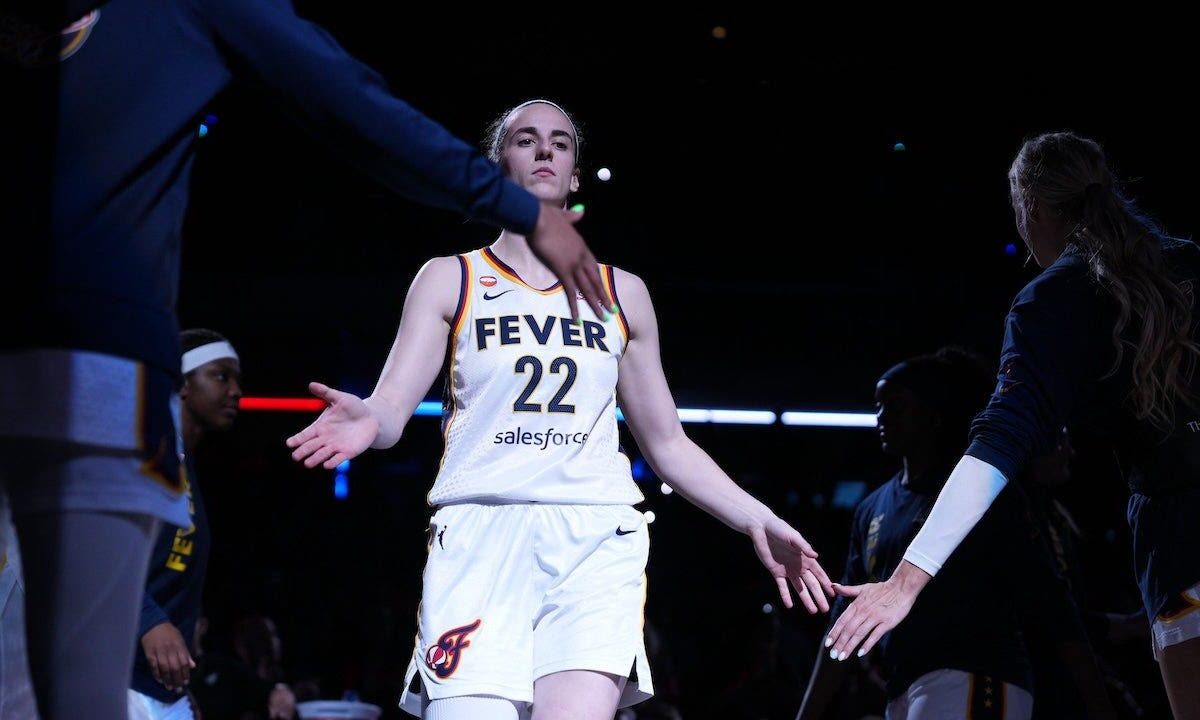
“I argue that this is not a racial question,” Howard Bryant said on Bomani Jones’s podcast, framing the debate over Caitlin Clark’s treatment in the WNBA as rooted in behavior rather than race. (Source: Fox News / OutKick.)
Bryant, an ESPN writer with a long profile in sports media, used the program to argue that visible court actions — from taking many three-pointers to taunting opponents — are central to why some players and fans respond negatively to Clark. (Source: Fox News / OutKick.)
What Howard Bryant said on Bomani Jones
On “The Right Time With Bomani Jones,” Bryant laid out his central claim: hostility toward Clark is primarily driven by on-court conduct rather than race, and he stated plainly, “I argue that this is not a racial question.” (Direct quote and podcast context: Fox News / OutKick.)
Bryant described patterns he sees as provoking negative reactions: frequent three-point attempts, visible celebrations, and confrontational body language. He questioned whether a player can both loudly protest officials and then celebrate in opponents’ faces without generating friction. (Podcast audio and summary: Fox News / OutKick.)
Howard Bryant’s view in context
Bryant’s argument arrives amid broader debate about how athletes’ actions intersect with identity and media narratives. He compared some of Clark’s visible celebrations to the taunting of past stars such as Michael Jordan, noting historical tolerance for showmanship among elite players while also asking why Clark’s behavior draws especially intense attention now. (Contextual comparison: podcast; analysis: Fox News / OutKick.)
Examples Bryant used to explain dislike
Bryant cited specific actions he believes fuel resentment: sticking her tongue out, celebrating emphatically after big shots, and a high volume of three-point attempts that alter game flow. He argued these behaviors produce a perception problem among some teammates, opponents and fans. (Source: podcast excerpt summarized in Fox News / OutKick.)
But he also acknowledged an unresolved tension: historically taunting stars were often embraced, so the intensity of the current backlash may reflect changing media ecosystems, social media dynamics and identity-informed responses that require separate assessment. (Analytical note: podcast and media context: Fox News / OutKick.)
2011 arrest and competing statements
Coverage of Bryant’s podcast prompted reminders of his 2011 arrest. Contemporary reporting shows Bryant was arrested in 2011 on allegations that he assaulted his wife and later was charged with assaulting a police officer during the incident. (Contemporary coverage and reporting: MassLive, May 2011.)
Bryant’s attorney, Buz Eisenberg, told the Boston Herald the response involved questions about race and said, in context, that race could have influenced public reaction and that they intended to contest the allegations. (Quote attribution: Boston Herald coverage cited by later accounts.)
State Police spokesman David Procopio, as reported at the time, disputed the race-based defense and said the arrest was prompted by evidence indicating a physical assault of a woman and combative behavior toward officers. These remain allegations from the 2011 record and reflect competing public statements; readers should treat unresolved legal claims with appropriate caution and consult original records for verification. (Law enforcement statement summary: MassLive, May 2011.)
Reactions from players and media
Responses have varied. WNBA player DiJonai Carrington was quoted in coverage saying, “Silence is privilege,” a line used to frame expectations many players express about how public figures engage with social issues; that quote has been cited in reporting about the wider debate. (Player quote cited in coverage: Fox News / OutKick.)
Conservative outlets, including OutKick as carried by Fox News, interpret the backlash as evidence some media and WNBA voices view Clark’s popularity through a racialized lens, arguing her rise has been framed in part around her identity as a straight white woman in a league with many Black and LGBTQ players. Other outlets emphasize structural and historical dynamics that complicate single-cause explanations. (Media interpretations: Fox News / OutKick.)
Because Bryant writes for ESPN and speaks from a platform with wide reach, his framing shapes part of the conversation even as his past controversies prompt critics to question his credibility. (Platform context: podcast and reporting cited above.)
Why this debate matters for the WNBA and public discourse
The stakes include how fans, players and the media interpret athlete behavior within broader racial and cultural narratives. Framing criticism solely as behavior-driven risks overlooking identity and structural factors; framing it only as race-driven can obscure genuine competitive or personality-based tensions. How outlets and leagues resolve such debates affects public perception of the WNBA, the treatment of rising stars like Clark, and how commentators are held accountable for cultural analysis. (Analytical context: multiple outlets cited above.)
Sources and what to watch next
This article is based on the Bomani Jones podcast exchange as reported by Fox News/OutKick, and on contemporaneous reporting of Howard Bryant’s 2011 arrest by MassLive and coverage referenced from the Boston Herald. Key unresolved items include fuller transcripts or recordings of Bryant’s remarks, any direct response from Caitlin Clark or WNBA officials, and original legal or disciplinary records related to the 2011 arrest.
Watch for follow-up reporting that may include statements from Clark, the WNBA, teammates, and any newly released records that clarify the 2011 allegations. Journalists and readers should weigh both primary sources (podcast audio and legal records) and secondary reporting when evaluating contested claims.
Sources (selected)
Fox News / OutKick — “ESPN writer blamed racism arrest says racism not blame Caitlin Clark hate” (article summary and podcast excerpts). Accessed July 18, 2026: https://www.foxnews.com/outkick-sports/espn-writer-blamed-racism-arrest-says-racism-not-blame-caitlin-clark-hate
MassLive — Contemporary reporting on Howard Bryant’s 2011 arrest (May 2011). Accessed July 18, 2026: https://www.masslive.com/news/2011/05/espn_writer_howard_bryant_agre.html
Boston Herald — coverage citing Buz Eisenberg and other statements (accessed July 18, 2026): https://www.bostonherald.com
Takeaway: Bryant argues the Clark backlash is rooted in on-court behavior; others counter that race and media narratives shape reactions. Next steps for readers: review the podcast audio, seek direct statements from Clark or the WNBA, and consult public records tied to past allegations before drawing firm conclusions.
Reporting note: This story summarizes public comments and contemporaneous reporting. Where allegations exist (notably the 2011 arrest), this piece highlights competing statements and encourages readers to consult original records and follow subsequent reporting for updates.