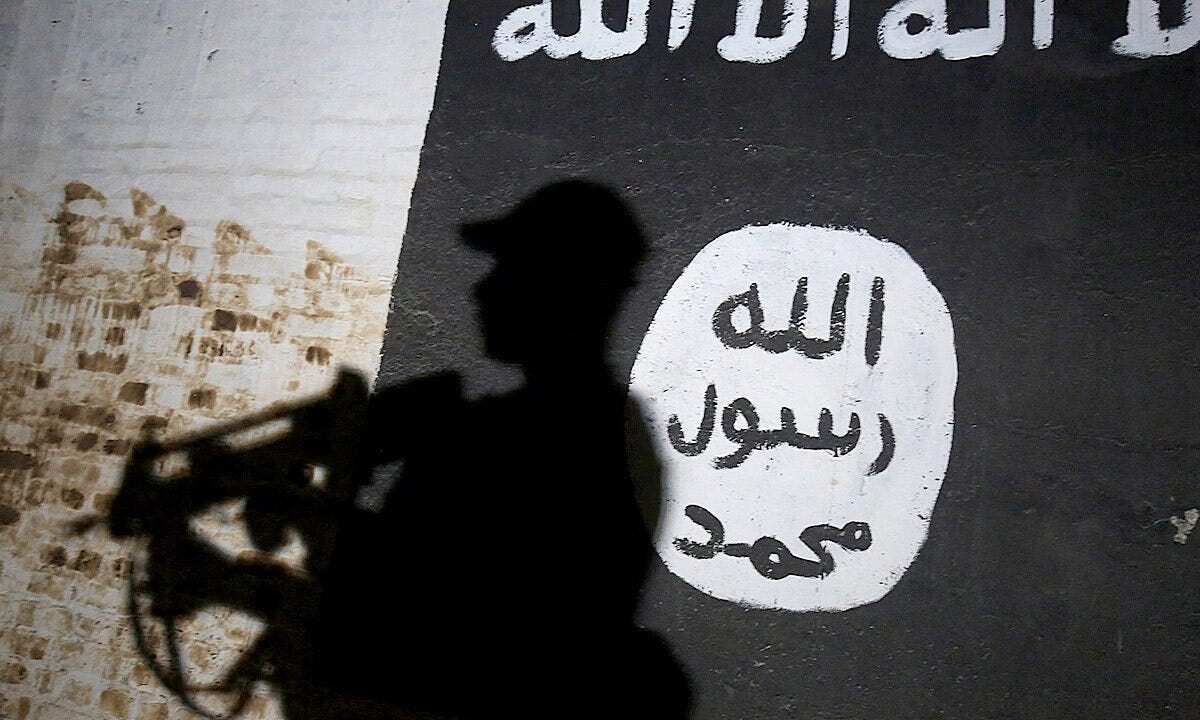
The Sept. 30 ISIS Iraq withdrawal is set to mark the end of the U.S. military presence in Iraq, and experts warn it could open exploitable security gaps. Dr. Omar Mohammed, a researcher with the George Washington University Program on Extremism, told Fox News Digital: “ISIS is waiting actively in the gaps, as it historically always has.”
What the Sept. 30 ISIS Iraq withdrawal means
U.S. officials have said remaining American troops will leave Iraq by Sept. 30. CENTCOM has stated it will continue working to dismantle ISIS networks even as the conventional U.S. footprint changes.
For Iraqi leaders and partners, Sept. 30 is both a logistical deadline for troop movements and a test of whether Iraq’s security architecture and allied cooperation can sustain pressure on insurgent networks without the same on-the-ground U.S. presence.
Why experts say ISIS could exploit the gap
“ISIS is waiting actively in the gaps, as it historically always has,” Dr. Omar Mohammed said.
Mohammed and other analysts argue ISIS tends to expand where patrols, oversight and political attention lapse. He highlighted recent, wide-ranging estimates for ISIS manpower in adjacent parts of Syria as a central worry.
Citing Iraqi intelligence assessments as reported to Fox News Digital, Mohammed relayed a figure that places fighters in parts of Syria between roughly 2,000 and 10,000. This number is reported here as an unverified intelligence estimate and has not been independently confirmed.
Even if precise head counts are unclear, the pattern Mohammed describes—persistent local networks, cross-border movement and use of neglected terrain—matches how ISIS has previously rebuilt footholds.
Militias, the Popular Mobilization Forces and the security vacuum
Iraq’s internal security landscape complicates any post-withdrawal picture. The Popular Mobilization Forces (PMF) were folded into parts of Iraq’s security framework after the fight against ISIS, yet many elements remain heavily armed, politically tied and factionalized.
Mohammed estimated the PMF at roughly 238,000 members; he and reporting note this is an unverified figure and should be treated as an estimate rather than a confirmed tally.
“The militias claim the ISIS threat in order to keep their weapons, while ISIS recruits from the grievances that the militias create,” Mohammed said, describing a mutually reinforcing cycle in which armed groups and insurgents can thrive amid weak governance.
Analysts warn these dynamics can leave governance gaps and contested zones where neither state security forces nor militias provide reliable oversight—precisely the spaces insurgents exploit to regroup.
Regional stakes: Iran, Baghdad and the White House meeting
The drawdown also interacts with larger regional calculations, notably Tehran’s influence in Iraq. According to reporting by Fox News Digital, Iraqi Prime Minister Ali al-Zaidi met at the White House on July 14 and officials announced the remaining U.S. troop presence would depart by the September deadline. That meeting detail is reported and has not been independently verified in this piece.
Mohammed warned that Iran’s calculations now matter more because Iraq remains a key element of Tehran’s regional posture. “Iran’s strategic calculation matters more now than at any point in a decade because Iraq is essentially what Iran has left,” he said, suggesting Tehran may act to preserve leverage if it sees its interests at risk.
What comes next: scenarios and U.S. policy options
CENTCOM and U.S. policymakers say the Sept. 30 pullout will be accompanied by continued counterterrorism activity: intelligence sharing, remote strikes where authorized and partner training. Those tools could blunt a resurgence but are unlikely to fully substitute for a persistent on-the-ground presence.
Mohammed framed the deadline as layered: “Sept. 30 is not one deadline; it is two,” referring to both the physical troop departure and the political effort needed to disarm or integrate militia factions.
Reasonable short-term scenarios range from a sustained, low-level insurgency operating from hideouts to a more worrisome uptick in cross-border attacks paired with deeper militia entrenchment. Alternatively, an intensified Iraqi state effort—backed by international assistance—could reduce recruitment drivers through policing, judicial reforms and reconciliation programs.
Policy options for U.S. and Iraqi leaders include prioritizing robust intelligence and remote strike cooperation, investing in local security institutions and justice capacity, and pressing for political solutions that shrink the grievances fueling recruitment.
Source attribution
This analysis is based on reporting by Fox News Digital and on statements from Dr. Omar Mohammed, a researcher with the George Washington University Program on Extremism. The Fox News Digital story is the primary source for the reporting cited here: Fox News Digital.
Unverified intelligence figures noted in this article are reported as follows and should be treated with caution: the estimate of roughly 2,000–10,000 fighters in parts of Syria is cited from Iraqi intelligence as relayed by Dr. Omar Mohammed; the PMF figure of roughly 238,000 members is described by Mohammed and reported here as an unverified estimate. The detail that Prime Minister Ali al-Zaidi met at the White House on July 14 is based on Fox News Digital reporting and has not been independently confirmed in this article.
For follow-up reporting and context, see the original Fox News Digital piece and statements from Dr. Omar Mohammed at the George Washington University Program on Extremism.