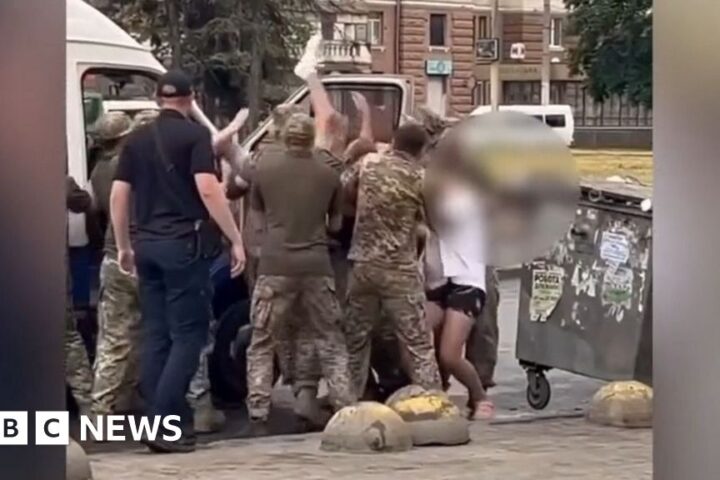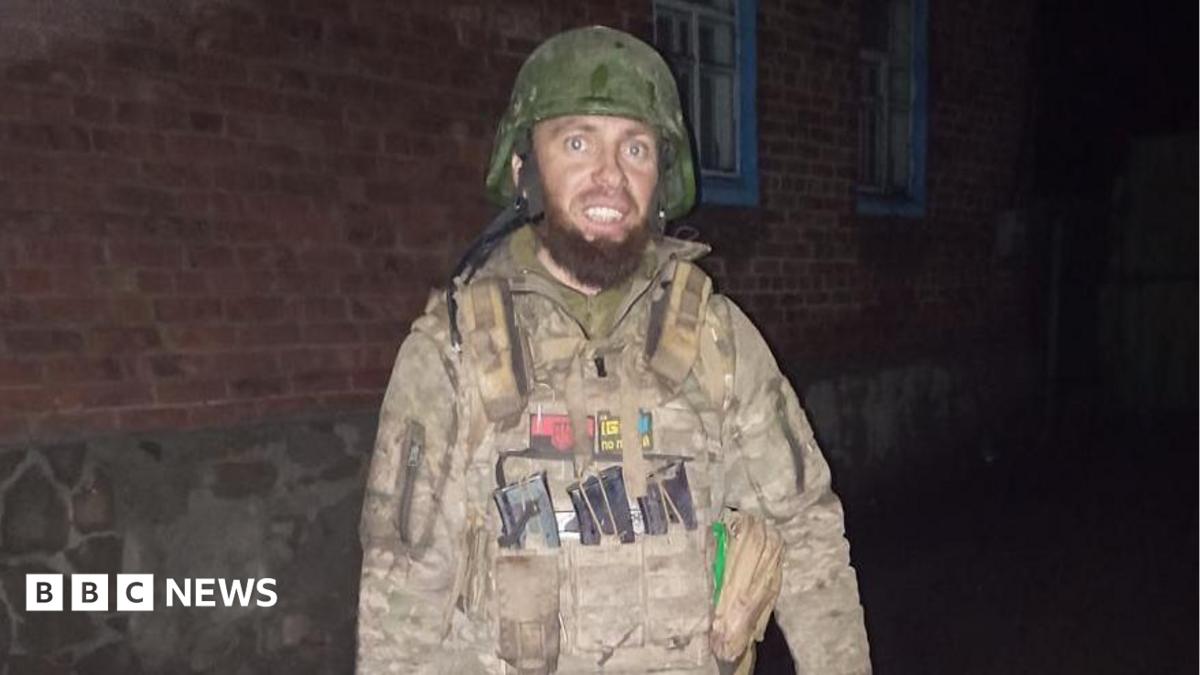
Recruitment in Ukraine has become a flashpoint in some communities, police say, as efforts to sign up soldiers meet rising hostility. “Everyone’s afraid to die,” a local told reporters, capturing a widespread fear that officials say is feeding aggression toward recruitment officers.
Recruitment in Ukraine: attacks on officers
Police and media reports describe a series of incidents targeting people working at recruitment centres. Those working for military enlistment offices have faced verbal threats, harassment outside buildings and, in some cases, physical assaults while travelling to or from work, law enforcement sources told journalists.
Authorities say the incidents are not isolated protests but a pattern that has intensified in recent weeks. Recruitment officers have reported being chased, shouted at and threatened with violence, prompting concern about the safety of staff who perform mandatory administrative duties connected to mobilisation.
Police reports and local reaction
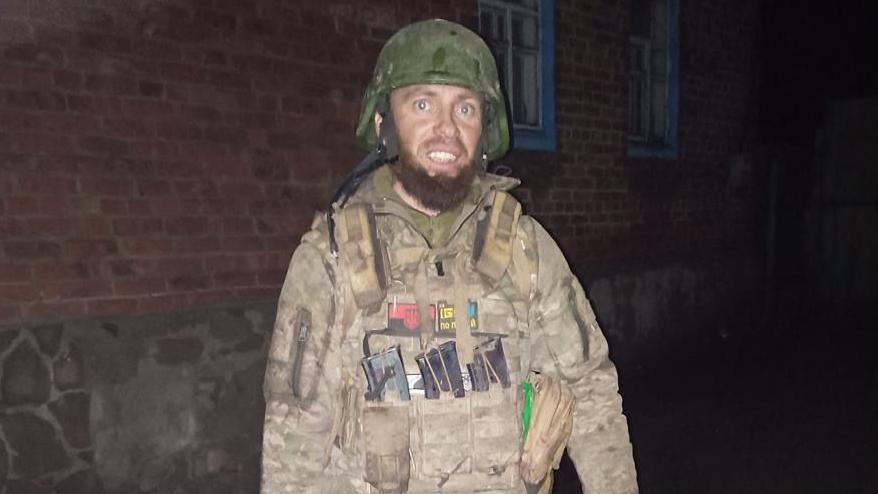
Local police departments have registered multiple complaints relating to harassment and intimidation of recruitment staff, according to statements attributed to law enforcement. Investigations are under way in areas where officers describe being followed, having windows broken, or being confronted outside recruitment centres.
Residents in towns near recruitment points described a mixture of anger, fear and helplessness. One resident quoted by international reporting said: “Everyone’s afraid to die.” Others spoke of families trying to hide documents or move relatives to other regions to avoid being called up.
Police officers have told commanders they are having to balance protecting staff and maintaining public order with continuing the routine administrative work of enlistment, the reports say. In several localities police said they had increased patrols around recruitment centres and begun formal inquiries into specific allegations of assault.
Why recruitment is failing now
Officials and observers point to several factors that are making recruitment more difficult. Repeated waves of mobilisation, high casualty figures reported in the media, and a pervasive fear of frontline service have all combined to raise public resistance to enlistment, authorities say.
Economic considerations also play a role: families reliant on a single income are wary of losing a breadwinner, and younger people weighing military service against unstable job prospects may choose evasion. Police reports suggest that some eligible people are deliberately avoiding contact with recruitment offices or are obstructing staff in an effort to delay or prevent mobilisation.
Analysts quoted in international reporting suggest the violence and intimidation may be driven by a mix of war weariness and mistrust in the institutions organising mobilisation. Those experts say the visible targeting of recruitment officers can amplify public fear and create a feedback loop that further discourages voluntary cooperation with enlistment authorities.
Impact on communities and security
The reported threats and attacks are affecting daily life in neighbourhoods near recruitment centres. Some offices have reduced public hours or limited in-person services because staff feel unsafe, police say. That, in turn, has caused delays in processing paperwork for exemptions, deferments and other administrative matters.
Residents report a heavier security presence around some centres and increased anxiety during times when recruits are expected to present themselves. School and workplace conversations have shifted as families weigh the risks of sending relatives to service against the consequences of evasion.
Authorities warn that sustained hostility toward recruitment officers could weaken the broader system that supports mobilisation and military readiness. Police have emphasised that protecting staff and preserving public safety are priorities as they respond to the recent series of complaints.
What comes next
Officials are expected to pursue a range of short-term measures to protect recruitment officers and reassure communities. Police sources say increased patrols, tighter security at enlistment centres, and procedural changes to reduce confrontations are likely to be rolled out where incidents have been reported.
Investigations into alleged assaults and threats remain under way, and police say charges could follow where evidence supports prosecution. In addition to law enforcement steps, authorities may consider communications efforts to address public fears and to explain the legal and administrative aspects of recruitment to reduce misunderstandings that sometimes spark confrontations.
Longer-term solutions will depend on whether the government can restore confidence among prospective recruits and their families. Analysts suggest that transparent information about enlistment procedures, coupled with social and economic support for affected households, could ease some of the pressure that has led to violent incidents.
Local voices and officials emphasise the human dimension behind the reported aggression. As one resident told reporters, the fear felt by many people is visceral: “Everyone’s afraid to die.” That sentiment, when widespread, can transform administrative processes into flashpoints for unrest.
Police provided the accounts of aggression and threats to journalists; those claims are reported here as attributed to law enforcement. For further details and the original reporting, see the BBC News – World article linked below.
Source: BBC News – World: https://www.bbc.co.uk/news/articles/cr7k5ngde3vo?at_medium=RSS&at_campaign=rss