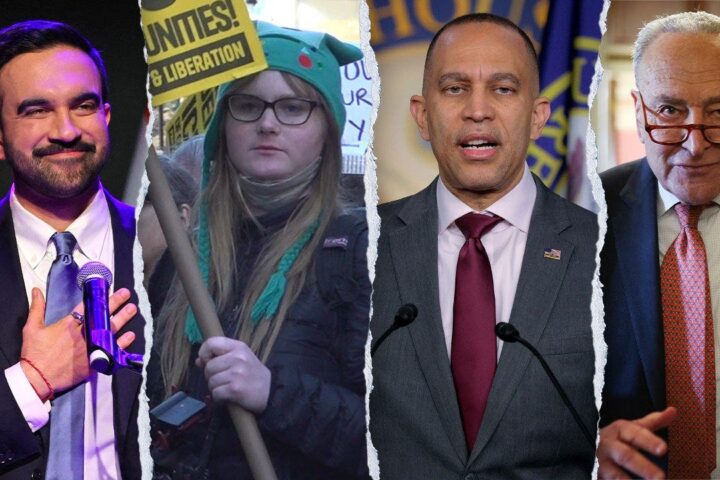
“Happy Somali Independence Day,” Minneapolis Mayor Jacob Frey wrote on X as he shared video remarks in which he told members of the city’s Somali community, “In Minneapolis, we do not see you as immigrants. We see you as our family.” The post and the video quote framed his weekend remarks as a public show of solidarity at a moment of intense scrutiny over fraud investigations in Minnesota.
Frey’s message came just after the Republican-led House Oversight Committee released a report alleging the state missed repeated warnings about widespread fraud in social services programs — a development that has put local community relations under the microscope.
What Jacob Frey said and why it mattered
Frey’s short X post and longer remarks at a Somali Independence Day event emphasized community resilience and belonging. He told attendees, “You are our brothers. You’re our sisters. You have done so much for this incredible city, and for that, we stand with you.”
At the event he also referenced enforcement activity, saying, “Through the most difficult of times and through Operation Metro surge, we all saw that they tried to come for some of us. And when that happens, we say that you’re coming for all of us.” Those comments reflect efforts by city leaders to reassure immigrant communities while broader investigations continue.
What the House Oversight report alleges
The House Oversight Committee’s report contends the Walz administration “failed to act” on repeated warnings about alleged fraud in state social services programs. The committee said more than 110 people have been charged in connection with various schemes and estimated roughly $300 million in federal child nutrition funds were lost during the COVID-19 pandemic. The report ties multiple investigations and prosecutions to broader concerns about oversight and program controls in Minnesota.
State response and disputed findings
Officials in Governor Tim Walz’s administration have disputed the Oversight Committee’s conclusions, saying the claims mischaracterize the state’s actions and timeline. State spokespeople pushed back on the suggestion that warnings were ignored and said the committee’s presentation omitted relevant context about when and how state agencies acted.
Readers can review the committee’s materials on the House Oversight Committee website and the Walz administration’s statements on the governor’s official site: House Oversight Committee and Walz administration press releases.
Law enforcement claims and Operation Metro Surge
Federal and national figures have framed enforcement efforts differently. Former U.S. Immigration and Customs Enforcement official Tom Homan, who has discussed Operation Metro Surge publicly, has said the initiative produced more than 4,000 arrests in the Minneapolis–St. Paul area and argued it reduced public safety threats.
Those figures and the operation’s impact are debated. Supporters point to arrest totals as evidence of enforcement activity tied to immigration and public safety priorities; critics highlight community harms and argue investigations should focus on evidence-based targeting rather than broad enforcement tactics.
Community impact and local context
Minneapolis is home to one of the largest Somali communities in the United States. Local leaders and residents note that Somali immigrants and their descendants have contributed culturally and economically to the city for decades.
The committee’s report and related investigations highlight cases tied to programs such as Feeding Our Future and other nutrition assistance efforts. Those investigations, and the way they are discussed in political forums, have heightened concern among community members about profiling, stigma and the broader effects of enforcement on trust in public programs.
Community groups and some city officials emphasize caution when discussing allegations that identify community members, noting the sensitivity of tying ethnic or immigrant status to criminal cases and the need to avoid sweeping generalizations.
What comes next
The Oversight Committee’s report is likely to prompt follow-up actions, including requests for additional documents, testimony, or hearings. Prosecutors and investigators already pursuing cases tied to alleged fraud will continue their work; legal processes for charged individuals will proceed in courts.
At the state and local level, observers expect continued scrutiny of oversight practices and possible policy responses to strengthen program controls. City leaders and community organizations may step up outreach to reassure residents and address concerns about enforcement and access to services.
Source attribution
This article draws on the House Oversight Committee materials and public statements from the Walz administration, along with original reporting on the mayor’s remarks. See the House Oversight Committee website (oversight.house.gov), the Walz administration press releases (mn.gov/governor/news), and original coverage of the mayor’s remarks and the report by Fox News (Fox News).
Frequently asked questions
What did Jacob Frey say about the Somali community?
The mayor posted “Happy Somali Independence Day” on X and said, “In Minneapolis, we do not see you as immigrants. We see you as our family,” stressing solidarity and gratitude for the community’s contributions.
What does the House Oversight Committee report allege?
The Republican-led committee alleges the Walz administration failed to act on warnings about fraud in state social services programs, says more than 110 people have been charged, and estimates roughly $300 million in federal child nutrition funds were misused.
How has the Walz administration responded to the report?
Walz administration officials have disputed the committee’s findings, arguing the report mischaracterizes state actions and timelines and that the committee omitted relevant context about state responses.