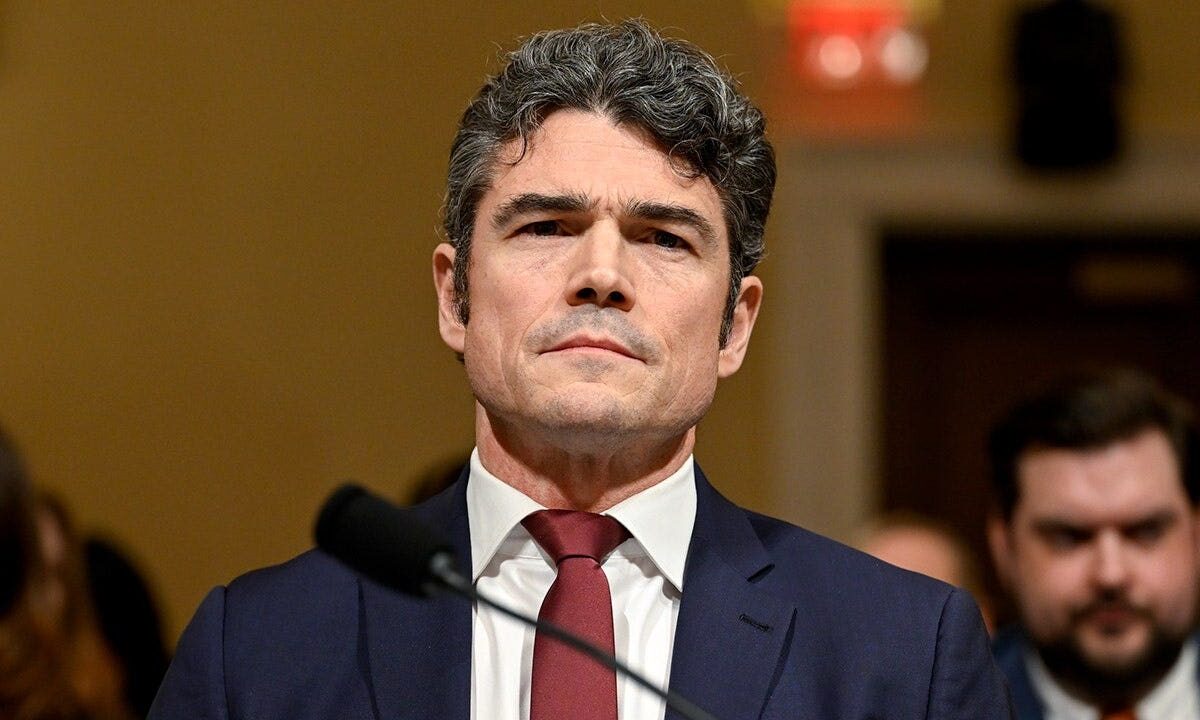
“Get our troops out now before we suffer a mass casualty attack,” former National Counterterrorism Center Director Joe Kent wrote on X, pressing for an immediate U.S. military withdrawal from the Middle East. His renewed call came as U.S. Central Command (CENTCOM) issued statements confirming separate incidents that left multiple U.S. service members dead or unaccounted for on July 17–18.
What Joe Kent is saying
Kent’s public posts and statements lay out a stark, urgent case: he argues that America’s forward presence in the region invites attacks and that an immediate withdrawal would reduce the risk of further U.S. casualties. He framed the demand as both a moral imperative to protect service members and a strategic move to regain bargaining leverage at home.
In his messages Kent spelled out a political argument: ending forward deployments, he says, would remove convenient targets for Iran-linked forces and reduce the daily friction that produces attacks. He calls for near-term withdrawal paired with diplomatic efforts and conditional sanctions relief — a package he portrays as preferable to continued exposure and escalation.
CENTCOM casualty reports and timeline
CENTCOM issued public statements describing two separate incidents on July 17 and July 18. According to the command, two U.S. service members were reported killed and a third was initially listed as missing after an attack in Jordan on July 17; later reporting says remains were recovered and remain under forensic examination. CENTCOM separately reported that a U.S. service member in northern Iraq was killed in action July 18 during a controlled detonation of unexploded ordnance from a downed one-way attack drone, and that another service member sustained a minor wound and remains under treatment.
For CENTCOM’s public messaging and official wording on those events, see the command’s press and news releases (CENTCOM statement). News outlets and reporters, including Fox News Digital, cited CENTCOM’s statements while reporting the casualty timeline.
Kent’s resignation and policy rationale
Kent resigned from his NCTC post earlier this year, saying he could not support policy choices he believed risked escalation with Iran. In his resignation letter and subsequent posts he argued that “Iran posed no imminent threat to our nation,” a normative–and contested–assessment he used to justify discontinuing current policy paths.
As a policy package, Kent promotes rapid withdrawal from forward U.S. bases and a shift to diplomacy backed by conditional sanctions relief aimed at securing guarantees on freedom of navigation and local de-escalation measures. He characterizes existing basing and naval footprints as “liabilities & relics of the past,” a strategic judgment about risk and signaling rather than an uncontested empirical fact.
Policy debate: risks, claims and counterarguments
Kent’s recommendations rest on several linked assertions: that U.S. bases materially increase the risk to personnel; that removing those forces will reduce immediate targeting incentives; and that sanctions relief can be traded credibly for durable guarantees. Those are policy positions and strategic judgments, not settled facts; they require assumptions about adversary calculus, alliance behavior and the effectiveness of diplomacy.
Critics counter that withdrawal could create security vacuums that Iran or allied militias might exploit, diminish U.S. influence with partners, and complicate intelligence collection and rapid crisis response. Forward forces, opponents say, deter aggression, reassure allies, and help secure sea lanes; pulling back could raise the chances of instability or invite greater regional assertiveness.
Analysts emphasize trade-offs: withdrawal may lower short-term exposure for troops but can also reduce options for crisis containment, evacuation and humanitarian assistance. Whether Kent’s plan reduces long-term risk depends on the sequencing, allied coordination, and concrete diplomatic returns — all uncertain variables in a volatile environment.
Evidence, verification and limits
Kent’s core assertions about causation and the immediate safety benefit of withdrawal are policy interpretations based on his experience. They should be treated as opinionated strategic prescriptions. Independent verification of every downstream effect Kent predicts — for example, that Iran would immediately halt attacks in exchange for sanctions relief — is not available and would depend on diplomatic bargaining outcomes.
Reporting on the July incidents has relied on CENTCOM’s official statements for casualty counts and timelines; Fox News Digital covered Kent’s posts and the command’s releases. Where possible, readers should consult the original CENTCOM notices for the latest verification and forensic updates.
What comes next and official responses
Fox News Digital reported it reached out to the White House after Kent’s posts. CENTCOM continues to update investigators’ findings and status-of-remains examinations, and additional Pentagon or White House statements could follow as inquiries continue. In the near term, watch for any formal Defense Department confirmation of CENTCOM’s initial descriptions, congressional questioning, and allied consultations that could shape posture decisions.
If policymakers consider significant posture changes, the process would likely include interagency review, briefings to congressional defense committees, and diplomatic outreach to regional partners and NATO allies. Any tangible shift consistent with Kent’s proposal would take time to plan and would require mitigation strategies to preserve key functions such as intelligence collection and maritime security.
Background
Joe Kent is a former director-level official at the National Counterterrorism Center who resigned earlier this year and has since become a vocal critic of current U.S. policy toward Iran and the use of forward-deployed forces in the Middle East. His interventions occur amid episodic Iran-linked attacks on facilities and shipping and an ongoing policy debate in Washington over deterrence, risk management and the proper balance between presence and restraint.
FAQ
Who is Joe Kent?
Joe Kent is the former director of the National Counterterrorism Center who resigned his government role earlier this year and has advocated publicly for withdrawing U.S. forces from the Middle East.
What did CENTCOM report about the casualties?
CENTCOM reported two U.S. service members were killed and one was initially listed as missing after an attack in Jordan on July 17; remains were later recovered and are under examination. Separately, CENTCOM said a U.S. service member was killed in northern Iraq on July 18 during a controlled detonation of unexploded ordnance from a downed one-way attack drone, and another service member was wounded. See CENTCOM’s press releases for the command’s full statements.
Is Kent’s claim that the U.S. started the war independently verified?
Kent’s assertion that U.S. policy was driven by outside political pressure is an allegation he made in his resignation letter and public posts. That characterization reflects Kent’s perspective and is not independently verified in the public record; it should be treated as his policy judgment rather than an established fact.
Source attribution: This article is based on CENTCOM statements and reporting by Fox News Digital. CENTCOM’s public statements supply the casualty timeline and forensic status; Fox News Digital reported on Joe Kent’s posts and the command’s releases. Readers should consult CENTCOM’s official notices for the latest verification.
What to watch next: additional CENTCOM updates on the July 17–18 incidents, any formal Defense Department or White House response, congressional inquiries, and whether Kent’s public campaign influences debate among policymakers or within Republican and defense-policy circles.