The Protect College Sports Act is drawing renewed attention from athletes who say the bill could shrink their legal rights and reduce institutional accountability. Reporting by Outkick (Fox News) that the U.S. Olympic & Paralympic Committee emailed athletes asking them to support the Protect College Sports Act helped make the debate more urgent for competitors who fear losing independent remedies and clear eligibility rules.
This explainer centers the athlete perspective: who can enforce rules, who decides eligibility, and where survivors of abuse can turn for redress. The piece flags allegations, cites reporting, and avoids legal conclusions about what a final bill would do.
What is the Protect College Sports Act?
The Protect College Sports Act (PCSA) is a congressional proposal that supporters say would create a new legal structure for college athletics and allow institutions to coordinate on media rights and competitive rules. Opponents characterize it as a move toward a federal antitrust exemption for the NCAA and its members.
Key, documented development: reporting by Outkick (Fox News) said the U.S. Olympic & Paralympic Committee emailed athletes asking them to support the PCSA; that report is the basis for the USOPC reference used here (see Sources).
How the Protect College Sports Act could affect athlete rights and Title IX
From an athlete view, the practical stakes are straightforward: access to courts, impartial oversight of misconduct and clarity on who may compete.
- Limits on private lawsuits (allegation): Critics say the PCSA could narrow courts’ ability to hear claims against the NCAA by moving disputes into internal dispute-resolution or private arbitration frameworks. That characterization depends on statutory text and would vary with any amendments.
- Title IX enforcement (reported context): Advocates point to reporting that more than 260 open Title IX investigations involve colleges and universities; they warn that insulating schools through a collective structure could weaken external enforcement. The number of open investigations is drawn from public reporting and government records (see Sources) and is cited here as context for the oversight concern.
- Compliance risk (contingent): Opponents argue the legislation could enable some schools to benefit from collective rights while evading full compliance with federal or state protections; whether that happens would turn on bill language and oversight mechanisms Congress includes.
Past cases athletes cite
Athletes and advocates point to prior failures of oversight and to arbitration outcomes they saw as unsatisfactory. These examples are raised as patterns to consider, not as definitive legal proof that similar outcomes would follow from the PCSA.
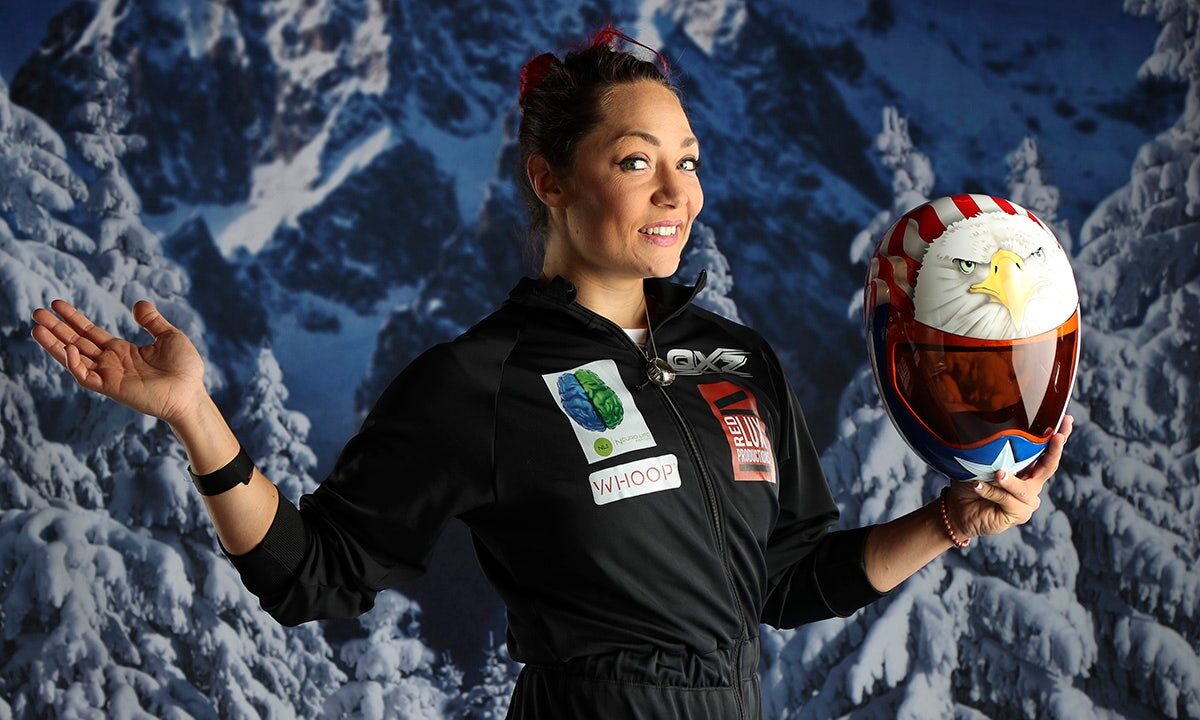
- Katie Uhlaender: The five-time Olympian has criticized arbitration and governance outcomes in commentary cited by Outkick; her experience is used by athletes to illustrate concerns about private dispute processes (reported by Outkick).
- Larry Nassar: Survivors and advocates invoke the Nassar case to show how institutional failures to act can leave athletes without timely protections; that scandal prompted legislative and administrative reforms because of widespread institutional breakdowns.
- International governance examples: Independent tribunals have found manipulation of qualification processes in international sport, which critics use to illustrate how complex internal decision-making can harm individual athletes’ chances and timelines for review.
Eligibility, DSD and gender-policy concerns
Eligibility rules are a flashpoint. Critics worry a centralized eligibility framework could resolve sensitive sex- and gender-related determinations without standard external review.
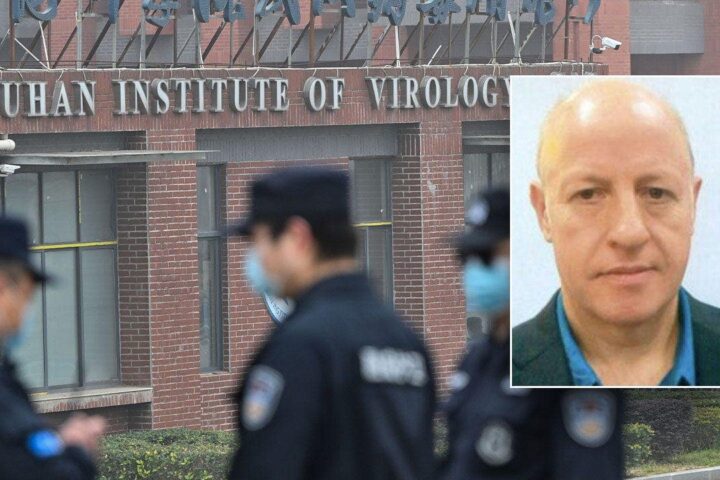
Specific claims in coverage are sensitive and should be read as reported allegations unless corroborated by primary medical or legal records. For example, some reporting describes Imane Khelif as having XY chromosomes; that biological characterization is presented here only as an allegation drawn from published coverage (see Sources) and not as an independently verified medical fact.
Other relevant facts that shape the debate: the NCAA currently frames participation policies around gender identity in many cases and often accepts documentation such as amended birth certificates; advocates note that 44 states allow birth-certificate amendments, which complicates how organizations verify historical sex-designation data. These points influence arguments about verification standards, competitive fairness and whether strong external safeguards are needed.
What comes next for the bill and the NCAA
Congressional steps commonly include committee hearings, stakeholder testimony and amendments that can narrow or expand protections. If lawmakers consider an antitrust exemption, they can also attach conditions — for example, independent oversight of Title IX compliance or preserved private rights to sue. One policy element under discussion in public reporting is whether collective media rights could be consolidated for member schools, which would centralize revenue control for institutions that join the program.
Athletes and advocates who oppose the PCSA generally call on Congress to:
- Keep or clarify private enforcement options so survivors and athletes retain access to courts.
- Require independent Title IX oversight as a condition of any statutory protection for schools.
- Insist on transparent, evidence-based eligibility criteria developed with athlete input and medical expertise.
Key takeaways for athletes
- Read the statutory text closely: practical effects hinge on definitions of liability, dispute resolution and enforcement exceptions.
- Watch Title IX oversight activity: publicly reported investigations are central to arguments about institutional trustworthiness.
- Demand clear eligibility rules and transparent verification standards so changes do not reduce competitive fairness for women or for athletes with differences of sex development (DSD).
FAQ
What is the Protect College Sports Act and who supports it?
The Protect College Sports Act is a proposed federal law that would change how college athletics are governed and how some legal disputes are handled. Support has come from some university leaders and sports organizations; opponents include athletes and advocates who worry it would grant the NCAA broader legal protections. Reporting about a USOPC email asking athletes to support the bill appears in Outkick (see Sources).
How would the PCSA affect Title IX and athlete lawsuits?
Critics say the PCSA could limit athletes’ private right to challenge the NCAA and that it could reduce external enforcement of Title IX, potentially affecting the more than 260 open Title IX investigations reported in public records and press coverage. Supporters argue it could stabilize operations; the exact legal effects depend on bill language and congressional amendments.
Could the PCSA change eligibility rules for women and DSD cases?
The bill could shift authority over eligibility to a centralized framework. That raises concerns about how DSD and sex-/gender-related eligibility determinations are handled. Sensitive biological claims should be treated as reported allegations unless independently verified; fairness and transparency are the central policy questions.
Sources and further reading
This piece relies on reporting and public records. Key sources:
- Outkick / Fox News: reporting on athlete reaction and the USOPC email (original reporting): https://www.foxnews.com/outkick-sports/katie-uhlaender-athletes-risk-paying-the-price-protect-college-sports-act-passed
- U.S. Olympic & Paralympic Committee website (for organization statements and contact): https://www.teamusa.org/
- Congress.gov search for the Protect College Sports Act and related bill texts: Congress.gov search
- U.S. Department of Education Office for Civil Rights (OCR) public information on Title IX investigations and compliance (for context on ongoing investigations): U.S. Department of Education, OCR
- NCAA (organization site for eligibility and policy materials): https://www.ncaa.org/
Note on tone and uncertainty: where the article reports allegations (for example, biological characterizations or the USOPC email) those statements are labeled and sourced; policy outcomes of any enacted law are speculative until Congress agrees on final statutory language and oversight mechanisms. Athletes and lawmakers can press for explicit safeguards before any liability protections or exemptions take effect.
Next steps: Congress can require clearer safeguards, retain private enforcement options, and solicit athlete input before granting any federal antitrust exemption.