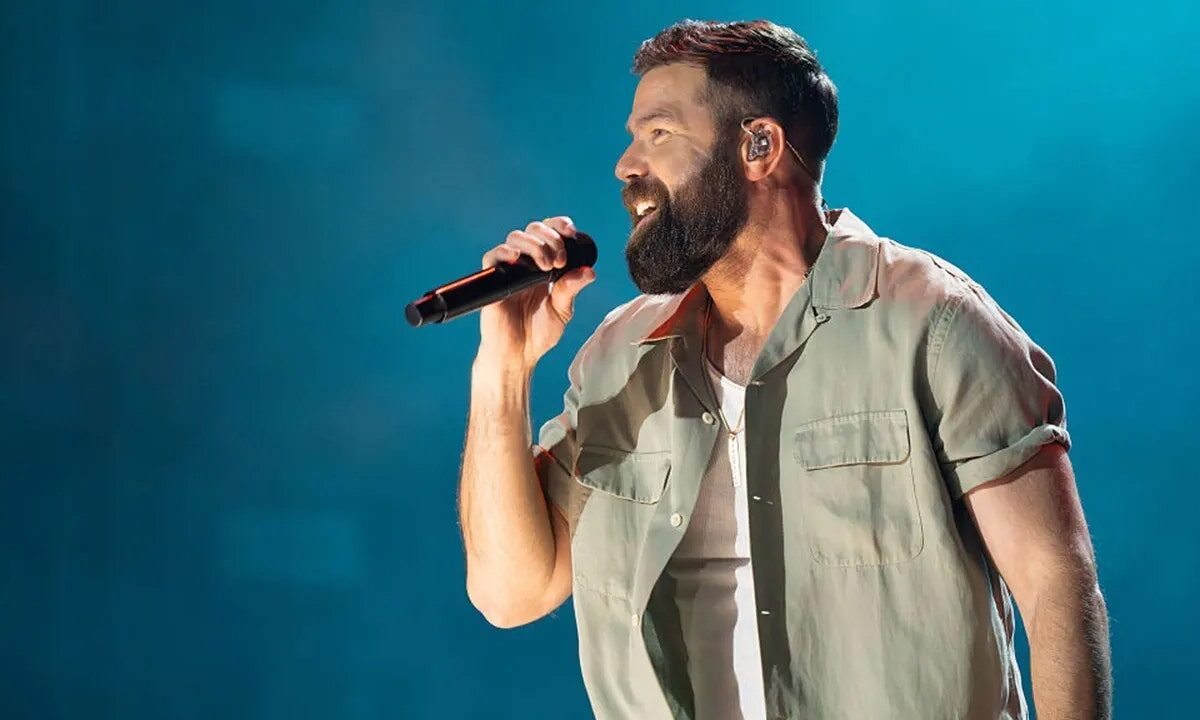
Jordan Davis axis deer hunt photos posted to Instagram prompted a swift and divided reaction online. Davis described the trip as an “absolute bucket list” experience and shared images of a harvested axis deer and companions; some followers congratulated him, while others called the images “horrifying,” “disappointing” or “unnecessary.” The post reopened a public conversation about how hunting is presented on social media and the complex conservation context for axis deer in Hawaii.
Jordan Davis axis deer hunt post
Davis’s Instagram post included multiple photos from the trip and a caption indicating it was a long-awaited hunt. Immediate responses ranged from praise for the achievement to sharp criticism for sharing images of a dead animal. Several commenters said they do not object to regulated hunting in principle but found the public display upsetting; others raised questions about whether posting such images is appropriate for a widely followed public figure.
Axis deer and the Hawaii problem
Axis deer (Axis axis), a species native to South Asia, were brought to Hawaii in the 19th century and now occur on islands including Maui, Lānaʻi and Molokaʻi. In Hawaii the animals have few natural predators and can reproduce year-round, which has allowed populations to grow rapidly in some areas, according to the Hawaii Department of Land and Natural Resources (DLNR) and regional conservation groups (DLNR, Maui Invasive Species Committee).
State wildlife officials and conservation organizations say axis deer contribute to ecological and economic harms on affected islands: the animals browse native vegetation, damage crops and pasture, and can accelerate soil erosion on steep terrain. Those impacts are documented in local management materials and discussed in outreach from groups working on island restoration (DLNR, The Nature Conservancy in Hawaiʻi).
Why fans pushed back
The intensity of reaction to Davis’s post illustrates a broader cultural split over hunting imagery on social platforms. For many viewers the immediate issue is the emotional impact of seeing a dead animal in a personal feed; words or context can be lost in a single photo and brief caption. Comments describing the images as “horrifying” or “unnecessary” were visible in replies published by news outlets covering the post, reflecting how celebrity posts can reach audiences with differing expectations and sensitivities.
Some critics said they were unsettled even if they accept hunting as a management tool; others objected to the celebratory tone they perceived in the caption. Supporters who defended the post often emphasized that the meat is used and that hunting, when regulated, is a recognized control strategy for invasive ungulates in Hawaii.
How hunting fits into management
Wildlife managers and conservationists in Hawaii identify regulated hunting as one of the practical tools for reducing axis deer numbers where they threaten native ecosystems, agriculture or property. The DLNR and partner organizations describe hunting, trapping and targeted culling as parts of integrated management plans that also include population monitoring and landowner coordination (DLNR).
Proponents note that harvested axis deer are commonly used for venison, and that organized hunting—when paired with monitoring—can reduce browse pressure on sensitive habitats and relieve economic damage to farms. Conservation groups emphasize, however, that hunting alone is not a cure: sustained efforts across land management, fencing, and community engagement are usually required to protect vulnerable native plant and bird communities (Maui Invasive Species Committee, The Nature Conservancy).
Expert context and perspectives
Regional conservation organizations stress that invasive ungulates are one of several threats to Hawaii’s native ecosystems. For example, local restoration practitioners have documented how repeated grazing can alter plant community composition and increase vulnerability to erosion on slopes already stressed by development or storms. Those observations are reflected in management guidance from state and local agencies (DLNR, MISC).
Wildlife officials typically advocate for regulated, science-informed approaches that combine hunting with monitoring and community partnerships. In public materials, agencies encourage hunters and the public to report sightings, follow posted regulations, and engage with land managers when deer are causing damage. Conservation groups have also urged sensitivity from public figures when sharing hunting images so that local management needs are not overshadowed by public controversy.
What this means next
There are no widely reported legal or regulatory actions tied to Davis’s Instagram post. Reporting to date centers on fan reaction and the broader debate over hunting imagery rather than on enforcement. The likely short-term outcome is continued public discussion among fans, journalists and conservation stakeholders about how hunting is framed on social media.
From a management perspective, officials will continue routine work: monitoring axis deer populations, coordinating access for authorized hunters where appropriate, and working with landowners to reduce agricultural damage. Conservation groups are expected to continue outreach explaining the ecological rationale for control programs and encouraging support for integrated management measures. For readers who want to follow official information or report concerns, the Hawaii Department of Land and Natural Resources is the primary state agency overseeing wildlife and invasive-species issues (DLNR).
FAQ
What is an axis deer and why does it matter in Hawaii?
Axis deer are a nonnative, spotted deer species introduced to Hawaii in the 19th century. Because they have few predators on some islands and can breed year-round, populations have grown and caused measurable impacts to native vegetation, agriculture and soil stability, according to state and regional conservation materials (DLNR, MISC).
Is hunting axis deer legal and a conservation tool in Hawaii?
Yes. Regulated hunting is one of the tools used by wildlife managers to reduce axis deer numbers in areas where they cause ecological or economic harm. Agencies and partners frame hunting as part of broader management programs that include monitoring and habitat protection (DLNR).
Why did fans react strongly to Jordan Davis photos?
Reactions reflected differing audience expectations on social media: some people are sensitive to graphic animal imagery, others object to publicizing hunts, and public figures’ posts often reach people who are not part of hunting communities. Brief captions can be interpreted as celebratory and amplify backlash even when hunters emphasize conservation or meat use in other communications.
Sources and attribution
This article summarizes news coverage of the Instagram post and contextual information from wildlife officials and conservation groups. Key sources consulted include reporting on the post and background materials from Hawaii state agencies and island conservation organizations:
- Fox News / Outkick coverage of Jordan Davis’s post
- Hawaii Department of Land and Natural Resources (DLNR) – state wildlife and invasive-species materials
- Maui Invasive Species Committee (MISC) – regional invasive-species work and outreach
- The Nature Conservancy in Hawaiʻi – conservation context and restoration work
If readers have immediate concerns about wildlife or agricultural damage, DLNR provides contact information and guidance for reporting wildlife issues on its website.