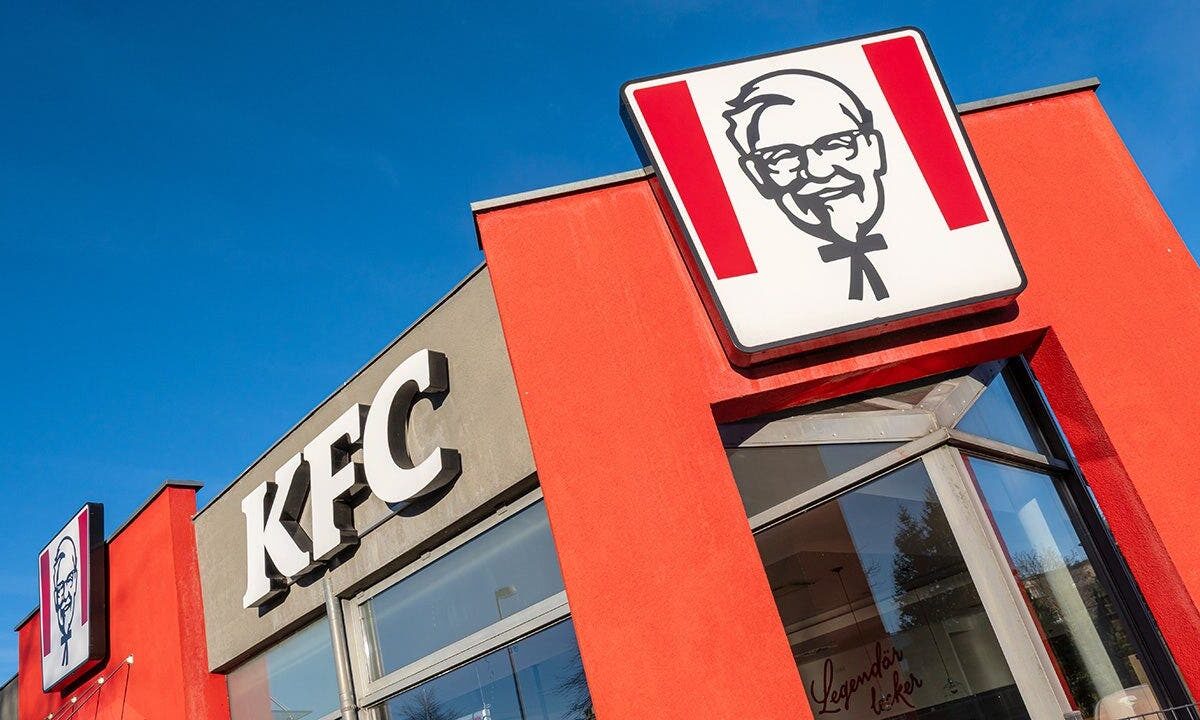
The KFC name change happened in 1991 as a deliberate marketing and corporate decision, not because the company was legally forced to abandon the words “Kentucky Fried Chicken.” Shortening the name helped the chain shrink a long title for advertising, respond to slipping sales and soften an association with the word “fried” that executives saw as a liability.
Quick answer: the KFC name change
The KFC name change — shortening Kentucky Fried Chicken to KFC — was announced in 1991 during a period of softer sales and changing dining habits. Company statements and contemporaneous reporting show the move was part of a broader effort to modernize the brand, make it easier to use in ads and appeal to younger customers uncomfortable with the word “fried.”
Why KFC shortened its name
The decision was driven by brand and business concerns. By the early 1990s KFC was grappling with declining earnings, higher prices and shifting consumer tastes. The Lexington Herald-Leader cited company executives who saw the word “fried” as an image problem that could hinder growth.
Executives wanted a cleaner, more compact identity that would fit better in advertising and translate abroad. Food historian Ken Albala noted this change aligned with an era when many companies simplified names and visual identities to feel more contemporary and to save ad space. The strategy was practical: shorter names are easier to build into campaigns and to display on signage and packaging across markets.
The myths that won’t die
Two urban legends have persisted. One claims the Commonwealth of Kentucky trademarked the word “Kentucky” and forced the chain to pay licensing fees or stop using the full name. The other alleges KFC was breeding genetically altered birds so it could no longer call its product “chicken.”
Reporting and court records do not support those claims. The trademark story has no documented legal basis. The mutant-chicken rumor was widely debunked, and defamatory versions of the claim led to court actions in China. Reuters reported in 2016 that lawsuits and fines resulted from false online claims about KFC China — a legal response to misinformation, not evidence of secret breeding programs or state-enforced renaming.
In short, the persistent myths mix rumor with reaction to misinformation; available reporting points to deliberate brand choices and later attempts to correct false online narratives rather than any forced name change by government or secret corporate experiments.
Where the brand came from and how it evolved
KFC’s origins trace to Harland Sanders, who began serving his Southern‑style chicken from a roadside service station in the 1930s. The Sanders Court & Cafe in Corbin, Kentucky, later became a restaurant and motel where Sanders developed what became the Original Recipe.
Over decades the business tried different formats and menu items to meet changing tastes. In the early 1990s the chain tested lighter products marketed with names like “Lite’n Crispy” or “Skinfree Crispy,” reflecting broader industry moves toward perceived healthier options. Those menu experiments ran alongside the branding work that produced the KFC name change.
What KFC is doing now
Today KFC markets itself as a global quick‑service chain. Company materials and reporting note a presence in many countries and describe ongoing visual refreshes — from bucket designs to subtle updates of the Colonel’s image — intended to modernize the experience while preserving the Original Recipe that defines the brand.
The current overhaul is less about renaming than about balancing legacy and relevancy: retaining signature products while refreshing packaging, interiors and marketing to attract new customers and fit contemporary restaurant formats. The company has highlighted its continued global footprint as part of the brand story.
Why it matters for customers and the brand
Clearing up the reasons behind the KFC name change helps separate deliberate marketing strategy from misinformation. Myths can shape perception and obscure the practical business choices—pricing, menu innovation and marketing—that motivate corporate rebrands.
For customers the change meant little to the product itself: the Original Recipe and restaurants persisted. For the brand, shortening the name helped KFC adapt to advertising realities and shifting tastes, allowing it to present a streamlined identity in an evolving food market.
FAQ
Did Kentucky force KFC to change its name?
No. There is no credible evidence that the Commonwealth of Kentucky forced KFC to stop using “Kentucky” or that the state trademarked its name to extract fees. That idea is a persistent myth without supporting public records.
Was KFC breeding genetically modified chickens with extra legs?
No. The story about extra‑legged or genetically altered chickens is an urban legend. False claims prompted legal action in China; Reuters reported in 2016 on defamation cases tied to misleading posts about KFC China, underscoring that the claims were untrue and harmful.
When did KFC first use the KFC name and why then?
Kentucky Fried Chicken officially shortened its public name to KFC in 1991 to modernize the look, shorten copy for advertising and distance the chain from the negative connotation of the word “fried.” The shift was a branding decision linked to sales and image concerns at the time.
Takeaway
The 1991 KFC name change is best read as a practical branding move: a way to manage image, advertising and market shifts rather than the result of legal compulsion or bizarre corporate practices. Understanding that context helps people separate enduring marketing choices from the rumors that have grown up around them.
Source attribution: This explainer is based on reporting and company history from Fox News Digital (original story: https://www.foxnews.com/food-drink/why-kfc-stopped-calling-itself-kentucky-fried-chicken-myths-still-wont-die), the Reuters report on defamation cases in China (2016: https://www.reuters.com/article/us-yum-brands-china-lawsuit-idUSKCN0VC0BL/), and period reporting cited by the Lexington Herald-Leader (https://www.kentucky.com/lexgoeat/restaurants/article300577879.html?utm_source=chatgpt.com). Fox News Digital reached out to KFC for comment.