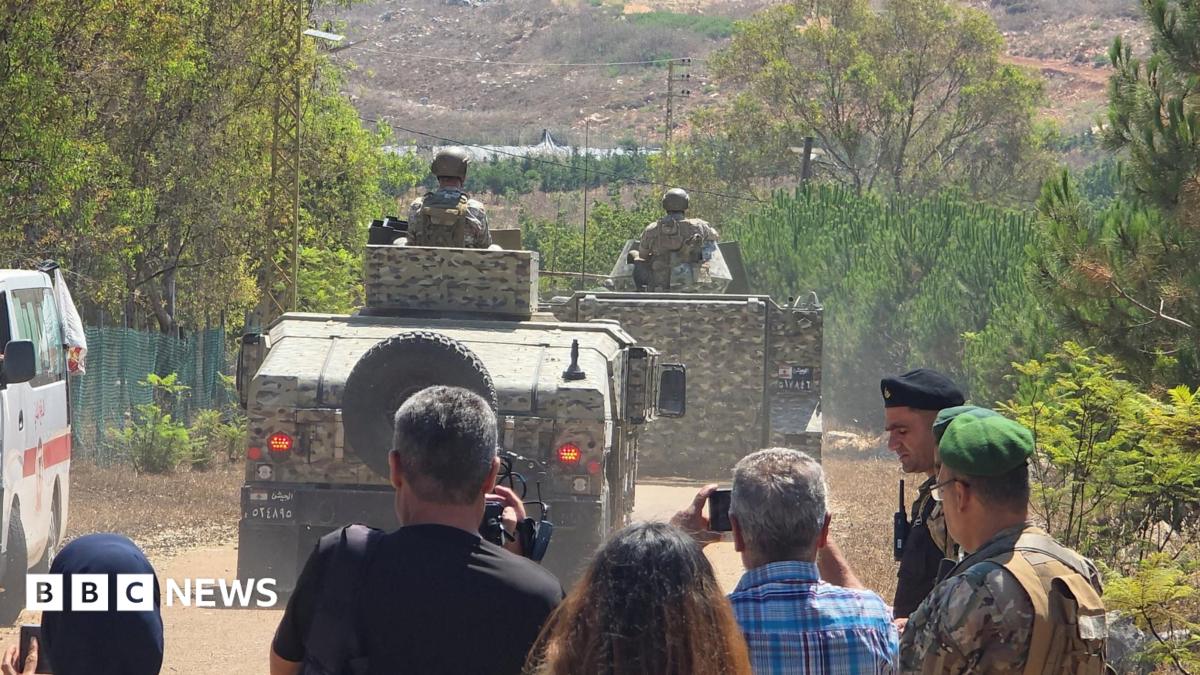
The Lebanese army deployment in a “pilot zone” comes after a US-brokered arrangement that, according to BBC reporting, would see Israeli forces pull back from a small portion of southern Lebanon occupied during the recent conflict with Hezbollah.
Lebanese army deployment in pilot zone
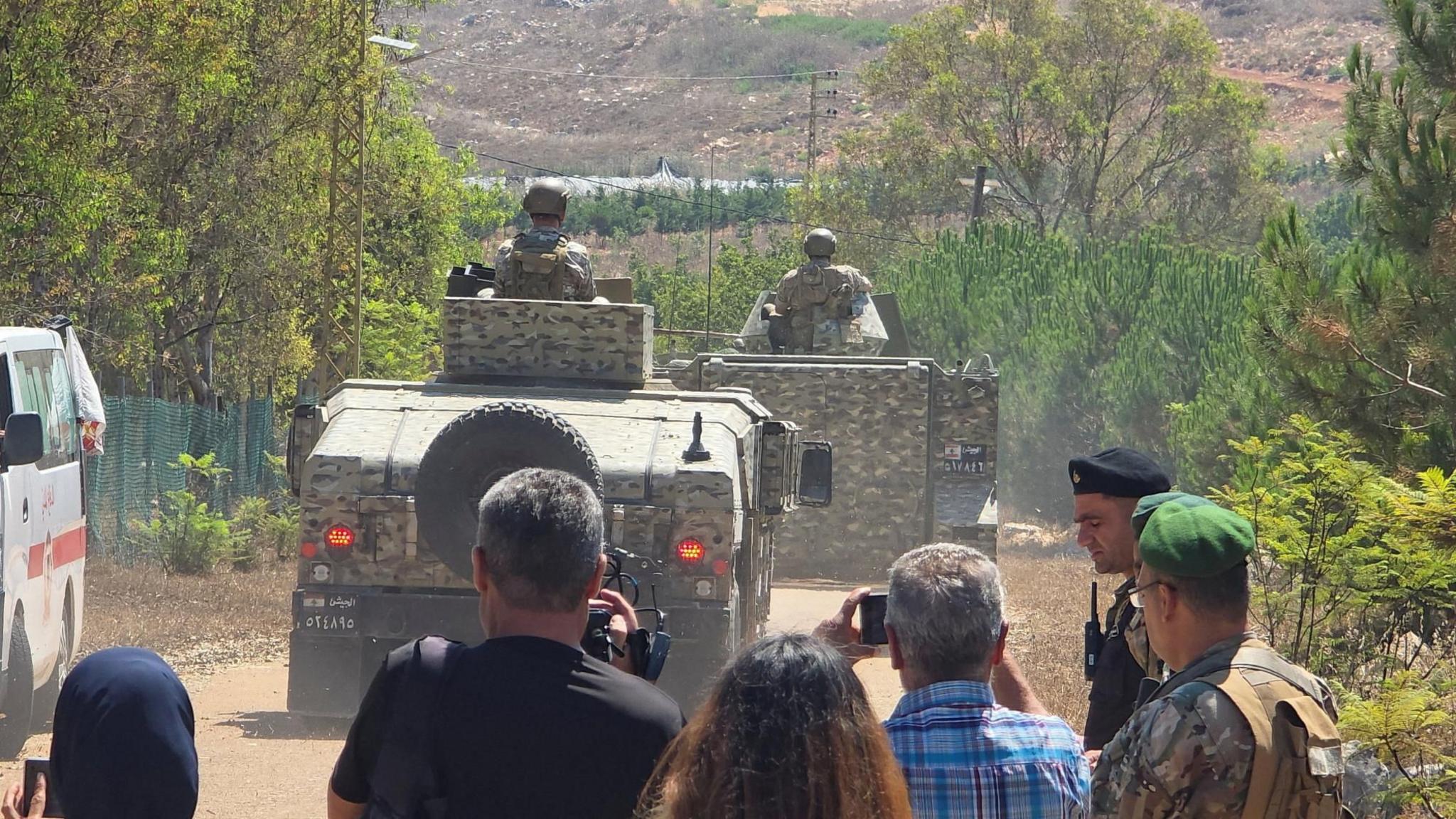
BBC reporting identified the core development: the Lebanese army says it will send forces into a so-called pilot zone after Israeli troops withdraw from part of Lebanon. The phrase “pilot zone” describes a limited area where the redeployment would be tested before any broader steps are taken.
Sources cited by the BBC include Lebanese military statements and international diplomatic accounts. The reporting frames the proposed move as the result of US-mediated discussions, but it emphasises that the withdrawal is described as an intended outcome of the agreement rather than a completed action.
What the US-brokered agreement says
According to the BBC, the US-brokered deal focuses on a narrowly defined sector of southern Lebanon. The plan, as reported, centres on a withdrawal from a small part of Lebanese territory, followed by a Lebanese army presence in the designated pilot zone.
The BBC notes that the publicly available details are limited. The agreement has been characterised in general terms in reporting and by officials: a pullback from a confined area rather than a large-scale border realignment. The exact boundaries, any formal text and a public timetable have not been published in full in the BBC account.
Security context and Hezbollah presence
BBC coverage places the pilot zone in the context of the recent conflict between Israeli forces and Hezbollah. The area in question was occupied during that fighting, and its recent history shapes both local security risks and political sensitivities about any change in control on the ground.
Hezbollah remains a central actor in southern Lebanon and in broader regional dynamics. The BBC report highlights that the presence of armed groups and the memory of recent hostilities complicate any transfer of authority to the Lebanese army, which itself faces operational and political constraints.
Reporters also note the way local communities may react if verification and communication are incomplete. The pilot zone approach is described as a deliberate, limited step meant to reduce the risk of immediate clashes by keeping the change confined and observable.
What comes next for troop deployment and verification
Major unknowns remain. The BBC and quoted military statements leave three central questions unanswered: when will Israeli forces actually leave the area; how will that withdrawal be independently verified; and what exactly will be the size and rules of engagement inside the pilot zone?
Possible verification methods, discussed in general terms in reporting and by analysts, could include international observers on the ground, third-party monitoring, satellite imagery analysis, or bilateral inspections coordinated by the parties involved. The BBC report does not confirm which of these, if any, will be used.
Lebanese military sources have said troops will deploy into the pilot zone, but the BBC makes clear that the timing and the operational procedures for confirming the Israeli withdrawal have not been detailed publicly. That leaves open scenarios ranging from a rapid, monitored replacement to a phased approach tied to specific verification steps, or delays if either side raises concerns.
Each potential path carries different security implications. A swift transition with clear, independent verification could reduce uncertainty and help calm tensions. By contrast, slow or contested implementation could increase the risk of local incidents or political friction that might hamper broader stabilization efforts.
Background and diplomatic context
The reported move follows international efforts, notably by the United States, to reduce immediate tensions after the conflict. Using a pilot zone reflects a diplomatic preference for limited, verifiable steps rather than sweeping changes, allowing all sides to assess whether the arrangements are functioning and to build confidence incrementally.
Diplomats and regional observers have, in related commentary, argued that carefully monitored, small-scale measures can be effective in lowering the risk of renewed clashes while longer-term arrangements are negotiated. The BBC report places the pilot zone within that cautious, step-by-step approach.
What to watch next
Key developments to monitor include an official timetable for withdrawal, statements from Israeli military or government sources confirming movement, and any announcement of independent observers or verification mechanisms. Satellite imagery or reporting from international monitors could play a role in confirming events on the ground.
For local populations, attention will also focus on whether security conditions inside and around the pilot zone improve and whether humanitarian access and civilian protections are maintained as forces reposition. The BBC report underscores that while the plan aims to limit risk, much depends on transparent verification and steady implementation.
Source: The BBC reported the initial account and cited Lebanese military statements and diplomatic sources. The BBC article notes limits to available information, especially on timing, exact boundaries and verification arrangements. For the original reporting, see the BBC link below.
BBC: Lebanese army says troops deploying in ‘pilot zone’ after Israeli withdrawal