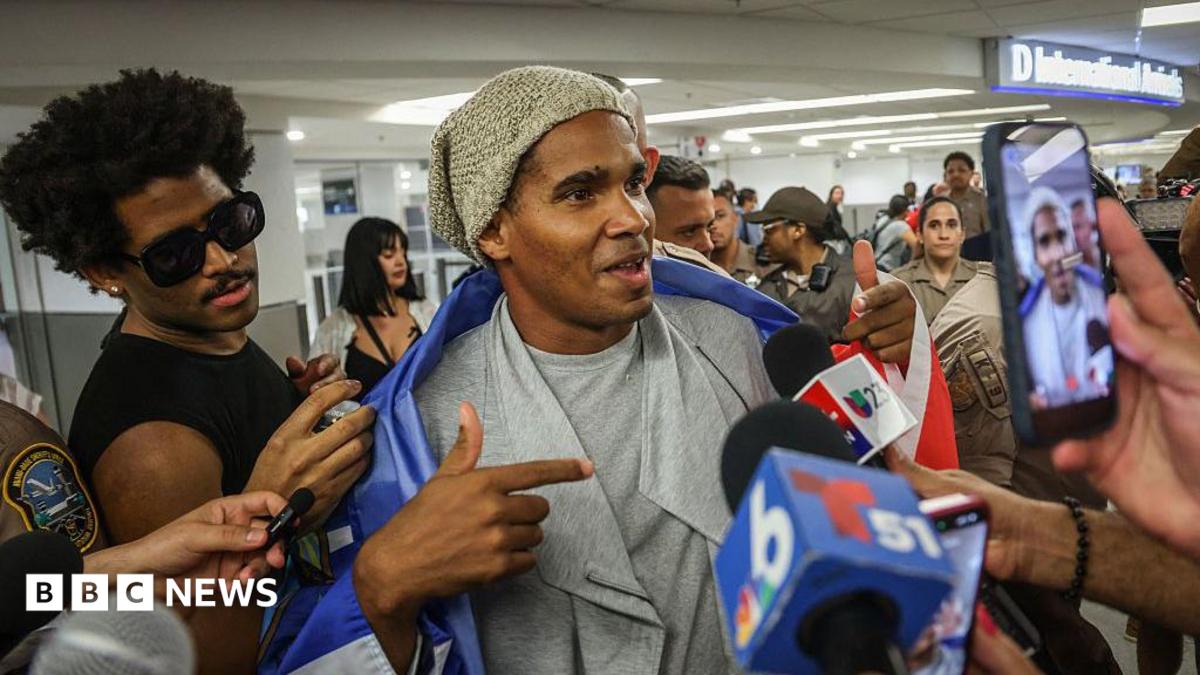
BBC News reports that Cuban artist and dissident Luis Manuel Otero Alcántara has left Cuba and gone into exile in the United States. Luis Manuel Otero Alcántara’s relocation, reported by the BBC, follows his arrest during unrest in 2021 and what the outlet characterises as five years spent in prison. The move is a notable development for a prominent critic of the Cuban government and for observers of Cuban dissent.
What happened: Luis Manuel Otero Alcántara
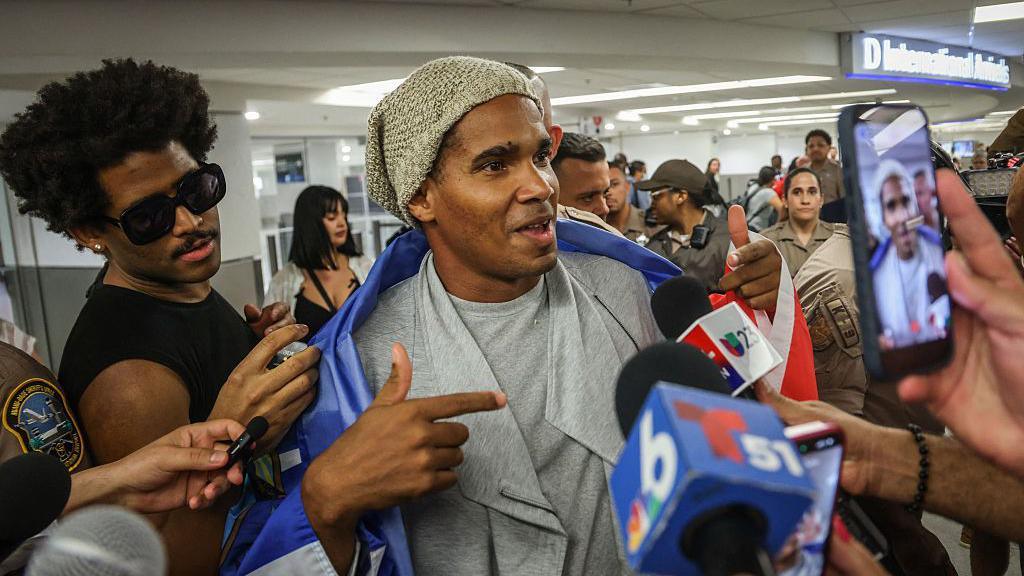
According to BBC reporting, Luis Manuel Otero Alcántara is now in the United States after leaving Cuba. The BBC article is the primary public account of his departure and identifies the United States as his place of exile. The outlet reports that this change of location comes after years of confrontation between Otero Alcántara and Cuban authorities over his public art and activism.
2021 arrest and prison
The BBC says Otero Alcántara was arrested in 2021 during anti-government protests that the source described as among Cuba’s largest in decades. The outlet reports he later spent five years in prison. BBC reporting frames these events as part of a broader security response to the demonstrations and to high-profile dissenters on the island.
Those 2021 protests drew international attention to economic grievances, shortages and demands for political change in Cuba, the BBC notes. Observers and rights groups cited by international media at the time said the unrest represented an unusually large, public expression of discontent; the BBC’s reporting presents that characterisation as its description of the events.
Why his exile matters
Otero Alcántara’s move to the United States has political and human rights implications. For activists, artists and dissident networks inside Cuba, his departure removes a highly visible and controversial figure from the island, which could alter the dynamics of public protest and international advocacy, the BBC suggests.
From a human rights perspective, exile is often interpreted as an indicator of the limits on dissent. The BBC’s coverage emphasises that critics of Cuba’s government have repeatedly raised concerns about restrictions on free expression and the prosecution of political opponents. Whether exile offers personal safety for Otero Alcántara or reduces his ability to organise on the ground in Cuba will depend on how he engages from abroad and how Cuban authorities react.
Context and brief background
Otero Alcántara became known for using performance art and public actions to challenge Cuban authorities and draw attention to human rights concerns. International media and advocacy groups have followed his case because it sits at the intersection of culture, politics and civic protest, a point noted in BBC reporting.
Exile has a long history in Cuban political life; many dissidents, critics and political figures have lived abroad while maintaining ties with communities on the island. The BBC coverage places Otero Alcántara’s departure within that pattern, highlighting how departures by high-profile dissidents can shift the focus of international campaigns and alter diaspora engagement with domestic protest movements.
What comes next
In the immediate term, attention will centre on Otero Alcántara’s status in the United States and any public statements he makes about his experience, future plans and the conditions that preceded his departure. The BBC report is the first clear public confirmation of his location and provides the initial account that journalists and human-rights organisations will likely build on.
Observers should watch for statements from international advocacy groups, possible visa or asylum filings, and any comments from Cuban officials responding to his departure. The BBC indicates that such developments could shape both international advocacy priorities and how dissident networks adapt to having prominent figures based abroad.
Longer term, exile can change the ways activists engage — for example, shifting emphasis toward international lobbying, media work and diaspora organising while making on-the-ground coordination more difficult. The exact implications for Otero Alcántara and for Cuban dissent will become clearer as he and others in the movement define strategies from abroad.
Key takeaways
- BBC reports Luis Manuel Otero Alcántara is now in the United States after leaving Cuba.
- The BBC says he was arrested in 2021 amid significant protests and later spent five years in prison.
- His exile raises questions about the future of dissident activism in Cuba and the role of diaspora advocacy.
FAQ
Why did Luis Manuel Otero Alcántara leave Cuba?
BBC reporting states he left Cuba and is now in the United States. The outlet links his departure to his prior arrest and imprisonment, but does not provide a detailed, single public explanation of his reasons beyond those circumstances.
Was he arrested during the 2021 protests?
Yes. The BBC reports that Otero Alcántara was arrested in 2021 during protests that the source described as among Cuba’s largest anti-government demonstrations in decades. That characterisation is presented here as the BBC’s description of those events.
Where is he now and what does exile mean for him?
According to the BBC, he is in the United States. Exile may provide personal safety and platforms for international advocacy, but it can also distance activists from on-the-ground organising in Cuba. The long-term effects will depend on his choices and developments inside Cuba and among diaspora communities.
Source: BBC News — Cuban dissident Luis Manuel Otero Alcántara goes into exile in US