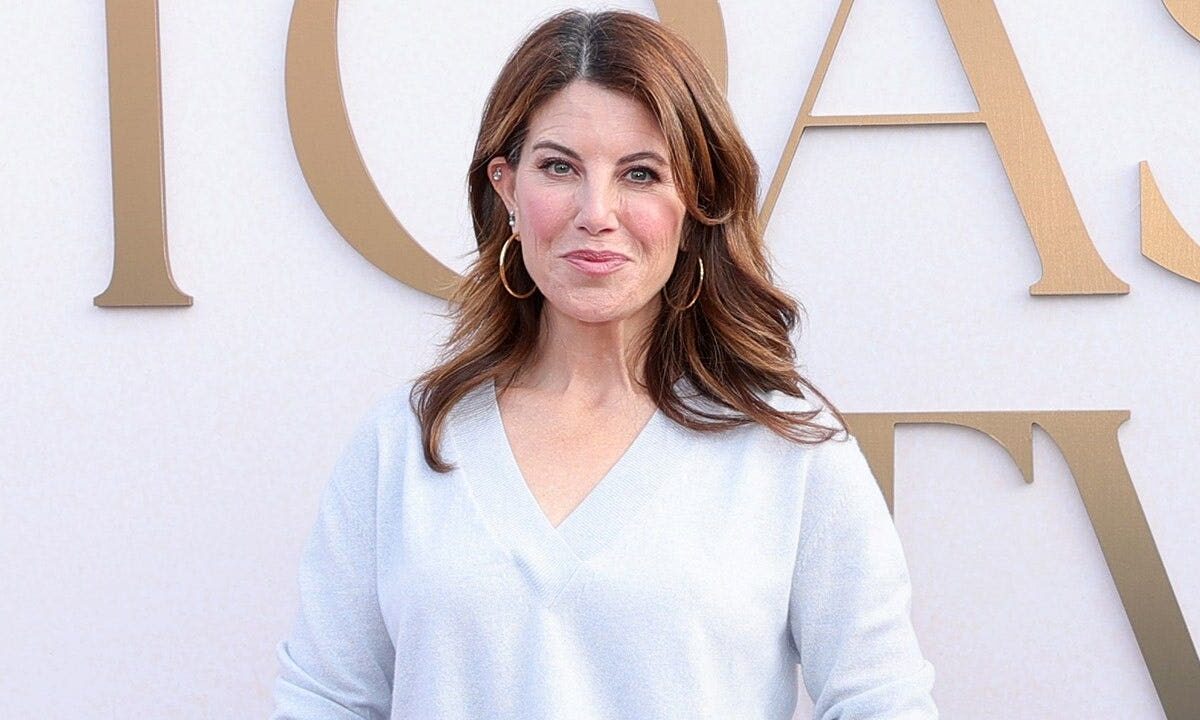
Monica Lewinsky says acceptance and long-term inner work helped her recover from years of intense public scrutiny. In interviews tied to her memoir, And So It Is…: A Memoir of Acceptance and Hope, and during a recent episode of her Reclaiming podcast, Lewinsky described what she called a “dark decade” and explained how integration and self-acceptance became central to moving forward.
Monica Lewinsky on acceptance and the podcast
On Reclaiming with Monica Lewinsky, she spoke with actress Jamie Lynn Sigler about the personal work that followed the public fallout she endured. “You really can’t move through all the steps until you’ve had acceptance,” Lewinsky told Sigler, framing acceptance as the pivot that allowed her to integrate the younger version of herself into her present life without constant shame.
The full episode is available here: https://www.youtube.com/watch?v=8INyWZxMyfs. In that conversation she also discussed passages from her book, And So It Is…: A Memoir of Acceptance and Hope, and explained how telling the story is part of her own reclamation.
“I was severely impacted by having billions of strangers thinking negatively about me,” Lewinsky said, reflecting on the toll public exposure took on her life. (Quote and reporting per Fox News Digital and Lewinsky’s remarks.)
How she describes the dark decade and public impact
Lewinsky entered the public eye in 1998 when news emerged of a sexual relationship with President Bill Clinton while she was a 22-year-old White House intern. According to Fox News Digital coverage of her recent remarks, she has called the years that followed a “dark decade,” describing sustained public judgment and personal harm.
Fox News Digital notes the disclosure of the relationship led to President Clinton’s impeachment in December 1998 on charges of perjury and obstruction of justice; he was later acquitted by the Senate. Lewinsky has repeatedly tied the public response to deep, long-lasting consequences for her sense of self and social life.
She has said the exposure translated into ongoing pain and a chronic sense of vulnerability. In the interview she described periods when it felt like things could only get worse and how difficult it was to rebuild a stable identity amid relentless attention.
Coping strategies: acceptance, integration and energy work
Lewinsky attributes much of her recovery to acceptance and integration: finding ways to carry the younger “Monica Lewinsky” forward rather than trying to leave that person entirely in the past. She described integration as an intentional practice of bringing compassion and attention to earlier parts of herself so they no longer produce shame.
She also told interviewers she has “done an enormous amount of energy work for 20 years,” describing it as part of a spiritual and experiential practice that helped her reframe painful memories and reduce the intensity of triggers. Lewinsky framed these practices as personal and spiritual rather than clinical.
Disclaimer: The energy work Lewinsky describes in interviews is a personal and spiritual practice and should not be interpreted as medical or scientific advice. Readers with mental health or medical concerns should consult licensed health professionals.
Practically, Lewinsky emphasized learning skills to make her inner life less harsh: cultivating self-compassion, seeking supportive communities, and using therapeutic or contemplative tools to cope with reminders of the past. She stressed that integration and acceptance were gradual, ongoing processes rather than single events.
Key excerpts and memorable lines from the interview
Lewinsky used plain language about the lows she experienced, saying there were “some very dark moments” and describing a stretch when recovery felt impossible. She said she was once “a really good disassociater” and that relearning how to be present with pain was central to healing.
Another striking line: “It’s such a big part of reclaiming, actually,” — a comment Lewinsky used to summarize why she wrote her memoir and returned to public conversation. Her references to “energy work” and two decades of practice were presented as part of a personally meaningful toolkit rather than as endorsements of specific therapies.
What this means now and next steps
Lewinsky’s memoir and podcast appearances place her personal story in a broader conversation about public shaming, online harassment and recovery. Her account illustrates how sustained scrutiny can produce long-term effects on a person’s mental and social life and offers one firsthand example of strategies some people use to cope and rebuild.
Those interested in reading more can look for Lewinsky’s memoir, And So It Is…: A Memoir of Acceptance and Hope, and listen to the Reclaiming episode linked above. Coverage of the memoir and Lewinsky’s interviews continues in legacy and digital outlets as she promotes the book and shares her reflections.
Key takeaways
– Monica Lewinsky says acceptance and integration were essential to her recovery after years of public scrutiny, a theme she explores on her Reclaiming podcast and in her memoir.
– She describes two decades of spiritual and “energy work” as part of her personal practice; she and Fox News Digital framed these as experiential and not clinical guidance.
– Her story remains part of wider conversations about shame, cyberbullying and how public life can shape private recovery.
Source: Reporting and quotes per Fox News Digital: https://www.foxnews.com/entertainment/monica-lewinsky-details-dark-decade-moving-past-public-shame. Direct quotes and paraphrases above reflect Lewinsky’s remarks on Reclaiming with Monica Lewinsky and comments tied to her memoir, And So It Is…: A Memoir of Acceptance and Hope.