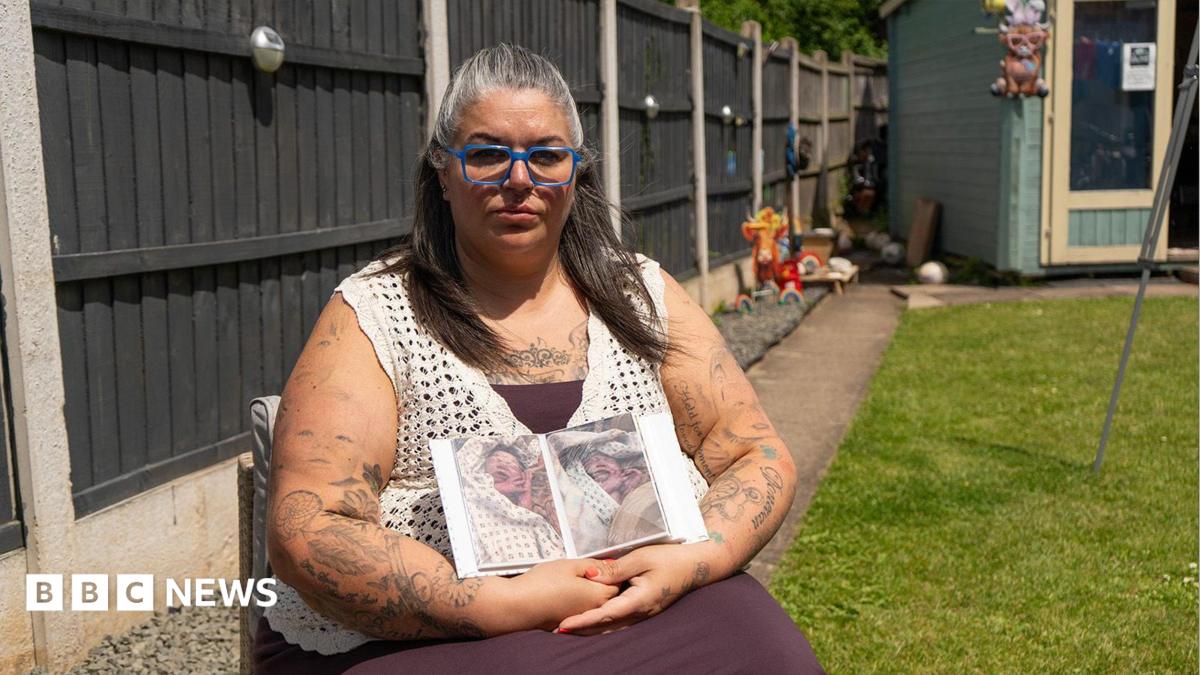
BBC News reports that a bereaved mother was allegedly sent a photograph of her baby after the child had died, raising serious questions about mortuary failings at an NHS trust. The account is being treated as an allegation while formal inquiries proceed.
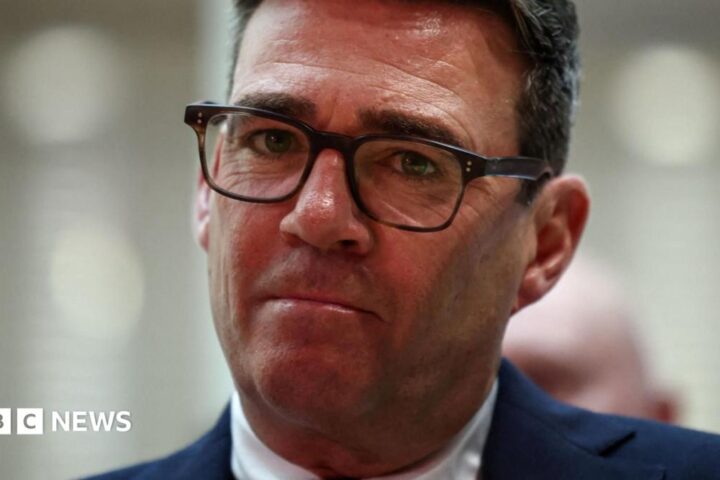
Donna Ockenden, an independent reviewer known for her work on maternity and related care, is quoted in the BBC coverage as saying there were “recurring examples of failure to protect the dignity of the deceased.” The trust involved has confirmed it is investigating and says it is taking concerns seriously.
What is alleged
The BBC report states that a mother was allegedly sent an image of her child after death. That claim is presented by BBC News as part of wider concerns about how remains were handled and how staff communicated with grieving families.
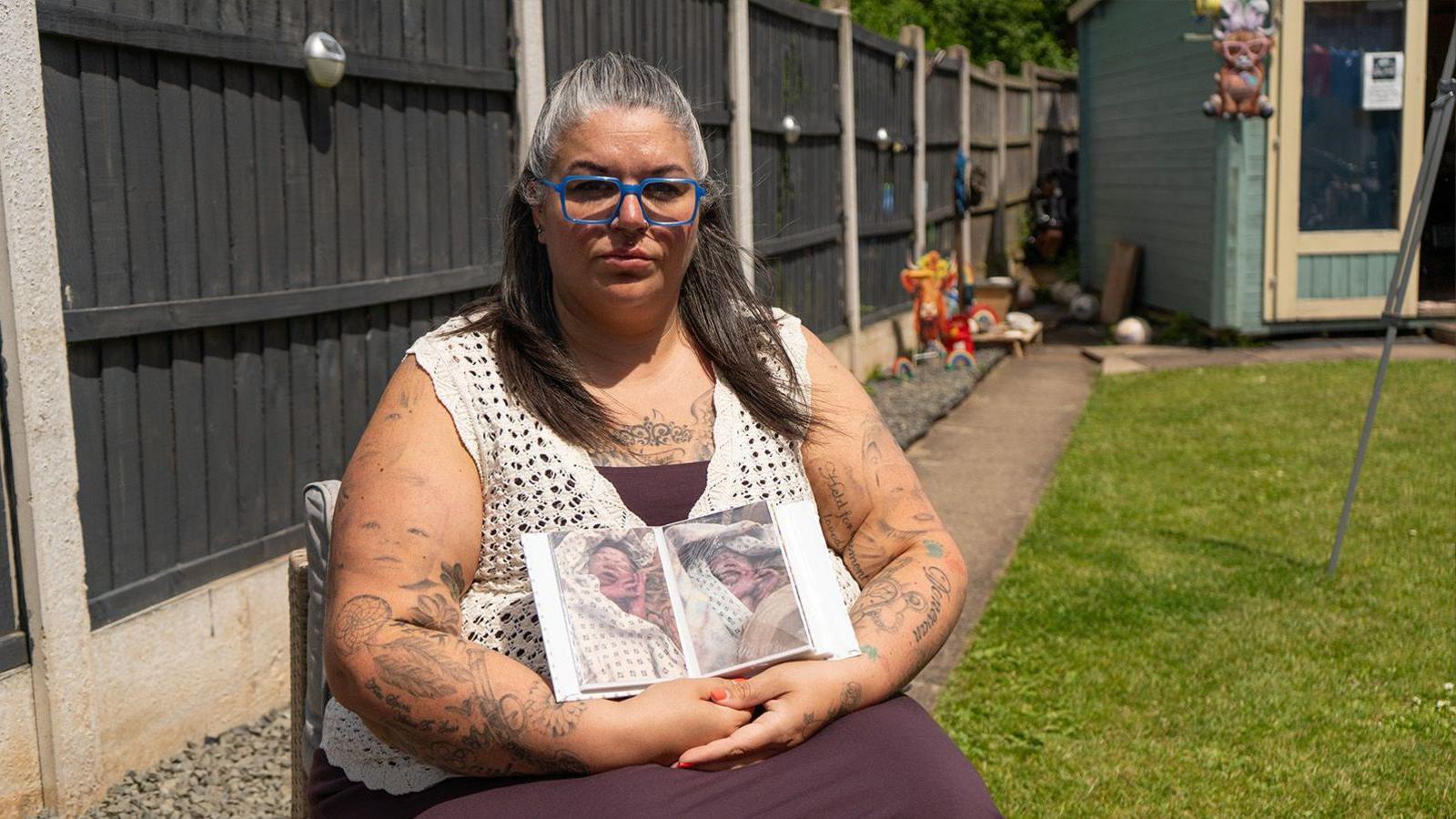
At present, journalists have reported the allegation; it has not been confirmed by a completed independent investigation or regulatory finding. All descriptions here therefore treat the account as an allegation until oversight bodies publish their conclusions.
Mortuary failings at the NHS trust
Reporting describes this matter as an example of alleged mortuary failings at the trust. The phrase covers a range of potential problems, including record-keeping, identification and storage of remains, and inappropriate or insensitive communications with relatives.
Donna Ockenden’s remark about “recurring examples of failure to protect the dignity of the deceased” directly addresses concerns about respect and professional standards at a vulnerable time for families. Her comments in the BBC piece underline the human impact of procedural shortcomings as well as their operational implications.
Allegations of this kind typically prompt scrutiny of frontline practice, management oversight, staff training and formal auditing processes. Investigators look at whether policies were followed, whether systems for tracking remains were adequate, and whether staff received appropriate support and guidance when dealing with bereaved relatives.
Trust response and investigations
The NHS trust named in reporting has stated it is investigating the matter and cooperating with inquiries. Public statements from trusts usually emphasise the need to establish the full facts before drawing conclusions.
Possible lines of inquiry include an internal review, external independent investigation and regulatory oversight by health watchdogs. These processes aim to establish what happened, whether procedures were breached, and what changes — such as improved training or new checks — are required to prevent recurrence.
At this stage the trust’s response reported to the BBC does not amount to an admission of wrongdoing; it signals a formal investigation is under way. Where investigations find failings, they commonly recommend clearer policies, better record systems and strengthened staff support.
Why this matters to families
Claims about mortuary failings go to the heart of what families expect after a death: that their loved ones will be treated with dignity, that identification is handled correctly, and that communications are compassionate and accurate.
When those expectations are questioned, it can deepen bereavement and erode trust in health services. Families affected by concerns over mortuary care need clear information about what happened, access to bereavement support, and a straightforward route to raise complaints.
Families should be offered a named contact at the trust, details of any internal review, and guidance on how to request independent oversight if they remain unsatisfied. Local advocacy services and bereavement charities can provide practical and emotional support while investigations continue.
What comes next
Investigations are expected to continue until the trust or external reviewers set out findings. If failings are identified, recommendations commonly cover staff training, record-keeping, auditing and clearer family communications. In some cases, regulators may publish formal reports and require action plans.
There is no public confirmation of criminal or police involvement in the BBC report. Any such steps would depend on what independent enquiries uncover.
Source: BBC News. The BBC report is the primary source for these allegations and for Donna Ockenden’s comments. Affected families should contact the NHS trust for information about the investigation, request formal findings when available, and seek bereavement support and independent review where appropriate.
Next steps for families: ask the trust for details of the review, request a named liaison for communications, and seek independent advocacy or regulator involvement if concerns remain unresolved.