New Yorker sues ICE after a Rochester man says federal agents visited his home and later sought him out at a New York City hotel following an emailed criticism. The complaint, filed in federal court in Washington, D.C., alleges the contacts were intended to intimidate and chill speech and seeks an order to stop the conduct.
New Yorker sues ICE: what the complaint says
David Streever, a U.S. citizen from Rochester, filed the lawsuit naming the Department of Homeland Security and Immigration and Customs Enforcement. The complaint says Streever sent an email in January to then-acting ICE director Todd Lyons criticizing the agency’s handling of an ICE officer-involved shooting in Minneapolis that killed Renee Nicole Good.
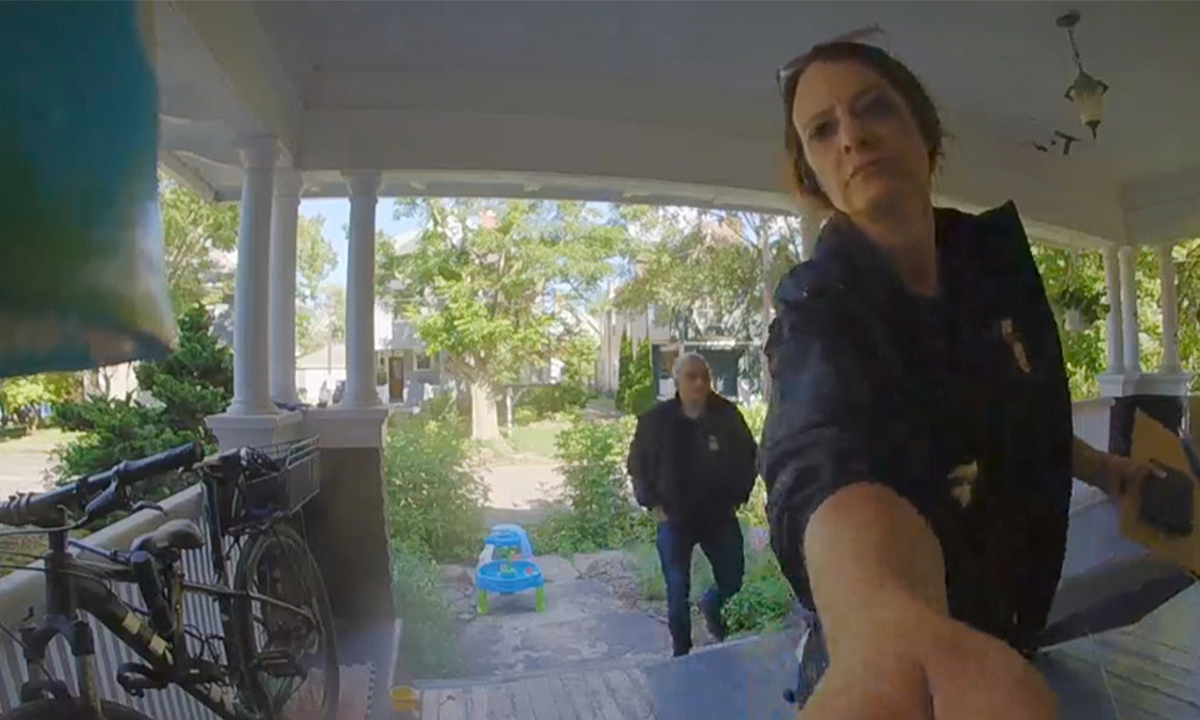
While Streever was abroad, two federal officers visited his Rochester home and handed a written warning notice to his wife. The notice, as described in reporting, warned that the email could violate federal law and urged Streever to “promptly remove and/or discontinue” the alleged conduct. The complaint says officers later attempted to make contact at a New York City hotel after Streever’s return.
Timeline of contacts with federal officers
January: Streever sends an email to Todd Lyons criticizing ICE leadership and its handling of the Minneapolis shooting.
Months later, while Streever was in Finland with his daughter, two officers visited his Rochester home and gave his wife a written warning notice indicating the email was being treated as a potential threat.
Within days of his return, the complaint says officers tried to confront Streever at a Manhattan hotel but were turned away by staff. The plaintiffs also say officers left voicemails identifying themselves as Homeland Security Investigations.
Legal issues: First Amendment and alleged intimidation
The heart of the complaint is a First Amendment claim: Streever’s lawyers argue the January email was protected political speech criticizing a government agency, and that the government’s actions constituted retaliation designed to silence him. Adam Steinbaugh of the Foundation for Individual Rights and Expression represents Streever.
In plain terms, the First Amendment protects most criticism of government actors. Courts distinguish between lawful criticism and true threats or speech that meaningfully facilitates criminal conduct. The complaint contends the message did not present an imminent danger and therefore was protected. As Steinbaugh put it, “If someone is really threatening a government official, you don’t wait five months to act on it. The fact that authorities didn’t respond immediately shows that David presented no threat. This pursuit is designed to intimidate lawful speech, pure and simple.”
That assertion frames the legal test the court will apply: whether the government’s contacts were reasonable investigatory steps or unlawful retaliation that chills protected expression.
Government response and disputed facts
The Department of Homeland Security and ICE dispute Streever’s characterization. A DHS statement included in reporting said, “Any allegation DHS and its components are attempting to ‘squash’ free speech is categorically FALSE.” Reporting also noted that agencies emphasized obligations to investigate doxxing or other posts that reveal private information about officers.
Fox News Digital reported it reached out to DHS and ICE for comment; the lawsuit and the agency statements reflect competing accounts. The complaint alleges intimidation; agency statements emphasize investigative duties and public safety concerns. Those factual disputes will be central as the court assesses the record.
Related incidents and local context
The complaint comes amid other reported encounters between federal officers and private citizens in the same period. Reporting mentions a poll worker, Paigelynne Gonyea, who said federal officers questioned her at a voting site about a social media post related to an ICE officer connected to the Minneapolis shooting. DHS officials pointed to social posts that allegedly shared an officer’s address as an example of when investigators may intervene.
These related episodes illustrate the tension agencies describe between allowing robust criticism and responding to potential threats or doxxing. Plaintiffs contend the government crossed the line into retaliation; officials say they were performing law enforcement duties.
What this could mean and next steps
Streever’s suit names Homeland Security Secretary Markwayne Mullin and asks the court for declaratory and injunctive relief — specifically, a court order to stop what the complaint characterizes as coercion and retaliation for protected speech. If granted, such an order could bar similar contacts while litigation proceeds and set a preliminary legal standard for how officials may respond to online criticism.
Practically, the case moves the dispute from public complaint into the federal courtroom where judges will consider whether the facts alleged meet the legal thresholds for retaliation or for permissible investigatory activity. The plaintiffs will need to substantiate their claims with evidence of motive and effect; the government will present its investigative rationales.
Background
The litigation arises against the backdrop of the Minneapolis officer-involved shooting that prompted sharp public response. The lawsuit and reporting reflect broader debates over enforcement practices, online speech boundaries, and how agencies balance officer safety with free expression.
Legal observers say courts typically balance the government’s interest in safety and law enforcement against the high protection afforded to political speech. That balance will be tested here as the judge weighs whether the warning notice and subsequent contacts were justified investigatory steps or unconstitutional pressure to silence dissent.
Source: Reporting by Fox News Digital. Original coverage: Fox News — New Yorker suing ICE after officers went to his home to warn him over criticism of agency.