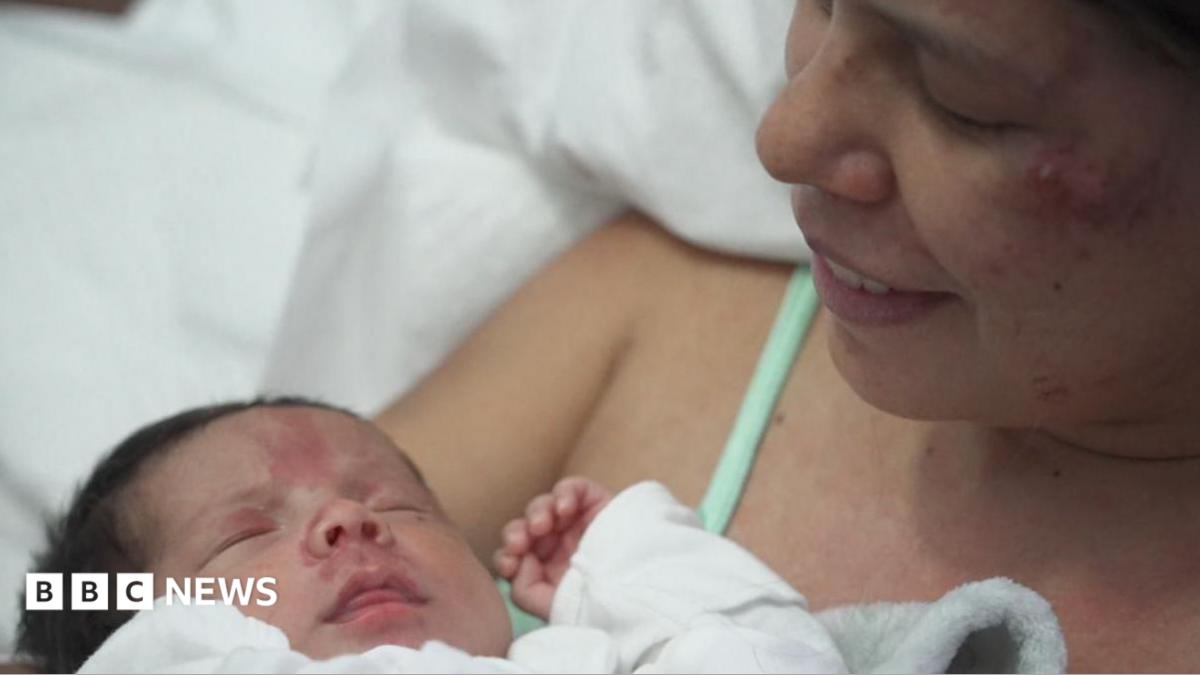
Newborn rescue Venezuela: 18-day-old Juan David was pulled alive from the rubble after a series of earthquakes struck parts of Venezuela. BBC News reported that search teams found the infant in the debris and transferred him to medical personnel; local officials and broadcasters on the ground also confirmed rescue activity in affected neighbourhoods.
Rescuers, volunteers and neighbours worked in unstable conditions to reach the child. Medical teams were waiting to assess and treat him. BBC reporting and statements from local rescue coordinators say the baby was alive when freed and taken into care, though detailed medical information has not been released publicly.
Newborn rescue Venezuela: what we know
According to BBC News and reporting from local sources at the scene, 18-day-old Juan David was found in the wreckage of a damaged building after the tremors. Teams searching collapsed structures heard signs of life and focused efforts on a specific section of rubble until the baby was located and dug out.
Officials on site told journalists the extraction was careful and time-sensitive. Rescue workers used hand tools and limited machinery in some spaces to avoid causing further collapses. The child was handed to medical staff immediately and taken for observation and treatment.
How rescuers found the baby
Witnesses and rescue coordinators described a coordinated response consisting of neighbours, local emergency services and volunteers. Search teams worked in shifts amid dust, broken concrete and unstable surfaces as they cleared lanes of debris by hand where necessary.
Those involved said the operation required patience and steady work to prevent shifting rubble from endangering the infant or the rescuers. Multiple rescuers and medics were present as the baby was freed, and responders focused first on stabilising him and checking for immediate needs before transfer to a nearby clinic.
Mother’s account and reaction
The baby’s mother, whose name has not been released in reporting, told BBC journalists that her son was her reason to keep going during and after the tremors. She described the survival of her infant as a “miracle” and expressed deep gratitude to the teams who searched for and rescued him.
Her comments, published by BBC News and relayed by local reporters, highlight the emotional toll on families in affected areas and the immediate relief felt when a loved one is found alive.
Why this rescue matters in Venezuela
The recovery of Juan David has been described by community members and local communicators as a symbol of hope for people coping with the aftermath of the quakes. Small signs of survival like this draw attention to the human side of disaster response and can boost morale for neighbours and rescue crews working long hours.
At the same time, the incident underscores ongoing needs: search-and-rescue capacity, medical care, temporary shelter and reconstruction planning. Local responders often arrive before larger national or international aid, and this rescue highlighted both the skills and risks faced by those first on the scene.
Source and next steps
Reporting in this article is based on BBC News coverage and contemporaneous accounts from local rescue coordinators and broadcasters at the scene. BBC News provided the first detailed public account of the baby’s rescue; local officials and media corroborated the presence of rescue operations and the transfer of the infant to medical care.
What comes next: authorities said they will continue to monitor the baby’s health and press on with search operations where buildings remain unstable. Follow-up reporting may provide updates on Juan David’s condition, the mother’s situation and the wider relief response as officials and aid groups assess damage and needs.
Further developments should be confirmed through official channels and established news organisations. Source: BBC News — https://www.bbc.co.uk/news/articles/clyw3rkj2p7o.
Frequently asked questions
What happened with newborn rescue Venezuela?
Search teams found 18-day-old Juan David alive in rubble after earthquakes. He was freed by rescuers and taken to medical staff for assessment, according to BBC reporting and local sources.
Why does newborn rescue Venezuela matter?
The rescue draws attention to individual stories amid wider disruption and provides a human example of survival that can bolster community resilience. It also highlights ongoing needs for medical care, shelter and search-and-rescue resources.
What happens next?
Authorities and medical teams will monitor the baby’s condition and continue recovery and relief work. Journalists and officials are expected to provide updates as more information becomes available.