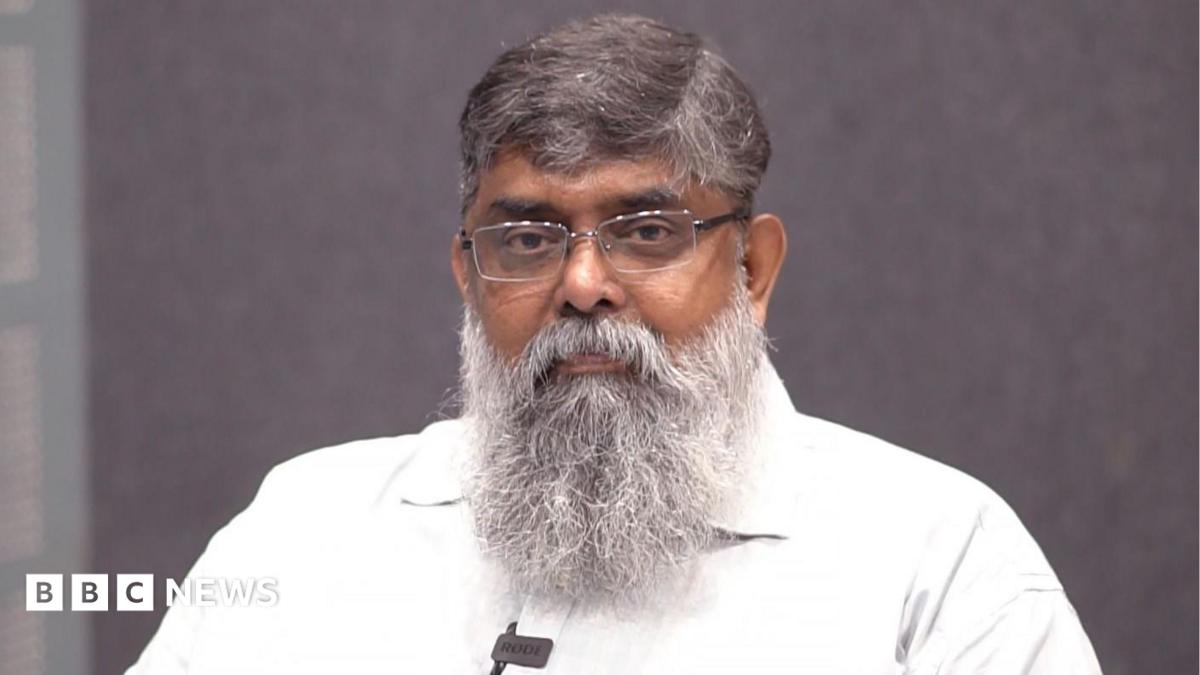
BBC News – India on 2026-06-29 reported that editor Rajagopal alleges his name was deleted from the electoral rolls and that he has been unable to renew his passport, prompting condemnation from colleagues. The report frames these as allegations and they have not been independently verified in public records.
BBC News – India, 2026-06-29 is the primary public source for the sequence of events and reactions described below.
What BBC reported
On 2026-06-29 the BBC published an article summarising Rajagopal’s account that his name was removed from electoral rolls and that this removal prevented him from completing a passport renewal process. The BBC also recorded responses from fellow journalists and press organisations condemning the development, as reported in the story.
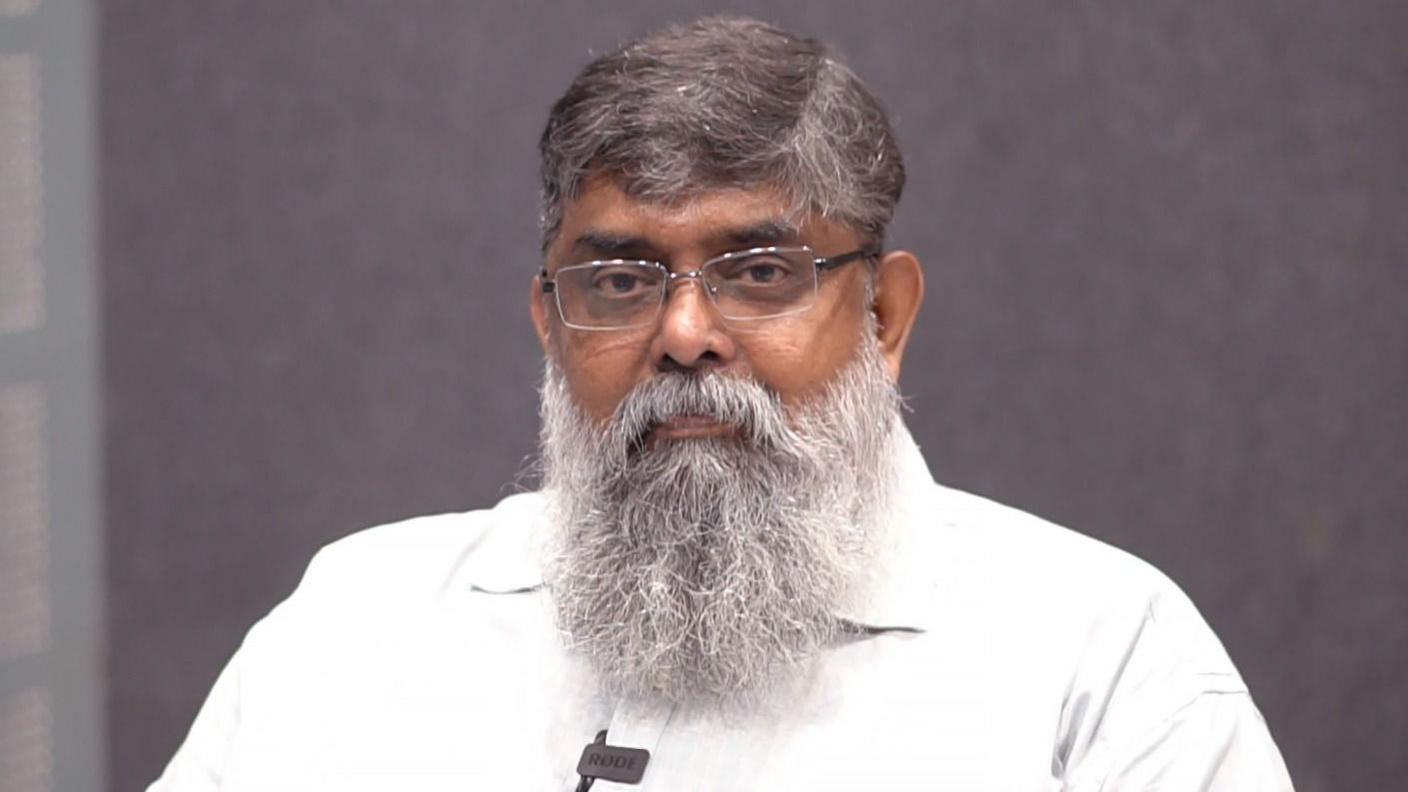
The BBC article presents Rajagopal’s statements as his allegations. The report does not present confirmation from electoral authorities or passport officials in the public record cited by the BBC at the time of reporting.
Allegations on voting and passport rights
According to the BBC piece, Rajagopal said his entry on the electoral rolls was deleted. He told the BBC that this deletion was linked to an inability to complete a passport renewal application that, in his case, required verification of electoral registration.
The BBC explicitly describes these matters as allegations by Rajagopal. The report does not show an official document proving the deletion or a written refusal from passport authorities attributing the renewal problem to electoral roll status.
Reaction from Indian journalists
Journalists and press associations quoted by the BBC condemned the reported developments. They described the alleged removal from electoral rolls and the passport renewal difficulties as a potential denial of civic rights and called for transparency and official clarification.
Peers and media bodies reported by the BBC urged authorities to explain any administrative action and to ensure that any measures affecting civic status are legally justified and publicly accountable.
Legal and procedural context
Election registration and passport issuance in India are handled by separate official bodies. According to official guidance from the Election Commission of India, electoral rolls are maintained by designated electoral registration officers and updated through routine revision processes and special drives. Names may be added or removed during summary revisions, or as a result of reported changes in residence, death records, or administrative corrections.
Passport services are managed by the Ministry of External Affairs through the Passport Seva system. Passport renewal typically involves identity and address verification. In many cases, this can include submission of documentary proof and, where required under official procedures, police verification or other checks before a passport is issued or reissued.
Because those systems are run by different authorities, an administrative issue in one does not automatically prove an action by the other. The BBC report notes Rajagopal’s claim that the electoral roll entry affected the passport renewal process in his case, but it does not include confirmation from electoral officers or passport authorities asserting that linkage.
Official records or statements from the Election Commission of India or the Ministry of External Affairs would be required to confirm the precise administrative reasons for any removal from voter lists or any refusal or delay in passport renewal.
What comes next
Journalists and rights groups quoted in the BBC story have called for transparent verification. The immediate next steps for reporters and the public are to seek official responses from the electoral registration office that maintains the relevant roll and from the passport authority that handled the renewal application.
Verification can take several forms: checking the current electoral roll entry via the local electoral office or the Election Commission’s public services; requesting a formal explanation from the passport office or the Ministry of External Affairs; or obtaining any written correspondence that documents the reason for refusal or administrative action.
If an administrative error is confirmed, established procedures exist for correction of electoral rolls and for resolving passport issues, including re-submission of documents or formal grievance routes. If officials confirm a deliberate removal or refusal, they would be expected to point to a legal or administrative basis for that action.
Reporters following the BBC story say they will continue to seek statements from the relevant authorities and will report updates as they become available. For readers, the situation underscores the importance of official verification before treating allegations as established fact.
Frequently asked questions
What happened with voting and passport rights?
BBC News reported on 2026-06-29 that Rajagopal alleges his name was removed from electoral rolls and that this hindered his passport renewal. These are allegations reported by the BBC and have not been independently confirmed in public records cited in that report.
Why does voting and passport rights matter?
Being on the electoral roll is commonly used as proof of residence and is connected to the right to participate in elections. Passport renewal affects freedom of movement. Allegations that either status is being blocked raise immediate concerns about civil rights and administrative transparency.
What happens next?
Reporters and rights groups are seeking verification from electoral registration officers and from passport authorities. Official records or statements will be needed to confirm the claims and to explain any corrective steps or legal remedies available.
Source attribution
This article is based on reporting by BBC News – India: BBC News – India, 2026-06-29. All claims described above are those reported by BBC and are presented here as allegations pending verification from electoral and passport authorities.