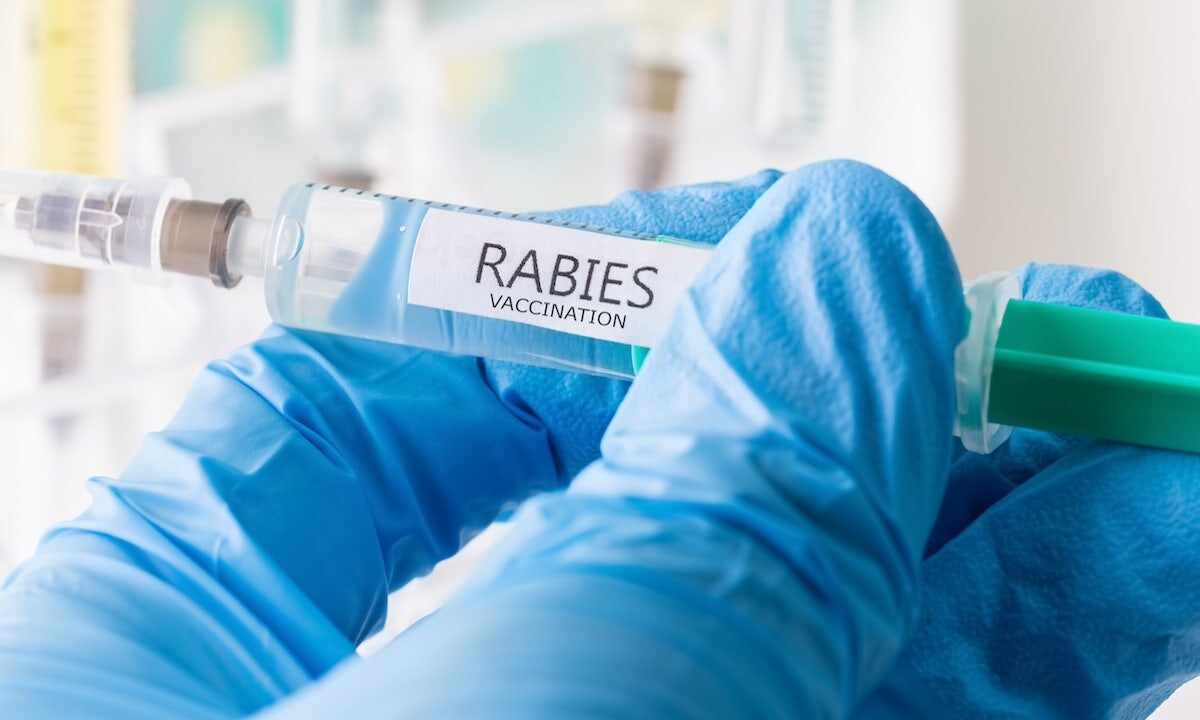
The Canadian Medical Association Journal (CMAJ) reported that an 11-year-old boy in northern Ontario has died of rabies after a bat landed on his face while he slept. The case, summarized in the CMAJ report and described by the child’s family to medical authors, highlights how quickly rabies can progress once symptoms begin and why rabies exposure needs urgent evaluation.
Quick summary: rabies death reported
The CMAJ case summary states that the child was treated at hospital only after symptoms began and later died. The report, which is the primary source for this account, documents the clinical course and the family’s recollection of the bat encounter. A contemporaneous news account by Fox News also reported on the case. The family’s description of the encounter is included in the medical report but has not been independently verified by the news outlet.
Incident details and family account
According to the CMAJ report, the boy was staying at a cottage in northern Ontario when a bat landed on his nose and mouth while he was sleeping. The family says he was awakened, swatted the bat away and his father captured the animal in a cooking pot before releasing it outdoors. The parents reported seeing no visible bite marks or scratches and did not perceive the bat to be behaving in an overtly abnormal way, which influenced their decision not to seek immediate medical evaluation.
Because the bat was released rather than retained for testing, public health authorities would not have had the opportunity to test the animal to determine whether it carried rabies. The CMAJ authors include the family’s account in the clinical history; this detail is important context but is not independently corroborated by the newspaper reporting the case.
Medical timeline and hospital course
The CMAJ report indicates the boy developed symptoms about 19 days after the bat contact. He was taken to an emergency department 20 days after the encounter; physicians initially evaluated him and discharged him, but he returned the next morning and was admitted. Clinicians documented a rapid decline: within hours his condition worsened and, by the fifth day of admission, brainstem reflexes were absent. Life-sustaining therapies were withdrawn on the 17th day of admission and the child died with family present, according to the report.
The case report emphasizes that rabies, once clinical symptoms are established, is almost always fatal. That grim outcome is why public health guidance centers on assessing potential exposures quickly and administering postexposure prophylaxis (PEP) when indicated to prevent the disease before symptoms begin.
Why prompt PEP matters for rabies
Rabies is an infection of the nervous system caused by lyssaviruses. When people are exposed — most commonly through bites or direct contact with saliva from infected mammals — the virus can enter peripheral nerves and eventually reach the brain. After symptoms appear, effective treatment options are extremely limited and survival is rare.
Postexposure prophylaxis (PEP) — which generally includes immediate wound cleansing, and, where indicated, administration of human rabies immune globulin plus a series of rabies vaccinations — is highly effective at preventing disease when started promptly after a potential exposure. Public health authorities and clinicians assess the nature of contact, the species involved and the availability of the animal for testing when recommending PEP. Importantly, a visible bite is not always present: bats have small teeth, and exposures involving the face or mouth are considered higher-risk even when a bite is not obvious.
Advice for parents and next steps
If a child or adult has any direct contact with a bat — for example, a bat touching the face, mouth, eyes or exposed skin — public health or a medical provider should be contacted immediately. Early actions include thoroughly washing any wound or exposed area with soap and water and seeking urgent medical evaluation so clinicians and public health can assess risk and arrange PEP if recommended.
When possible, public health authorities will arrange to capture and test the animal for rabies; retaining the animal for testing can remove uncertainty and spare people from unnecessary treatment when the animal is rabies-free. If the animal cannot be tested, decisions about PEP are made based on the exposure details, local rabies risk and clinical judgment. Vaccination recommendations can vary by age, immune status and timing, so clinicians provide individualized advice.
Parents should also be alert for early symptoms such as fever, headache, irritability, difficulty sleeping, odd behavior or sensory changes near the exposure site. Any concerning changes should prompt immediate return to medical care. Even though rabies is rare in many places, the seriousness of the disease underlies the guidance to treat potential exposures with caution.
What comes next
Public health teams typically attempt to determine whether other household members or contacts had similar exposures and whether follow-up or preventive treatment is needed. When a bat or other suspect animal is available, laboratory testing can confirm whether it carried rabies, which directly informs PEP recommendations. In cases where animals are not available, clinicians balance the exposure risk with the safety and benefits of PEP in making recommendations.
Frequently asked questions
Can you get rabies from a bat without a visible bite or scratch?
Yes. Bats have small, sharp teeth and bites may not leave clear marks. The CMAJ case and public health guidance stress that any direct contact with a bat — particularly involving the face or mouth — should prompt discussion with public health about PEP even if no bite is seen.
What is postexposure prophylaxis and how soon must it be given?
Postexposure prophylaxis (PEP) involves thorough wound cleaning and, when indicated, rabies immune globulin plus a series of rabies vaccine doses. PEP is most effective when begun promptly after exposure; public health or emergency clinicians can advise on the appropriate regimen and timing.
Who should I contact after any bat contact?
Contact your local public health authority or seek care at an emergency department or urgent care clinic so exposure risk can be assessed and PEP arranged if recommended. Public health can also advise on testing the animal if it is available.
Source attribution: This report is based on a case summary published in the Canadian Medical Association Journal (CMAJ) and a news account by Fox News. The family’s description of the bat encounter is included in the CMAJ report; that family account was not independently verified by the news outlet reporting the case. Readers should consult local public health guidance for specific advice about rabies exposures and PEP.