The latest demographic figures make one reality clear: population decline in Germany is increasingly linking decline to exposing Germany’s old divides. New analysis by the BBC and official statistics show losses are not evenly spread — they are concentrated in many smaller towns and rural districts in the east, which raises questions about services, local economies and long-term planning.
This piece summarises the data-led findings, gives two town-level case studies from eastern Germany, explains the historical roots of the pattern, describes local impacts and responses, and outlines policy options experts and local officials are discussing for what comes next.
What the data shows: population decline Germany
BBC analysis of official population statistics shows a clear national picture with sharp regional differences. While some larger urban areas, particularly in the west and some eastern cities, have held steady or grown, many smaller towns and rural districts across eastern Germany have experienced net population losses over recent years. The pattern is robust enough to appear on national maps of population change, which highlight a belt of decline outside the major metropolitan centres (BBC analysis of official statistics).
Where the slump is worst
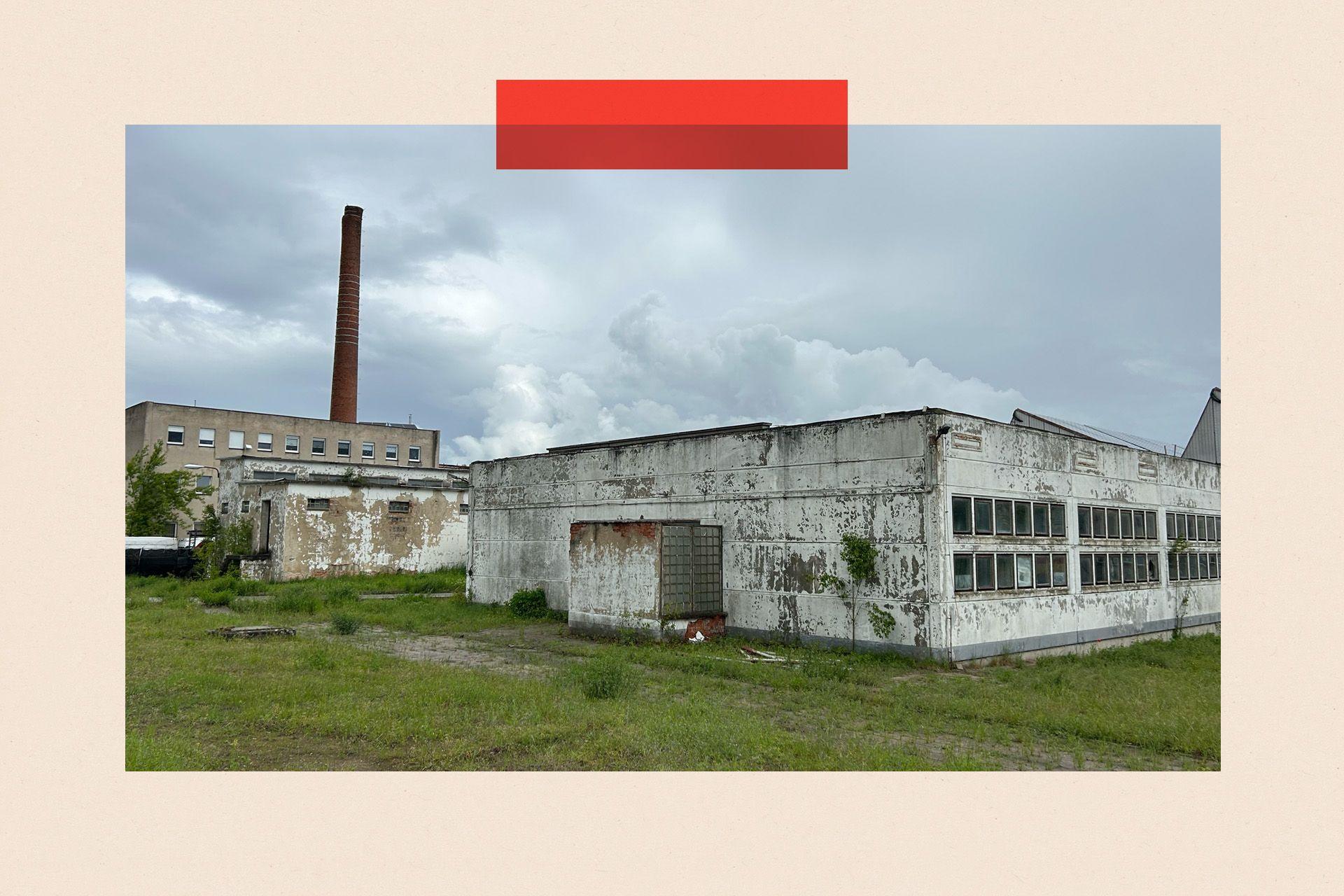
The most pronounced declines are found in a mix of small towns and rural districts in states such as Saxony and parts of the former East German territories. On-the-ground indicators that professionals point to include falling school rolls, rising housing vacancy rates and reduced footfall for local shops — signs that population losses are changing daily life in many places (BBC analysis; official local statistics).
Two town-level cases illustrate the regional pattern. BBC reporting and local statistics highlight Hoyerswerda in Saxony as an example of a town that has struggled with long-term out-migration since reunification. Similarly, Plauen in Vogtland is cited among places that faced population losses before seeing partial stabilisation in recent years. In both towns, demographic decline has been driven by younger residents moving to larger cities for education and work and by lower natural population growth in the local area (BBC analysis; municipal records referenced by the BBC).
These town-level examples are not isolated: many small municipalities show similar dynamics on local registers. The map-like concentration of losses across eastern districts makes the trend visible at a regional scale, even where some eastern cities have bucked the trend and maintained or increased their populations.
Why old divides matter now
Decades after the fall of the Berlin Wall, structural divisions between east and west remain relevant. The economic shock of reunification and the shift from a centrally planned economy to market structures left many eastern industries and employers weakened. That helped create diverging labour-market opportunities: where private-sector investment and job creation were slower, out-migration accelerated. BBC analysis links these historical roots to current demographic patterns, showing how long-running economic differences still shape where people can find stable work and career opportunities.
Those divisions have translated into different prospects for public and private investment. Areas that struggled to attract sufficient new employers after reunification often face fewer high-skilled job openings and lower wage growth in some sectors. That, in turn, affects decisions by young adults about whether to remain in or leave their hometowns.
Local impact and response
Population loss alters the provision of everyday services. Falling pupil numbers force school consolidations in some districts; lower demand for public transport can lead to reduced routes; and shrinking tax bases make it harder for municipal governments to maintain infrastructure. Health services, social care and local cultural venues also feel the pressure when catchment populations contract (BBC analysis; local government reports).
Local responses vary. Some municipalities have adopted targeted, place-based strategies aimed at stabilising their populations: measures include improving broadband to attract remote workers, upgrading local transport links to nearby cities, renovating affordable housing to make towns more appealing to families, and offering incentives for small businesses to set up locally. Civic groups often focus on practical projects — from repurposing vacant buildings for community use to promoting tourism and local crafts — that can have immediate local benefit.
What comes next
Demographic momentum means that, in the near term, some eastern communities will continue to see modest declines unless there are clear changes in local economic prospects. Experts and regional planners emphasise that targeted policy measures are likely to be more effective than one-size-fits-all solutions. Typical options under discussion include investment in connectivity (digital and transport), incentives for companies to locate outside major cities, and targeted support to keep essential services viable in smaller towns.
Monitoring data at the municipal level will be critical to identify where limited funds can have the greatest effect. Policies that combine economic incentives with guarantees for basic services — schools, healthcare and transport — and that allow local adaptation tend to be the priority in policy debates, according to analysts cited in the BBC coverage and in official planning documents referenced by the BBC.
Policy implications and priorities
Addressing the regional pattern of decline requires coordinated national and regional effort. Investment aimed at improving connectivity and local job creation matters, but so do measures that sustain essential services as populations fall. Policymakers face choices about whether to concentrate resources in growth corridors or to prioritise support for towns with realistic prospects of recovery. The balance of those choices will shape social and economic outcomes across eastern Germany over the next decade.
Source attribution
This article draws on BBC analysis of official German demographic statistics and related local reporting. For the original analysis and data context, see the BBC’s coverage: How population decline is exposing Germany’s old divides.