Quick lede: what is at stake
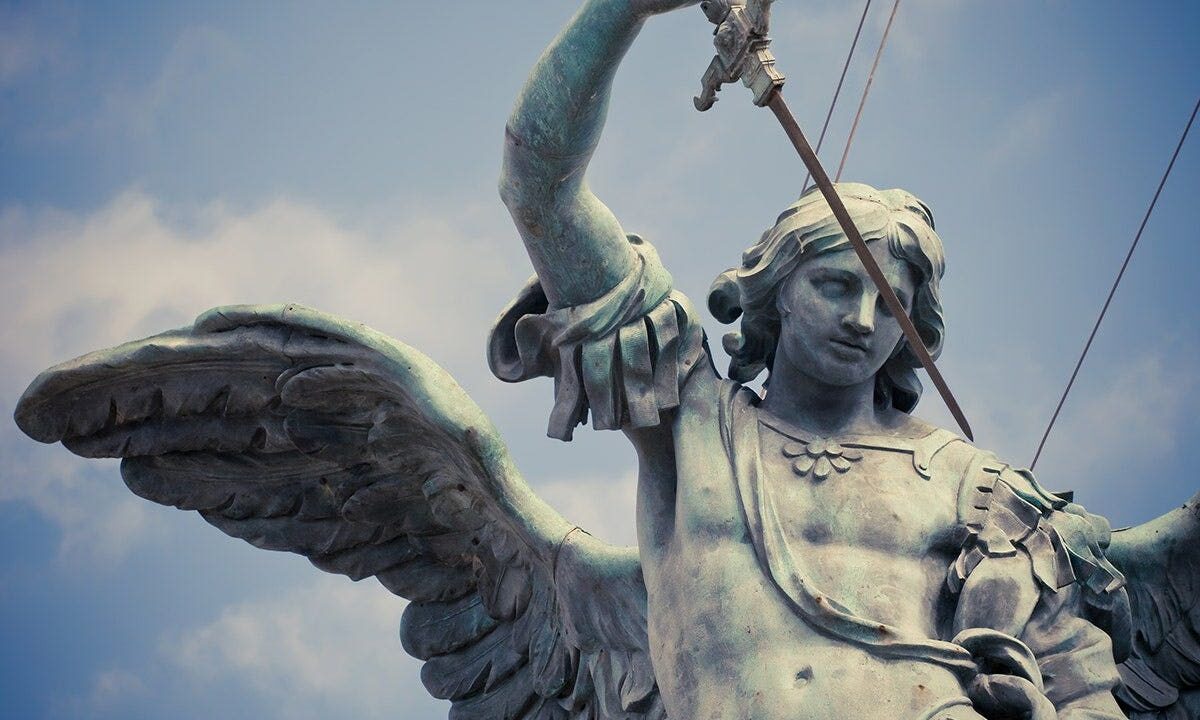
The Massachusetts Supreme Judicial Court will decide whether two 10-foot St. Michael and St. Florian statues can be placed outside Quincy’s public safety headquarters. The question is whether the St. Michael and St. Florian statues, chosen by Mayor Thomas Koch and crafted by a sculptor in Italy, amount to a civic tribute to first responders or an unconstitutional government endorsement of religion, according to court filings.
How the lawsuit started
The legal challenge began in May 2025 when a coalition of Quincy residents and advocacy groups filed suit in Norfolk Superior Court. The complaint challenges the planned installation of the St. Michael and St. Florian statues at the new public safety building.
Plaintiffs include local residents represented by the ACLU of Massachusetts and the national American Civil Liberties Union. The suit also lists Americans United for Separation of Church and State and the Freedom From Religion Foundation among the organizations involved, with local counsel Cloherty & Steinberg LLP, according to court filings and reporting by The Patriot Ledger and Fox News Digital.
The complaint alleges the proposed display relies on Catholic iconography and therefore lacks a predominantly secular purpose. Plaintiffs argue that placing two oversized religious figures as the primary adornments of a public safety headquarters would have the primary effect of advancing religion, in violation of Massachusetts constitutional protections cited in the ACLU’s brief.
City defense and why the statues were chosen
Quincy officials say the statues are intended as civic memorial art to honor police and firefighters. Mayor Thomas Koch, the filings say, selected the bronze figures to “honor, inspire, and encourage our First Responders” and to boost morale among personnel serving the city.
The city is represented by the Becket Fund for Religious Liberty. In filings and public statements summarized in coverage, Becket attorneys argue the sculptures are civic symbols and do not constitute government endorsement of religion. Becket’s briefs emphasize the historical association of St. Michael and St. Florian with policing and firefighting and contend that honoring service fits a secular, commemorative purpose.
Court papers note the statues were commissioned from a sculptor in Italy and were chosen after outreach described in the city’s submissions. Those procedural details figure into the parties’ competing views of intent and context.
St. Michael and St. Florian statues: the legal arguments
At the heart of the dispute is whether the display “lacks a predominantly secular purpose” and would “advance religion,” language reflected in the plaintiffs’ claims and drawn from Massachusetts constitutional doctrine. The ACLU of Massachusetts’ brief, cited in court records and reporting, frames the imagery as explicitly religious and says the display would fail the state’s neutrality test.
Becket and its allies counter that the primary purpose is secular: commemorating first responders. Their briefs note long-standing traditions in which St. Michael (often associated with protection) and St. Florian (traditionally linked to firefighters) serve as cultural symbols used by public-safety organizations. Fraternal police groups filing amici briefs say the saints are honored across faiths and professions and that context matters in assessing purpose and effect.
Massachusetts courts apply a state constitutional test grounded in the Declaration of Rights that looks closely at purpose, effect, and context. Plaintiffs argue that two prominent religious statues serving as the building’s principal decorations would convey a message of religious endorsement. The city replies that context, historical practice, and the memorial function tip the analysis toward a secular purpose.
Potential precedent and local impact
A decision for the plaintiffs could narrow what municipalities may place on public property when imagery derives from religious traditions. That could force local governments to rethink memorial design, opt for explicitly secular symbols, or provide additional contextualizing elements to avoid the appearance of endorsing religion.
For first responders, the ruling could change how communities commemorate service and sacrifice. Municipal displays that draw on faith-linked imagery might need added plaques, multi-faith symbols, or alternative artistic approaches to meet Massachusetts’ neutrality standards.
Conversely, a ruling for Quincy could make it easier for towns and cities to use religiously derived symbols in commemorative settings, provided they can show a secular purpose such as honoring public service. Either outcome would produce binding guidance for municipal displays across the state and potentially shape litigation strategies in similar disputes.
Background and expert reaction
Local reporting by The Patriot Ledger first publicized the statue plan and raised questions about disclosure during building approvals, prompting the formal challenge. Fox News Digital and other outlets subsequently reported on the litigation and the competing briefs filed by the ACLU and Becket.
Legal experts note that Massachusetts’ test for government neutrality on religion is among the most protective and distinct from the federal Establishment Clause analysis. Commentators cited in briefs and reporting emphasize the state’s Declaration of Rights framework and warn that the court’s approach to purpose and context will determine how narrowly or broadly the ruling applies.
What comes next and timeline
The Becket Fund has said the Massachusetts Supreme Judicial Court could make an imminent decision on whether to accept the appeal. If the high court allows the appeal, it may set a briefing and argument schedule; a decision could follow within weeks to a few months depending on the court’s calendar and procedural posture.
Pending the state court’s action, Quincy has not proceeded with installation, per court filings. If the SJC rules and remands or affirms, further lower-court proceedings could address remedies or specific installation conditions. Any ruling will likely prompt other municipalities to review pending memorial projects that incorporate faith-linked imagery.
Source attribution
This article draws on reporting and court filings published by Fox News Digital and initial local coverage by The Patriot Ledger, as well as legal briefs and statements from the ACLU of Massachusetts and the Becket Fund for Religious Liberty. Court filings in Norfolk Superior Court and amici briefs cited in reporting provided the basis for claims about purpose, effect, and context.
Watch for an imminent order from the Massachusetts Supreme Judicial Court that will clarify whether these specific St. Michael and St. Florian statues may stand on public property and, by extension, how municipalities may use faith-linked imagery to honor first responders.