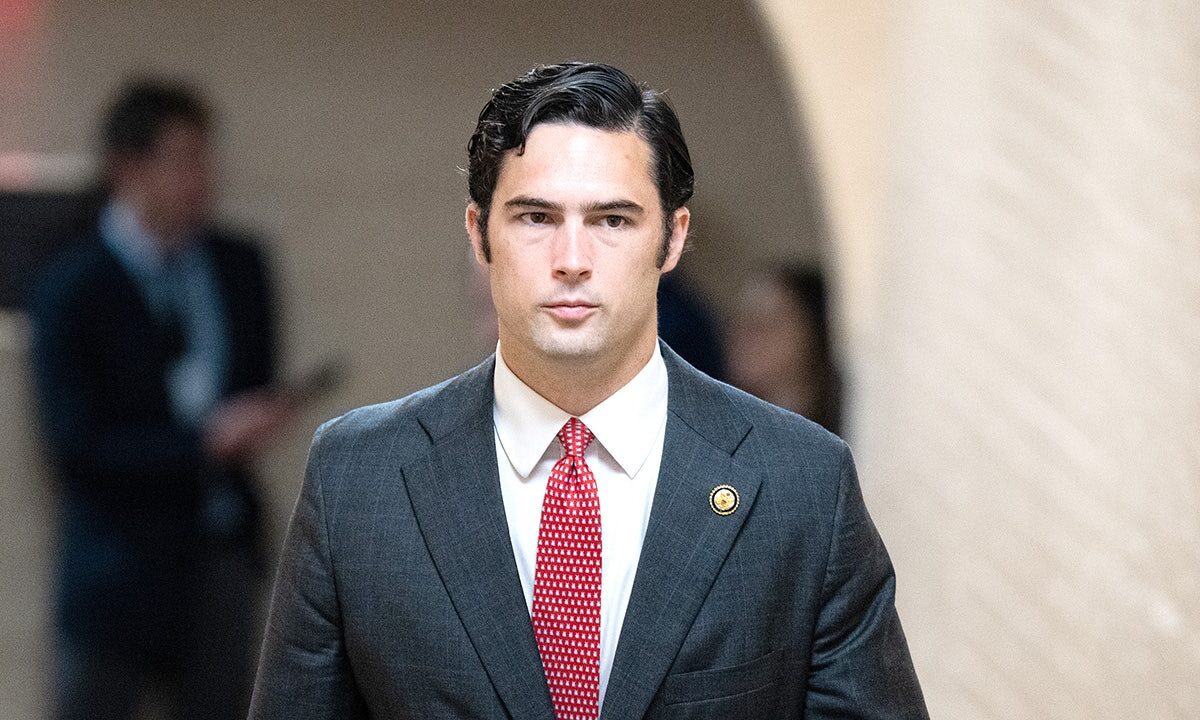
Rep. Brandon Gill on Tuesday seized on a viral exchange with Smithsonian National Museum of American History Director Anthea Hartig to argue that Democratic socialists are no longer a fringe faction but have become central to the Democratic Party’s identity. Gill raised questions about museum text he said linked ordinary behaviors to “White supremacy culture,” and used the moment to press a broader political argument.
Quick recap of the viral exchange
The moment that set off the debate occurred during Gill’s questioning of Anthea Hartig at the Smithsonian’s National Museum of American History. Video of the exchange circulated widely, with critics focusing on museum text Gill described as associating traits such as politeness with “White supremacy culture.” The clip was widely shared on social media and picked up by national outlets, prompting discussion about how cultural institutions present and frame historical materials.
Gill said he pressed Hartig to explain the language and context of the materials. Supporters of the museum’s work say exhibits often include interpretive language meant to spark discussion about power and history; opponents argue some framings can read as ideological. Nonpartisan outlets reported the exchange and noted how quickly clips of congressional hearings can drive broader media narratives.
What Gill said on Hannity
On “Hannity,” Gill urged Republicans to keep putting progressive officials and lawmakers on the spot. “We have gone so long letting the left say the most crazy, outlandish things,” he said, arguing it was time to make them explain what they mean, particularly when controversial language appears in public institutions.
He called for making progressives answer directly when language used in public-facing exhibits is characterized as offensive or puzzling to ordinary visitors. “I think it’s time that we call the left out on this stuff and put them on the spot and make them answer for this,” Gill said on the program, asserting that clarity will help voters judge whether such framings reflect mainstream positions.
Gill described some progressive positions as extreme and said they risk alienating ordinary voters, calling certain formulations “genuinely insane and objectively offensive.” That phrasing signals his viewpoint and frames the political stakes he sees for Republicans as they aim to define the debate.
Democratic socialists
Gill argued that Democratic socialists have moved from the margins to the center of Democratic politics, and that many rank-and-file Democrats now hesitate to challenge them for fear of upsetting their base. “I think your average rank-and-file Democrat in the House right now recognizes that the Democratic socialists are no longer the fringe in their party. That is the mainstream,” he said.
He pointed to policy positions often associated with Democratic socialists — including stronger criticism of corporate power and calls for expanded social programs — as evidence the party is shifting. Political strategists on both sides watch these shifts for what they might mean with persuadable voters, and Republicans see an opening to highlight contrasts ahead of elections.
How the Smithsonian material factors in
Central to the dispute is the museum material Gill questioned. He pointed to text he said linked commonplace traits with “White supremacy culture,” using the exchange to argue that cultural institutions are presenting politically charged interpretations of behavior and history. Critics say framing elements like politeness in such terms can be jarring if presented without clear contextualization.
Museum professionals and the Smithsonian typically describe exhibit choices as interpretive and aimed at encouraging reflection on historical power dynamics. Those working in museums say context panels, supplementary labels and programming are intended to help visitors understand complex topics rather than to promote a partisan message. Nonetheless, when brief clips of hearings are broadcast, nuance can be lost and debates over intent intensify.
Because exhibit wording and curatorial decisions vary, independent review and reporting can help readers evaluate specific claims. Nonpartisan coverage of the exchange noted both the viral nature of the clip and the broader public conversation it touched off about how institutions present history.
What this could mean for voters and messaging
Gill and other Republicans appear to see political value in amplifying moments that highlight perceived excesses of progressive discourse. By replaying the hearing exchange, they aim to make those ideas more familiar — and potentially less palatable — to average voters. That tactic is part of a broader strategy to define opponents’ priorities and force them into defensive explanations.
How effective that strategy will be depends on whether voters view the museum language and Gill’s characterization as legitimate critique or partisan theater. Some voters may respond to the clarity of the exchange; others may view the issue as symbolic or tangential to everyday concerns like the economy, healthcare and public safety.
Practical next steps could include more congressional questioning of cultural institutions, targeted messaging campaigns from GOP groups, or proposed oversight measures around public exhibits. Gill suggested that pressing progressives in public fora could shift debate dynamics heading into campaign season.
Readers should note that many claims at the center of this debate reflect partisan interpretation. Gill’s statements represent his position as a Republican lawmaker and commentator; they do not by themselves establish the intent behind specific museum language. Independent reporting and the Smithsonian’s own explanations are useful for readers seeking fuller context.
Source: Fox News – Latest Headlines
Short context: The exchange between Gill and the Smithsonian director became a focal point for a Republican media strategy that seeks to spotlight progressive language in cultural institutions and press Democratic lawmakers to explain their positions to voters.