Revolutionary-era taverns were civic hubs where news, politics and private talk intertwined; today’s surviving sites let visitors see how the Founding Fathers and local communities used those spaces.
Quick overview: why taverns mattered
In 18th-century British America, taverns functioned as inns, post offices, meeting rooms and news hubs. They were places where citizens, militia officers and political leaders exchanged information and organized action during the decades that led to the American Revolution.
This guide focuses on three sites you can visit now: Fraunces Tavern in New York City, the reconstructed Raleigh Tavern at Colonial Williamsburg, and Buckman Tavern in Lexington, Massachusetts. Each represents a different preservation approach — original fabric with restoration, full reconstruction, and a local museum interpretation — and each frames its Revolutionary connections through museum work and historical documentation.
Taverns to visit now
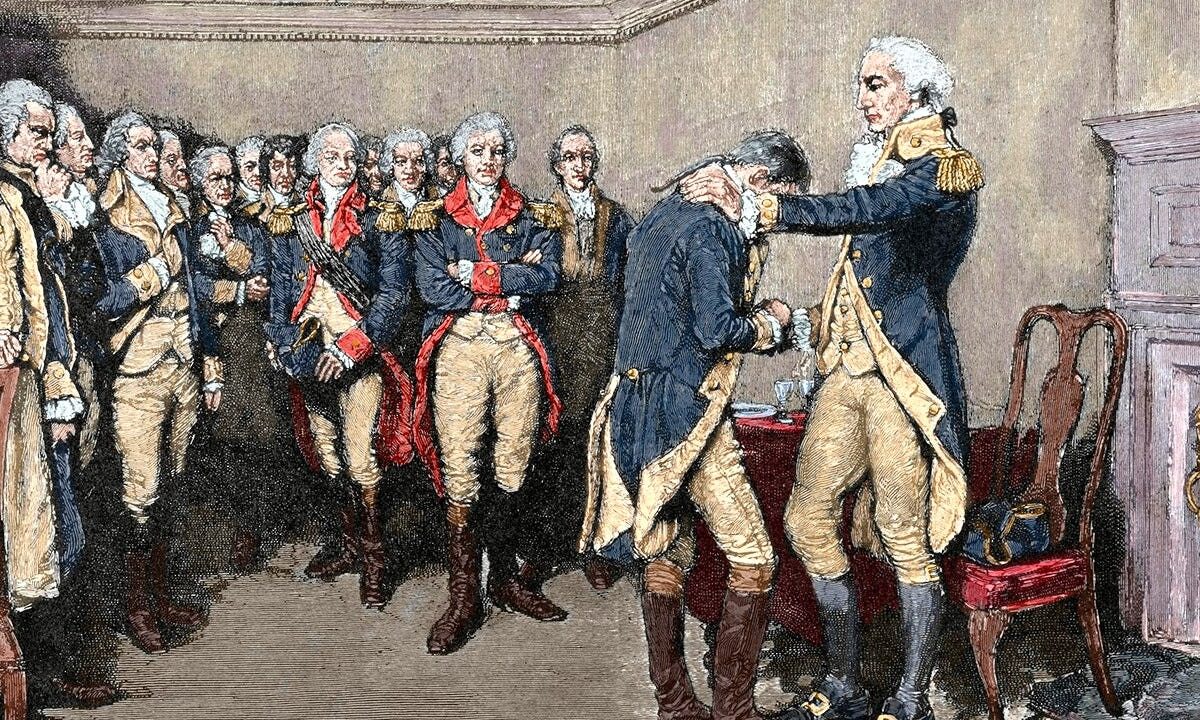
Fraunces Tavern (New York City) — Dating to the early 18th century (commonly cited as 1719), Fraunces Tavern now operates as a combined restaurant, bar and museum. The building has undergone restorations; museum labels and literature indicate which rooms or features are original, restored or altered over time. The site highlights events such as George Washington’s 1783 farewell to officers while noting where documentary evidence is strong and where interpretation fills gaps.
Raleigh Tavern (Colonial Williamsburg, Virginia) — The Raleigh Tavern you see in Colonial Williamsburg is a carefully researched reconstruction erected as part of the living-history restoration of Williamsburg. Colonial Williamsburg presents the tavern and its Apollo Room as an interpretive space demonstrating how lawmakers and citizens met; the organization documents the evidence behind its reconstruction and the choices made in recreating the building’s appearance and function.
Buckman Tavern (Lexington, Massachusetts) — Built around 1710, Buckman Tavern is preserved and interpreted by Lexington History Museums. The tavern is presented as a place where local militia and townspeople gathered on April 19, 1775; museum materials cite local records and scholarship when describing the tavern’s role in the events on Lexington Green. The building includes original fabric alongside museum-era preservation work.
What you can see and eat
Visitor experiences vary by site. Fraunces Tavern combines dining and museum rooms: expect period displays and a full-service tavern menu that often includes New England clam chowder, steaks, burgers and a selection of whiskey, beer and cocktails. Museum signage typically clarifies which artifacts are originals and which are reproductions or period-style complements.
Colonial Williamsburg’s Raleigh Tavern emphasizes interpretation and performance. The reconstructed Apollo Room and adjoining spaces are used for talks, demonstrations and living-history programming that show how legislative and social gatherings looked in the 18th century. There is no expectation that every object is original; the focus is on historically grounded recreation.
Buckman Tavern functions as a house museum with period rooms, artifacts and interpretive panels focused on the militia and town governance. Tours often discuss both everyday tavern life and the specific local records that link the tavern to April 1775. Exhibits make clear which items are original, which are conserved, and which are modern interpretive tools.
How reliable are the claims?
Evidence for events and meetings ranges from well-documented primary sources to later recollections and local tradition. Museums and historic sites typically separate three things in their labels and materials:
Original elements: surviving building fabric or artifacts dated to the 18th century and documented in inventories or conservation reports.
Restored or conserved elements: original features that have been repaired or stabilized; museum texts describe the treatment and why it was necessary.
Reconstruction and interpretation: rebuilt structures or reproduced furnishings intended to represent a historic appearance when the original was lost or significantly altered.
For example, Colonial Williamsburg’s Raleigh Tavern is a reconstruction built to interpret the original 1717 tavern; that reconstruction is documented by the Colonial Williamsburg Foundation. Fraunces Tavern’s story is presented with acknowledgment of restorations and interpretive choices and is listed among historically significant sites in federal registers. Buckman Tavern’s role on April 19, 1775 is presented by Lexington History Museums with reference to local records and scholarly work. For broader preservation context, consult the National Register of Historic Places guidance on evaluating historic fabric and significance.
Plan a visit and sources
Practical tips: check hours and tour or ticket options before you go. Fraunces Tavern sits in Manhattan’s Financial District and combines dining with museum rooms, so allow time for both. Colonial Williamsburg is a wide living-history campus that can take a full day or more to explore; Raleigh Tavern is one interpretive stop among many. Buckman Tavern sits by Lexington Green and pairs well with a walk through Minuteman-era sites and museum exhibits in Lexington.
For more detail and primary museum interpretation, consult each site directly: Fraunces Tavern Museum, Colonial Williamsburg, and Lexington History Museums. For federal-level preservation context and National Register information, see the National Park Service’s National Register resources and Minuteman National Historical Park materials for the Lexington area. These sources help distinguish documented fact from later interpretation when planning a visit.
FAQ
Are Revolutionary-era taverns open to visitors today? Yes. Many operate as museums, restaurants or reconstructed sites. Hours and tours vary; check official sites before you go.
Did the Founding Fathers actually meet at these taverns? Some meetings are documented in contemporary records; other associations rest on later accounts or on museum interpretation. Sites typically explain the evidence supporting their claims.
What should I expect when visiting Fraunces Tavern or Raleigh Tavern? Fraunces blends restaurant service with exhibit rooms and museum panels; Raleigh Tavern at Colonial Williamsburg is an interpretive reconstruction used for programming and demonstrations.
Source attribution and further reading: reporting on tavern history in contemporary media supplemented by primary museum material. Official site resources and institutional pages cited here include Fraunces Tavern Museum, Colonial Williamsburg, Lexington History Museums, the National Park Service (National Register of Historic Places and Minuteman National Historical Park). For a recent media overview see the Fox News piece that compiled these museum narratives. Always consult site pages for current visitor information.
Links: Fraunces Tavern Museum (official), Colonial Williamsburg (official), Lexington History Museums (official), National Register of Historic Places (NPS), Minuteman National Historical Park (NPS), and the Fox News article that compiled several museum accounts.