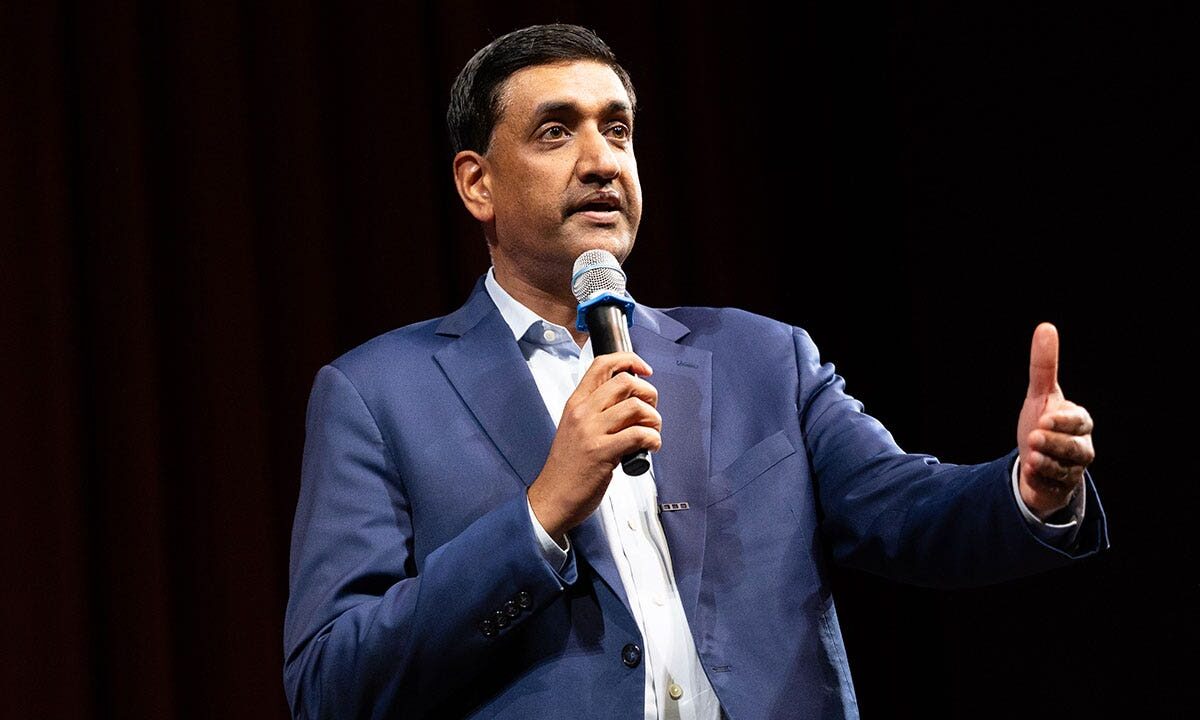
Ro Khanna regrets endorsing Graham Platner, the congressman said in a blunt exchange on NBC’s Meet the Press. “Yes. I got that call wrong,” Khanna told host Kristen Welker, adding that he withdrew his endorsement “as soon as that came out.” The admission came as reporting of a sexual assault allegation against Platner forced the Maine Senate hopeful to announce he would end his campaign.
Khanna’s on-air regret, expressed within the first minutes of the interview, crystallized a rapid series of developments: an allegation dating to 2021 surfaced in recent reporting; several early backers began to distance themselves; and Platner moved to suspend his bid to challenge Sen. Susan Collins. Khanna said the decision to pull his public support was immediate once the new reporting reached him.
Ro Khanna regrets endorsing Graham Platner
Khanna’s reversal came after he had publicly aligned with Platner on several policy positions earlier this year, including opposition to foreign wars and support for progressive health-care measures. On Meet the Press he acknowledged that policy alignment had been a factor in his earlier endorsement but said those priorities do not outweigh credible allegations of sexual violence.
“I campaigned with him in June,” Khanna told the show, describing having interacted with Platner on the trail. He said that, in hindsight, he and others who offered rapid endorsements should have exercised more scrutiny and been more cautious about elevating a first-time Senate candidate without deeper vetting.
Allegation and campaign fallout
Reporting by national outlets detailed an accusation that an ex-girlfriend alleged sexual assault by Platner in 2021. The report prompted swift reaction within Democratic circles and led Platner to announce he would be ending his campaign for the U.S. Senate in Maine. Party leaders, outside groups and individual endorsers faced pressure to explain their earlier support or to withdraw it.
In the days after the story ran, endorsements and campaign appearances dating to June were scrutinized, and several prominent Democrats reassessed public ties to Platner. The rapid unraveling of the campaign highlighted both the speed at which reputational damage can spread in modern politics and the challenges campaigns face responding to serious allegations that surface after endorsements have been made public.
Khanna’s earlier comments and why he reversed
Earlier this year Khanna appeared on CBS’ Face the Nation and — responding to prior coverage — suggested elements of the reporting left open questions. On that program he referenced language that he interpreted as indicating “no harm, no injury,” a phrase he used to explain his initial reluctance to sever ties immediately.
But after the most recent reporting, Khanna said he changed course and publicly withdrew his endorsement. He framed his reversal as an exercise in accountability: endorsers must be prepared to update their position as new facts come to light and to accept responsibility for mistakes in judgment.
Khanna emphasized to Welker that endorsers should do more than react; they should anticipate and investigate potential red flags before lending their names to a candidate. That, he suggested, is part of the duty of national figures who weigh in on local races.
What this means for Democratic vetting
The episode underscores persistent questions about how the Democratic Party, advocacy groups and prominent officials vet candidates before offering endorsements. Khanna called out organizations and leaders that also revised their positions after the reporting, including Planned Parenthood, which drew scrutiny for its endorsement processes amid the fallout.
Voters rely on endorsements as signals of judgment, experience and alignment; when those signals appear premature or poorly vetted, trust can erode. The Platner case may prompt party committees, national advocacy groups and senior lawmakers to formalize more rigorous background checks or to delay public endorsements until more comprehensive vetting has been completed.
Some Democrats argue for standardized pre-endorsement practices — from simple background checks to interviews with former partners or associates when allegations might arise — while others warn such measures must be balanced against privacy and fairness. Khanna’s public regret, he said, should be a modest step toward restoring confidence by modeling prompt accountability.
Implications for campaigns and accountability
Practically, the immediate impact is local: Maine’s Senate race lost a candidate who had drawn attention and early national support. More broadly, the incident is likely to influence how national figures weigh endorsements, especially for newcomers in high-stakes contests. The reputational risk of endorsing a candidate who is later accused of serious misconduct now appears sharpened in an era of rapid reporting and social media amplification.
Khanna framed his withdrawal not as a political calculation but as a moral one: endorsers must be prepared to own mistakes publicly and to change course when evidence demands it. Observers say swift public responses can limit long-term damage to party credibility, but they also highlight the limits of quick, high-profile endorsements in a volatile news environment.
Source attribution
This account draws on reporting from Fox News and broader coverage that prompted Platner to end his campaign, as well as Rep. Khanna’s interview on NBC’s Meet the Press. For reporting and additional context see Fox News and The New York Times coverage; Khanna’s remarks are on Meet the Press.
Sources: Fox News; The New York Times; Meet the Press.
For clarity, allegations referenced here are drawn from published reports and remain allegations unless proven in a court of law.