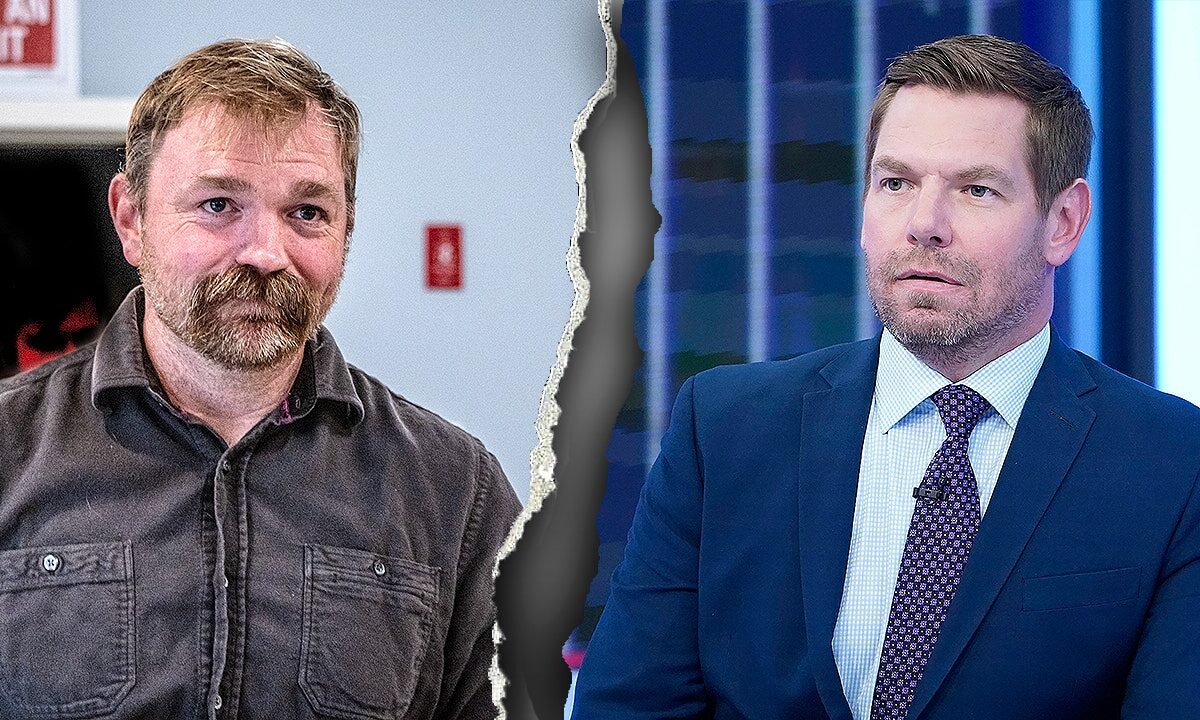
Sen. Ruben Gallego on Monday announced he had rescinded his endorsement of Maine Senate nominee Graham Platner, calling newly reported accusations “troubling and deeply serious.” Gallego said in a post on X that he could no longer back Platner given the latest reporting, a decision that follows his earlier withdrawal of support for Eric Swalwell this year.
What Ruben Gallego announced
In a short public statement on social media, Gallego said he was withdrawing his endorsement of Platner and described the allegations laid out in recent reporting as “troubling and deeply serious.” The senator did not provide new evidence in his statement; rather, he framed the move as a response to reporting that he said made continued support untenable.
The rescission is notable because it comes after another high-profile reversal: Gallego pulled his endorsement of Eric Swalwell earlier this year amid separate misconduct allegations. Those consecutive withdrawals have prompted scrutiny of Gallego’s vetting process and political judgment as he continues to leave open the possibility of a 2028 presidential bid.
The allegations and reporting
Two national outlets have published accounts that underpin the controversy. The New York Times reported in early June on multiple former partners who described episodes they said were harmful; the Times wrote that one accuser said incidents left her “shaken and afraid.” The Times story included detailed interviews and context about Platner’s past relationships. (Read the New York Times reporting here.)
Politico published a separate account by Jenny Racicot alleging that Platner entered her home uninvited in late 2021 and “forced her to have sex,” according to its reporting. Politico said it reviewed communications Racicot shared with a therapist and spoke with people she identified as confidants. Platner has denied the allegation; his campaign has called the claims false. (See Politico’s coverage here.)
News organizations emphasize these are reported allegations, not criminal convictions. Coverage by outlets including The New York Times and Politico details accusers’ accounts, the material those outlets reviewed and Platner’s denials. Reporters have noted differences in accounts and that corroborating evidence has been a focus of the reporting.
Gallego’s earlier withdrawal over Eric Swalwell
Earlier this year Gallego withdrew his endorsement of Eric Swalwell amid separate allegations of sexual misconduct that received national attention. Swalwell denied the accusations then as well. That prior reversal has shaped how pundits and some Democratic lawmakers view Gallego’s recent action: some critics argue the senator should have exercised greater caution before endorsing; defenders say he reacted appropriately once fuller reporting emerged.
Reactions from Democrats and commentators
Responses have ranged across the political spectrum. Sen. John Fetterman and other Democrats publicly urged colleagues to take allegations seriously and to prioritize accountability; some commentators on the left pressed for clearer vetting standards. Pod Save America co-hosts and other progressive influencers debated the trade-offs between protecting a Senate majority and the need for ethical scrutiny of candidates.
Conservative critics seized on the pair of endorsement reversals as evidence of poor judgment by Gallego, framing the decisions as politically damaging ahead of a competitive general election in Maine. Democratic operatives countered that Gallego’s rescissions demonstrate responsiveness to new reporting and that party leaders must weigh both electability and character when making rapid decisions in a fast-moving news cycle.
Political implications for Maine and Gallego’s ambitions
The controversy complicates Democrats’ path in Maine, where party leaders face a compressed timetable to respond if a nominee withdraws or is disavowed after the primary. With the general election season still months away, party officials must decide whether to stand by the nominee, press for a withdrawal, or prepare a replacement if circumstances and state rules allow.
For Gallego, the episode raises questions about political judgment and vetting as he remains publicly open to a 2028 presidential bid. Repeated high-profile endorsement reversals can feed narratives about a candidate’s decision-making and readiness for national leadership; supporters argue that timely corrections are evidence of accountability rather than negligence.
How Maine voters, Democratic activists and national donors respond in the coming weeks will influence both the immediate race against Sen. Susan Collins and broader assessments of Gallego’s instincts on personnel and political risk ahead of any potential presidential campaign.
Source notes and attribution
This article draws on reporting by The New York Times and Politico, and coverage by Fox News. Specific reporting cited includes The New York Times’ June feature on accounts from former partners (see: NYT) and Politico’s reporting on Jenny Racicot’s allegation (see Politico homepage: Politico). Additional context on reactions and politics referenced reporting by Fox News (Fox News).
Note: Allegations described in this article are reported claims. Graham Platner has denied the specific accusations referenced in the reporting cited above. The article preserves those denials and the outlets’ reporting; it does not assert criminal guilt.