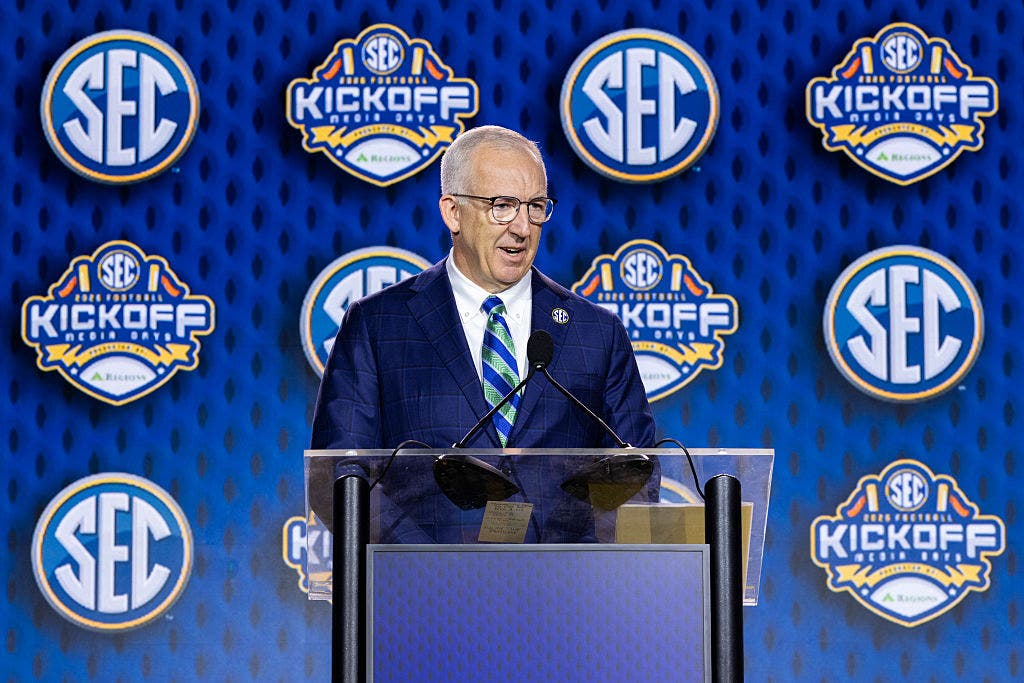
At SEC Media Days in Tampa, SEC commissioner Greg Sankey sought to tamp down talk of an SEC breakaway while the University of Michigan released a Jenner & Block culture review that will lead to Athletic Director Warde Manuel stepping down later this year.
The remarks in the Marriott ballroom and the university’s release intersected in tone and timing: both touched on governance, oversight and how much power conferences and campuses should hold over their athletics programs. Sankey appeared intent on framing the SEC as an institution still capable of self-governance even as federal and state scrutiny intensifies.
What Sankey said at SEC Media Days
Sankey addressed reporters on the first day of SEC Media Days, responding to questions about whether members were quietly planning to split from broader college athletics governance. He acknowledged the discussions exist but sought to limit them as a bargaining narrative. “They’re real. People have talked about that,” he said, and added, “We have regulated ourselves more aggressively by choice than other colleagues around the landscape.”
He framed the conversation as a debate over authority and responsibility rather than imminent structural upheaval. With hundreds of coaches, administrators and nearly 1,000 media members in Tampa, Sankey repeatedly redirected attention to day-to-day conference management — scheduling, officiating, and compliance — while deflecting talk of a formal breakaway.
Michigan culture review and Warde Manuel outcome
Michigan released a summary of findings from a nearly seven-month Jenner & Block investigation that the university said cost roughly $12 million. The audit examined culture, reporting and accountability inside the athletics department after a series of personnel controversies and outside inquiries.
The university and the report acknowledged positives alongside shortcomings. The summary said, “The culture review found that Warde Manuel demonstrated important leadership strengths, particularly his commitment to student-athletes.” At the same time, the investigators concluded there were “failures to quickly and effectively act on allegations of wrongdoing by Athletic Department employees,” and that those lapses left gaps in consistent oversight and reporting.
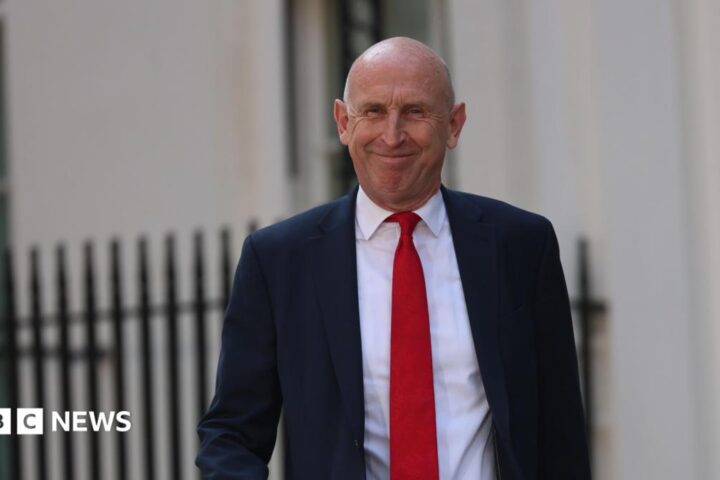
Michigan framed the findings as a rationale for leadership change. The university announced Manuel will step down at the end of the calendar year to allow for an orderly transition and implementation of Jenner & Block’s recommendations aimed at strengthening oversight and accountability.
How past probes and scandals set the stage
The Jenner & Block review followed a string of earlier probes that helped set expectations for an outside audit. Michigan has been managing several NCAA inquiries, personnel investigations and an FBI interest tied to a football staff member. Those matters, along with the high-profile firing of former coach Sherrone Moore after allegations involving a staff member, prompted questions about whether internal controls were sufficient.
Combined, the prior actions exposed weaknesses in how allegations were handled and whether reporting channels produced timely, consistent responses. The outside review aimed to determine if leadership, structure and practices matched the university’s stated standards for accountability.
What this means for college athletics governance
The convergence of Sankey’s comments and Michigan’s report during SEC Media Days underscores growing tensions over who should set rules and enforce them in major-college sports. If power conferences lean toward tighter self-regulation, they argue they can address issues more quickly. Critics say self-policing risks inconsistent outcomes across institutions.
That debate has drawn legislative attention. Senators, including Ted Cruz and Maria Cantwell, have signaled interest in federal oversight or legislative fixes for college sports. Lawmakers are watching whether conferences and the NCAA will adopt stronger, uniform safeguards — or if they will continue to rely on internal systems that some critics say have failed in high-profile cases.
The Michigan findings add a concrete example for those arguing regulation should include stricter reporting requirements and independent review mechanisms. How conferences respond — through policy changes or new compliance incentives — could influence whether Congress views self-regulation as adequate or in need of statutory remedies.
What comes next and immediate fallout
Michigan set a clear timeline: Manuel will leave at the end of the calendar year, giving the university months to name interim leadership and begin implementing the report’s recommendations. Observers will be watching how quickly Michigan moves to recruit a permanent successor and whether the university adopts Jenner & Block’s suggested structural changes.
At SEC Media Days, the broader calendar of the season will quickly refocus attention on coaches and teams — from LSU and Lane Kiffin headlines to Texas and recruits like Arch Manning — but the institutional questions raised by the Michigan review will remain. Expect follow-up reporting on how the recommendations are operationalized and whether conferences revise their self-governance frameworks in response.
In the near term, universities and conferences may announce additional audits, compliance hires or policy tweaks. Lawmakers could press for hearings or proposed legislation if they judge internal reforms insufficient. The next several months will test whether the combination of internal reviews, conference-level adjustments and public scrutiny leads to durable governance changes.
FAQ
What did Greg Sankey say about an SEC breakaway at SEC Media Days?
Sankey acknowledged conversations among members but downplayed immediate plans to split off. He emphasized the SEC’s preference for strong self-regulation and said the conference has chosen to regulate itself more aggressively than some peers.
What did the Jenner & Block review find about Michigan athletics?
The review praised Manuel’s commitment to student-athletes but identified failures to act quickly and effectively on allegations by athletic department employees. It highlighted gaps in oversight, reporting and consistent enforcement while noting it did not find department-wide, pervasive misconduct.
When will Warde Manuel step down and what happens next?
Michigan announced Manuel will step down at the end of this calendar year. The university plans an orderly transition and said it will work to implement the review’s recommendations to strengthen oversight and accountability.
Source: Fox News – Greg Sankey addresses SEC breakaway talk as Michigan tries to steal spotlight with AD Warde Manuel decision
Related reporting and documents include Michigan’s announcement and the Jenner & Block summary: Michigan athletics investigation