Pennsylvania Gov. Josh Shapiro told CNN, “I think what our party has to go through that will be very healthy … is to have a battle over what we believe in,” arguing Democrats must pair activist energy with concrete plans to govern. Shapiro warned that while enthusiasm matters, nominees must show how they will deliver results for voters facing economic and healthcare pressures.
Josh Shapiro on party direction
On State of the Union, Shapiro framed the moment as an intra-party test: Democrats should debate priorities so voters understand both values and the practical ability to achieve policy outcomes. “To have a battle over the ideas that we are going to hold on to and campaign on and then deliver on as a way to make people’s lives better,” he said, according to CNN’s airing of the interview.
Shapiro emphasized electability and governance: mobilizing the base is not enough if policy promises do not translate into measurable improvements in people’s daily lives, particularly as many families cope with rising costs and healthcare access problems.
Chevalier upset and her platform
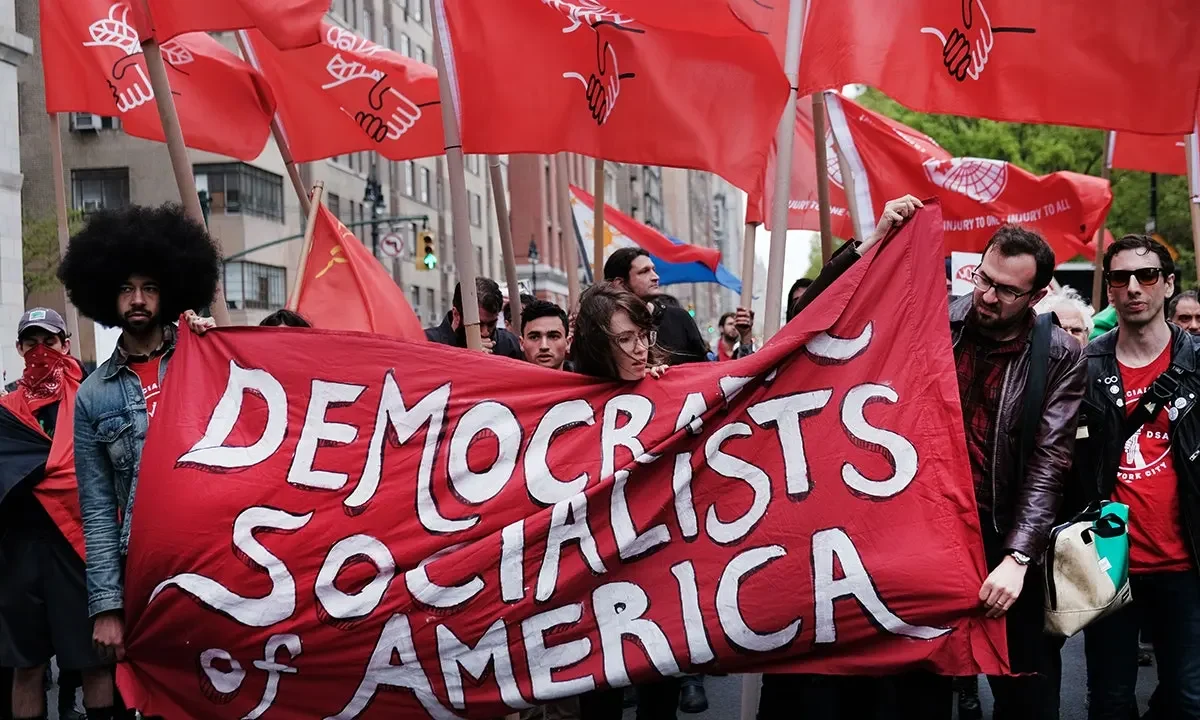
Darializa Avila Chevalier, a member of the Democratic Socialists of America, scored an upset over long-serving Rep. Adriano Espaillat in the Democratic primary, according to NY1 and the Associated Press. With more than 86% of expected votes reported, NY1 showed Chevalier leading roughly 49.4% to Espaillat’s 45.9% as returns came in; the Associated Press projected her the winner.
Her campaign emphasized progressive policies including Medicare-for-all, abolishing ICE, housing and education reforms, and confronting corporate influence. Supporters pitched the result as a mandate for change in the district; critics cited concerns about past social media posts and ideological labels, which campaign spokespeople have pushed back on while refocusing attention on local needs.
Electability versus activist energy
Shapiro used the outcome as a concrete example of the trade-offs facing Democrats. He argued that rhetoric and movement-building must be paired with credible, implementable plans that can win general elections and produce tangible benefits for constituents.
“It’s one thing to speak in platitudes during a campaign. It’s a whole other thing to actually deliver for people who are genuinely hurting,” Shapiro said, warning that parties must consider which nominees best translate advocacy into policy that eases economic pressure and addresses healthcare concerns.
That message fits a long-running debate inside the party: whether insurgent, activist-driven candidates will sustain electoral success and enact policy, or whether a more pragmatic approach better positions Democrats to respond to voters’ pocketbook priorities.
Implications for Democratic primaries
The Chevalier victory may prompt party leaders and strategists to reassess candidate recruitment, messaging and primary dynamics. Endorsements and organized progressive networks — including local figures linked to Zohran Mamdani and groups within the Democratic Socialists of America — helped propel the insurgent bid.
For districts where the general election is competitive, party operatives may push for clearer plans showing how nominees will govern and win broader coalitions. Yet the result also underscores that in dense, diverse urban districts, insurgent campaigns can prevail by energizing and turning out targeted constituencies.
Political analysts will study turnout and vote patterns in Upper Manhattan and the Bronx to understand which messages resonated and which organizing tactics proved decisive. Those lessons could shape how Democrats balance ideological appeal with electoral pragmatism ahead of 2026.
What comes next
Expect continued debate among state and national Democrats over how to couple progressive goals with deliverable plans. Shapiro’s remarks signal pressure on candidates to articulate both vision and feasibility.
Observers will watch whether similar insurgent upsets appear elsewhere and how party infrastructure responds — through messaging, endorsements or recruiting efforts — to influence future primaries and general-election positioning.
FAQ
What did Josh Shapiro say about the party direction?
Shapiro told CNN the party should have “a battle over what we believe in,” urging a debate that leads to ideas Democrats can campaign on and then deliver to improve people’s lives.
Who is Darializa Avila Chevalier and what did she campaign on?
Chevalier is a Democratic Socialists of America member who ran on progressive priorities — including Medicare-for-all, abolishing ICE, and housing and education reforms — and framed the win as a new start for the district.
How close was the primary result and where did votes come from?
With most returns reported, NY1 showed Chevalier at about 49.4% and Adriano Espaillat at about 45.9% with more than 86% of expected ballots counted. The district covers parts of Upper Manhattan (including Harlem) and sections of the Bronx.
Source attribution and next steps
This report draws from the Fox News account of the interview and local vote reporting, CNN’s coverage of the Governor’s comments, NY1’s election returns, and Associated Press projections used to confirm the outcome. Read original reporting and context from these outlets: Fox News, CNN, NY1, Associated Press.
Questions that remain include final certified vote totals, the campaign’s responses to criticisms about past social posts, and how national Democratic leaders will alter recruitment and messaging strategies in response to insurgent wins. Watch local certification updates and statements from national party officials for developments.