
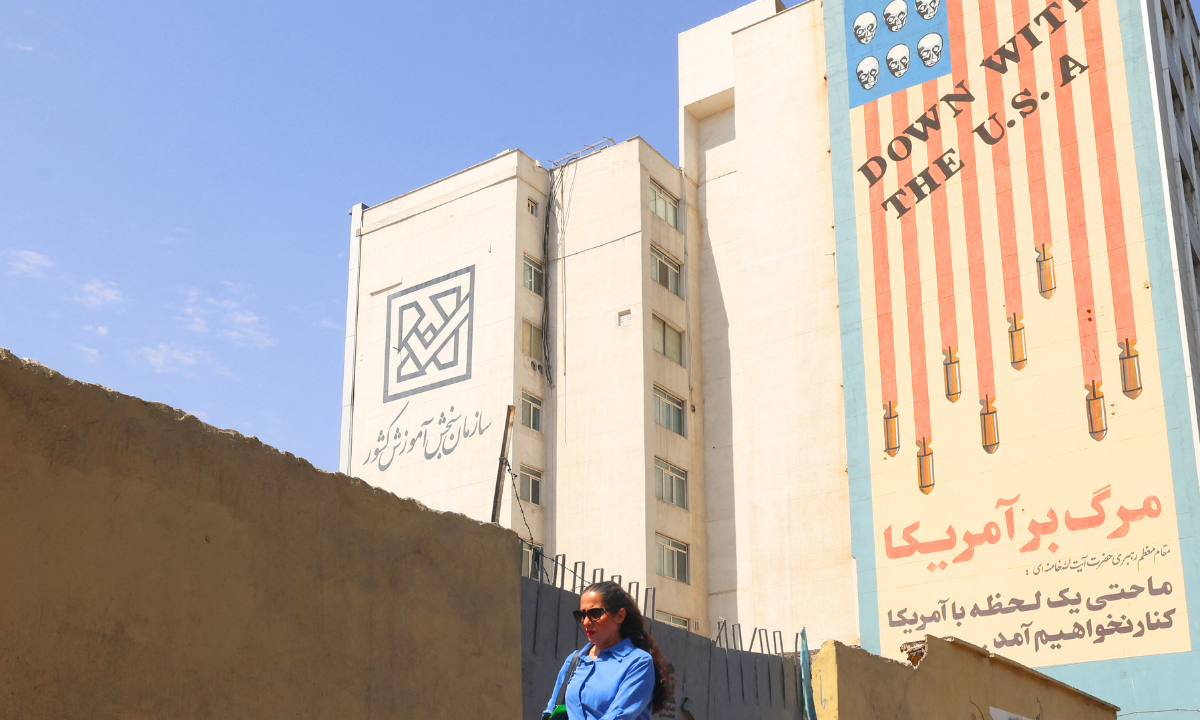
The State Department issued a renewed worldwide travel warning after an attack in Jordan killed two American service members and prompted security evacuations in Aqaba. The advisory — issued as an updated “Worldwide Caution” — urges U.S. citizens overseas to stay vigilant, monitor local developments and follow guidance from nearby U.S. embassies and consulates.
The warning follows what U.S. military officials described as an Iranian-linked missile and drone attack in Jordan that authorities say resulted in U.S. military casualties and left at least one service member unaccounted for. The U.S. Embassy in Amman issued security alerts and Jordanian authorities ordered temporary evacuations at the international airport and seaport in Aqaba, citing a specific and credible threat, U.S. and Jordanian officials said.
What the State Department worldwide travel warning says
State Department guidance restates the long-standing “Worldwide Caution,” warning that the security environment is complex and can change rapidly. The advisory specifically urges U.S. citizens to monitor local developments, enroll in the Smart Traveler Enrollment Program (STEP), and follow instructions from U.S. embassies or consulates. The department said threats could target U.S. facilities, nationals or locations associated with the United States.
In-line with the warning, the State Department said Americans should maintain situational awareness, limit exposure by avoiding areas where U.S. citizens congregate and have contingency plans in case their local security situation deteriorates.
Details of the incident in Jordan
U.S. military officials said the attack involved missiles and drones and that two American service members were killed; another service member was reported missing. The incident prompted immediate security responses from U.S. and Jordanian authorities and raised concerns about the potential for the conflict to spill beyond battlefield areas.
The U.S. Embassy in Amman issued alerts advising U.S. citizens to avoid the Aqaba international airport and seaport after Jordanian authorities announced evacuations for those facilities while they assessed threats and conducted security operations, the embassy said. Local officials also restricted movement in parts of southern Jordan as they investigated the attack and secured affected areas.
How this affects travelers now
Travelers should expect practical disruptions: commercial flight cancellations, temporary airspace closures, heightened security at ports of entry and slower processing at checkpoints. Airlines and regional authorities may reroute flights or impose no-fly periods; U.S. military and aviation authorities are monitoring regional airspace for safety, U.S. officials said.
For passengers transiting through the region, plan for sudden itinerary changes and longer layovers. Ground transport may be limited near key ports and airports, and tourists or foreign workers in affected areas may face temporary shelter orders or curfews instituted by local authorities.
What U.S. citizens should do
Follow these concrete steps to reduce risk and stay informed:
- Enroll in the Smart Traveler Enrollment Program (STEP) so the nearest U.S. embassy or consulate can contact you in an emergency and send security updates. Enroll in STEP.
- Monitor local news and official U.S. embassy or consulate channels (social media and alerts) for real-time instructions; the U.S. Embassy in Amman has posted security notices and updates, the embassy said.
- Keep a low profile: avoid demonstrations, U.S.-affiliated sites and predictable routines that could draw attention. U.S. officials warned that locations associated with the United States may be at higher risk.
- Check with your airline before travel and be prepared for cancellations, reroutes or longer processing times; consider flexible tickets or alternative routing away from affected airports.
- Maintain an emergency kit: charged phone, portable charger, essential documents, local currency and emergency contacts, and identify nearby safe shelters or embassy-assisted locations.
If you are in Jordan or neighboring countries and believe you may be at risk, contact the nearest U.S. embassy or consulate immediately for guidance. U.S. military officials said they are coordinating with diplomatic partners to assist U.S. citizens and service members.
Frequently asked questions
How do I enroll in the Smart Traveler Enrollment Program (STEP)?
Enroll online at the State Department’s STEP portal to receive security updates and allow embassies to contact you in an emergency: mytravel.state.gov/s/step. Enrollment is free and typically takes only a few minutes.
Could this advisory cause flight cancellations or closed airspace?
Yes. U.S. and local officials have warned that continued military activity can prompt commercial flight cancellations and temporary airspace closures. Confirm flight status with your airline and expect possible delays or reroutes.
Should I contact the nearest U.S. embassy or consulate now?
If you are in a country affected by this advisory or feel you may be at risk, contact the nearest U.S. embassy or consulate for specific guidance. Enrollment in STEP helps embassies reach you during emergencies and provides location-specific updates.
Source and what comes next
Publication date: July 19, 2026. This report is based on official statements and alerts from the U.S. State Department, the U.S. Embassy in Amman, and U.S. military officials. Specific details on casualties and facility evacuations were provided by U.S. military and embassy statements; the State Department issued the updated Worldwide Caution advising U.S. citizens to monitor developments.
What comes next: The situation remains fluid. We will continue to monitor official State Department updates, U.S. Embassy in Amman notices and U.S. military statements and will update this report as new, verified information is released.

