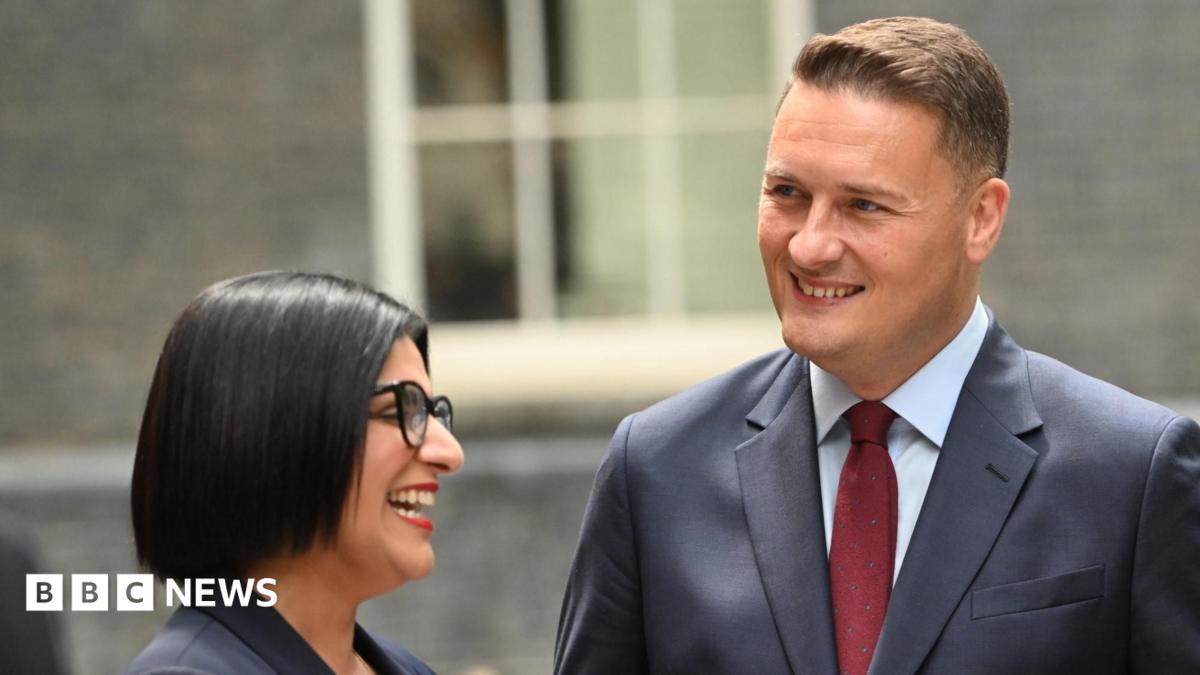
Streeting apologised after comments about early prisoner release were picked up on a live microphone at a public event, the BBC has reported. The apology followed audio said to include jocular remarks by other ministers and has prompted questions about conduct and public accountability.
What was reported
The BBC reported that remarks referring to early prisoner release were audible on a microphone during an event where Wes Streeting was present. According to the BBC’s account, the comments were picked up by a live mic and subsequently reported by journalists covering the appearance.
Those details are presented in BBC reporting and are treated here as allegations based on that coverage rather than independently verified facts. The BBC’s piece is the primary public account of the incident to date.
Streeting apologises
Streeting issued an apology after the audio was reported. In a brief statement, Streeting said sorry for any offence caused and acknowledged that the remarks should not have been made or captured in that setting, according to the BBC report.
The apology did not, as reported, include an extended explanation of intent or wider context beyond expressing regret for the remarks becoming public through the microphone.
Who was heard and what was said
The BBC’s account names other ministers as being audible in the exchange, including the defence secretary and the MP Naz Shah Mahmood (referred to in reporting as Mahmood). The coverage describes those present as making jocular comments referencing the new justice secretary and early prisoner release.
The reporting characterises the exchanges as off-the-cuff and jocular rather than formal policy statements. The specifics presented by the BBC focus on what was audible and the reaction from reporters and attendees when the comments were picked up.
Why this matters for ministers and accountability
Comments caught on microphones can have reputational impact for ministers, especially when they touch on sensitive issues such as prisoner release. Even if framed as humour, such remarks can be cited as evidence of attitudes among senior officials and used by critics to question judgement.
Public accountability relies on ministers maintaining standards of conduct and being mindful that private or informal remarks may become public. Allegations reported by the BBC about off-the-cuff comments can therefore prompt political scrutiny, requests for clarification and demands for formal responses from opposition parties and watchdogs.
It is important to note that the characterisation of these exchanges as jokes and the identification of speakers come from BBC reporting; this article treats them as reported allegations and does not present unverified claims as established fact.
Source and next steps
The BBC News article is the source for the account that comments about early prisoner release were heard on a microphone and that other ministers were heard joking. Read the original BBC report for the full published account: BBC News – Streeting apologises after early prisoner release comments heard on mic.
At the time of reporting there is no indication in the BBC piece of immediate formal disciplinary action. Possible next steps include fuller statements from those involved, internal reviews by ministerial offices, or inquiries if deemed necessary. Any further confirmed developments will provide additional context.
Frequently asked questions
What happened with Streeting?
According to BBC reporting, Streeting apologised after remarks about early prisoner release were picked up on a microphone at a public event. The apology acknowledged the remarks should not have been made or captured in that setting.
Why does Streeting matter?
Streeting is central to this report because the apology came from them and because the incident, as reported, involved senior ministers. Remarks attributed to ministers can affect public confidence and raise questions about judgement.
What happens next?
The BBC report does not describe immediate formal action. Potential follow-ups include additional statements from those named, internal checks within ministerial offices, or inquiries if offices or oversight bodies consider them appropriate.
Attribution: This article is based on reporting by BBC News. See the BBC’s original story for their full account.