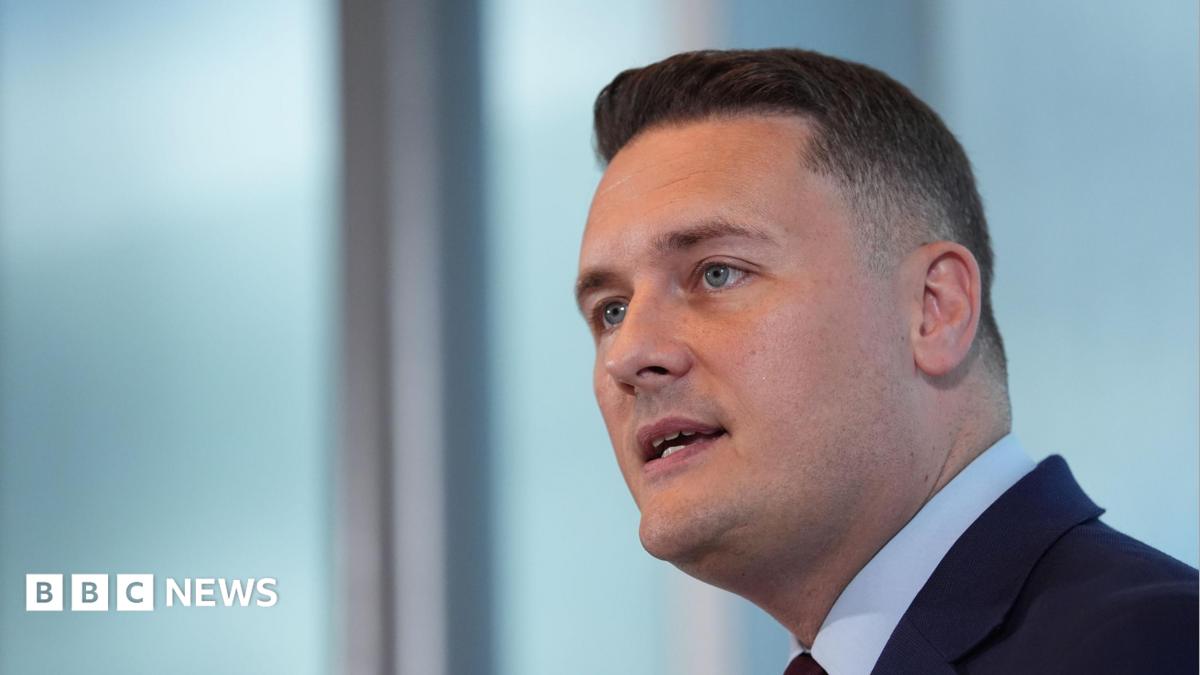
“The ‘cowardice’ of leaders who refused to co-operate was ‘an insult’,” former health secretary Wes Streeting said as he demanded bosses face MPs over a maternity scandal. Streeting told reporters that executives and senior figures who may hold material information should be brought before parliament to answer questions and restore public confidence.
What Streeting said
Streeting said those in positions of responsibility connected to the reported maternity scandal must not be allowed to hide behind internal reviews or corporate procedures. He used the words “cowardice” and called refusal to co-operate “an insult” to those affected, urging that testimony and evidence be given in a public forum so elected representatives can examine what happened.
He framed the demand as a question of accountability: where serious concerns about care and oversight have been reported, the public has a right to see decision-makers questioned in public. Streeting emphasised that parliamentary scrutiny is a legitimate route for seeking answers, not an alternative to legal or regulatory processes but a means of public accountability.

Maternity scandal and the demand for bosses to face MPs
The phrase “maternity scandal” has been used in media reporting to describe a set of concerns about care, oversight and the handling of incidents within maternity services that are the subject of ongoing scrutiny. Streeting’s intervention repeats calls — as covered by BBC News — for external, transparent review rather than leaving investigations solely to internal inquiries.
By asking that bosses face MPs, Streeting is arguing for a visible setting in which executives and senior managers can be asked directly about policies, record-keeping, staffing decisions and responses to incidents. He said that when public services are implicated, parliamentary oversight provides a channel for public questions to be tested and for explanations to be placed on record.
How MPs can hold bosses to account
Parliamentary mechanisms give MPs and committees several routes to investigate matters of public concern. Select committees can request written evidence, invite witnesses to give oral evidence in public hearings, and seek documents that shed light on decision-making. In some cases, committees have the power to issue a summons for evidence if witnesses decline to appear voluntarily.
Committees typically begin by assessing whether material already in the public domain warrants a formal inquiry. If so, they set terms of reference, call for written submissions, and schedule oral sessions where executives and officials answer questions under oath-like parliamentary procedures. The findings can be published in a report that sets out recommendations for action, which in turn can prompt regulatory follow-up or changes in practice.
There are practical and legal limits to what parliamentary scrutiny can do: it does not replace criminal or regulatory investigations, and committees must balance transparency with legal constraints such as ongoing prosecutions or the protection of sensitive personal data. Nevertheless, public hearings can expose gaps in policy and oversight and create political pressure for reform.
Reactions and what comes next
Responses to Streeting’s call were varied. Supporters of rigorous oversight welcomed the insistence that leaders who refuse to co-operate should face scrutiny, arguing that public trust depends on transparency. Others cautioned that parliamentary processes must follow established procedures, respect due process, and avoid prejudicing any parallel investigations.
At present it is not yet clear which parliamentary committees, if any, will open formal inquiries specifically aimed at summoning executives linked to the maternity scandal. Committee chairs typically assess available evidence, consult cross-party colleagues and decide whether to launch inquiries. Streeting’s statement increases political pressure on those chairs to consider whether hearings are warranted.
If committees decide to move forward, the first practical steps usually include calls for written submissions and targeted requests for documents. Chairs may then invite named individuals or organisations to give oral evidence in public sessions. Refusal to co-operate with parliamentary requests often leads to increased scrutiny and may be recorded in committee reports, adding to political pressure on organisations to engage.
What comes next
In the short term, MPs and committee staff will review reporting and available documents to decide whether the evidence base justifies a formal inquiry. If it does, committees will set terms for investigation and publish calls for evidence. That process can take weeks or months and will depend on the emergence of substantive new material.
Where witnesses are invited, some will appear voluntarily; others may decline, prompting chairs to consider issuing a summons or to highlight non-co-operation in their reports. Any oral evidence sessions are likely to be public and could be widely covered in the media, creating further pressure for organisational or policy responses.
Frequently asked questions
What did Wes Streeting call for?
He called for bosses and senior figures linked to a reported maternity scandal to be made to face MPs and answer questions, saying leaders who refused to co-operate had shown “cowardice” and that refusal was “an insult” to those affected.
Who did Streeting criticise for not co operating?
Streeting criticised leaders whom he said had declined to co-operate with external scrutiny. His comments were directed at those in positions of responsibility who have, according to media reports, not engaged fully with inquiries or with parliamentary requests for information.
What steps can MPs take to investigate?
MPs can use select committees to request written evidence, hold public hearings where witnesses give oral evidence, seek relevant documents and publish reports with findings and recommendations. Their work can prompt regulatory reviews or further action where appropriate.
Source: BBC News – Top Stories