BBC reporting says Moscow has been encouraging students to sign army contracts; the BBC reports that students recruited for army contracts are being targeted as the Kremlin seeks to sustain its war effort into a fifth year. The claim was published by BBC News – Top Stories on 3 July 2026.
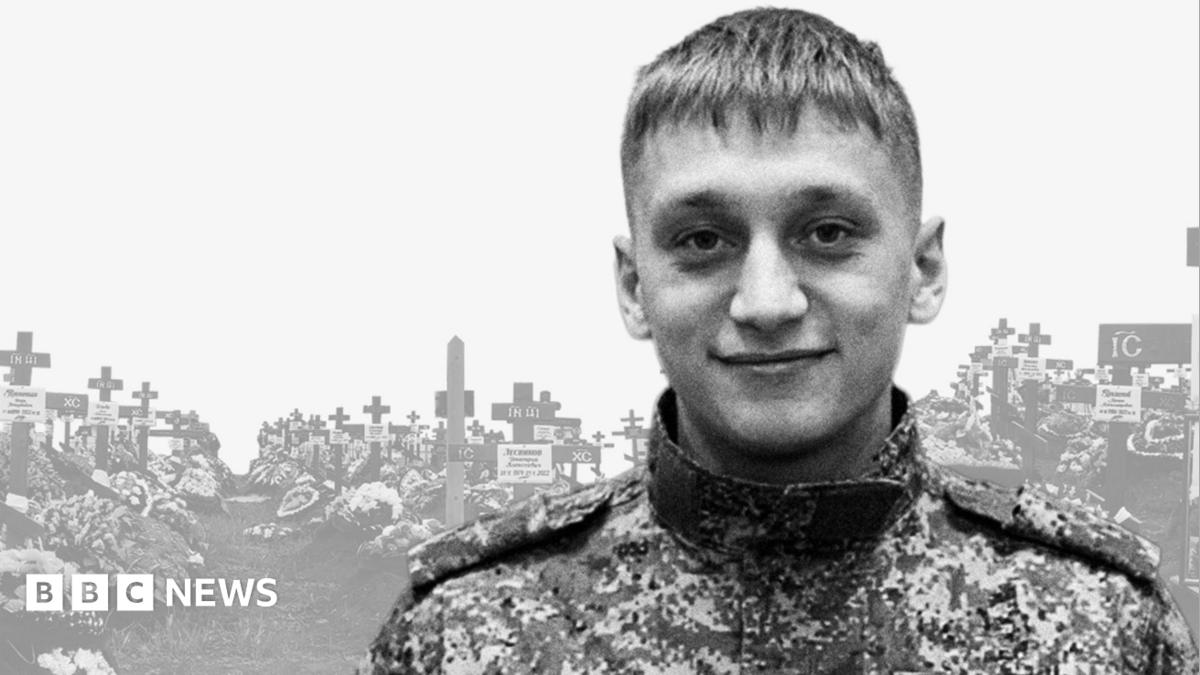
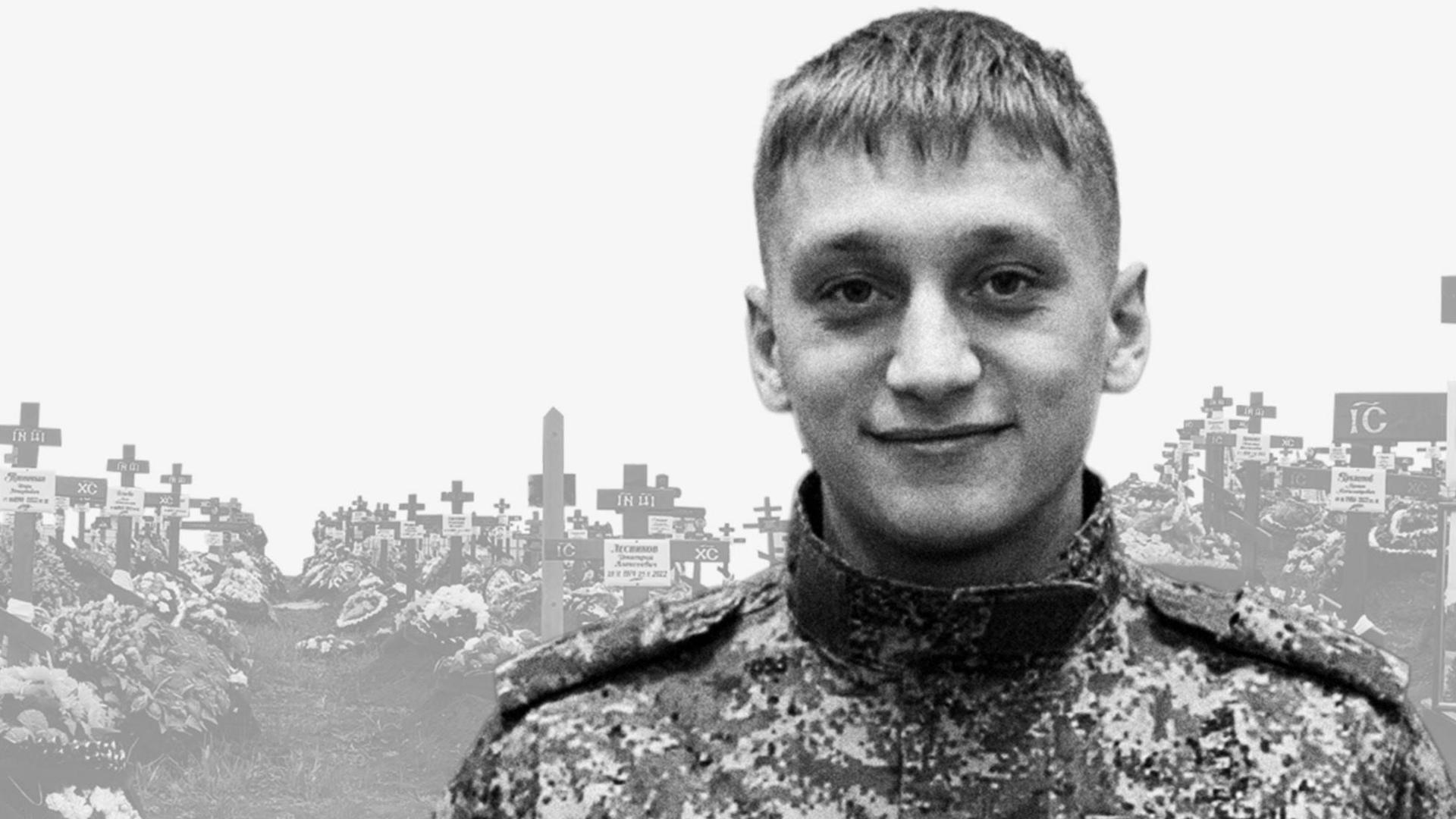
The BBC article, headlined “Russia looks to students to make up for mounting losses in Ukraine,” describes outreach aimed at young people on or near university campuses. BBC-provided images for the report show students entering a campus building in the Moscow area and military recruiters at a public event, which the organisation used to illustrate the story’s on-the-ground reporting.
Students recruited for army contracts: what BBC says
The BBC reports that Moscow has stepped up efforts to persuade students to sign contracts with the armed forces. It frames this as part of a broader mobilisation pattern rather than a single isolated incident, citing observations and interviews gathered during its investigation.
The reporting does not supply comprehensive nationwide enlistment figures or official payroll records; instead it sets out accounts, examples and visual reporting from multiple locations. As the BBC notes, the scale and uniformity of the initiative remain to be independently verified.
Why the Kremlin is targeting students
The BBC frames the reported push as being driven by manpower needs. If confirmed, reaching into student populations would reflect a pragmatic effort to sustain personnel as the conflict extends into a fifth year — a motive the BBC describes as an interpretation of observed activity rather than a direct statement from military officials.
Viewed in context, recruiting younger cohorts could be intended to offset attrition and preserve the armed forces’ operational capacity, according to the BBC’s analysis of the pattern it observed.
How the campaign is reported to work
The BBC outlines several reported methods: recruiters appearing at or near campuses, booths or presentations at public events, and local outreach offering information about the terms of army contracts. In the report, “army contracts” are presented as employment agreements with set service terms and pay, distinct from immediate compulsory conscription.
The BBC’s coverage indicates that offers and incentives vary by place and that materials explaining contract terms have been distributed in some settings. The article does not provide a uniform catalogue of incentives or legal guarantees tied to those contracts.
Impact on students, universities and rights
If the BBC account reflects a wider pattern, students who accept contracts may face interrupted studies, altered career trajectories and deployment windows that complicate degree completion. Those practical impacts could be immediate and personal for individuals who sign up.
Universities may confront reputational and operational questions: whether recruitment is voluntary, whether campus space is being used for outreach, and how institutions should advise students. The BBC reporting does not document systematic university cooperation across the country, so institutional responses appear varied.
There are also civil-rights and labour-law implications. An army contract can impose obligations and penalties; students should be clear on terms before signing. The BBC’s piece reports claims about contract offers but does not provide exhaustive legal analysis, so readers should treat contract descriptions as reported information rather than legal advice.
What to watch next
Stronger confirmation of the campaign’s scale would come from official military statements, regional education ministry responses, internal enlistment records and follow-up reporting that finds consistent practices across multiple regions. Independent documentation of how many students sign contracts and the precise terms they are offered would clarify whether this is a targeted pilot or a coordinated national effort.
Watch for follow-ups published under BBC News – Top Stories and statements from Kremlin or defence officials that confirm, deny or contextualise the BBC’s findings. Verifiable university statements and student testimonials supported by documents would also strengthen understanding.
FAQ
Are students being forced to join the army?
The BBC report describes instances of outreach and persuasion but does not document widespread forced recruitment. Allegations of coercion are reported in some settings, yet the article lacks comprehensive independent evidence that students are being systematically conscripted against their will.
What is an army contract and who can sign one?
In the reporting, an “army contract” refers to an employment agreement with the armed forces, typically specifying a term of service and pay. Eligibility rules and age limits depend on Russian law and military regulations; the BBC report outlines how such contracts are being presented to some students but does not offer a complete legal breakdown of who may sign.
How reliable is the BBC report and where can I read it?
The BBC is an established international news organisation; this story reflects its reporting published on 3 July 2026. The article draws on observations, interviews and imagery but notes limits to independent verification of nationwide scale. Read the original BBC piece for the organisation’s full sourcing and on-the-ground details.
Source attribution
Source: BBC News – Top Stories. Article: “Russia looks to students to make up for mounting losses in Ukraine”, published 3 July 2026. Read the original BBC report: https://www.bbc.co.uk/news/articles/cp8lnnr080go?at_medium=RSS&at_campaign=rss
Caveat: reporting from a single outlet can illuminate trends but typically benefits from corroboration. Independent data or official statements would provide firmer confirmation of the campaign’s breadth and intent.