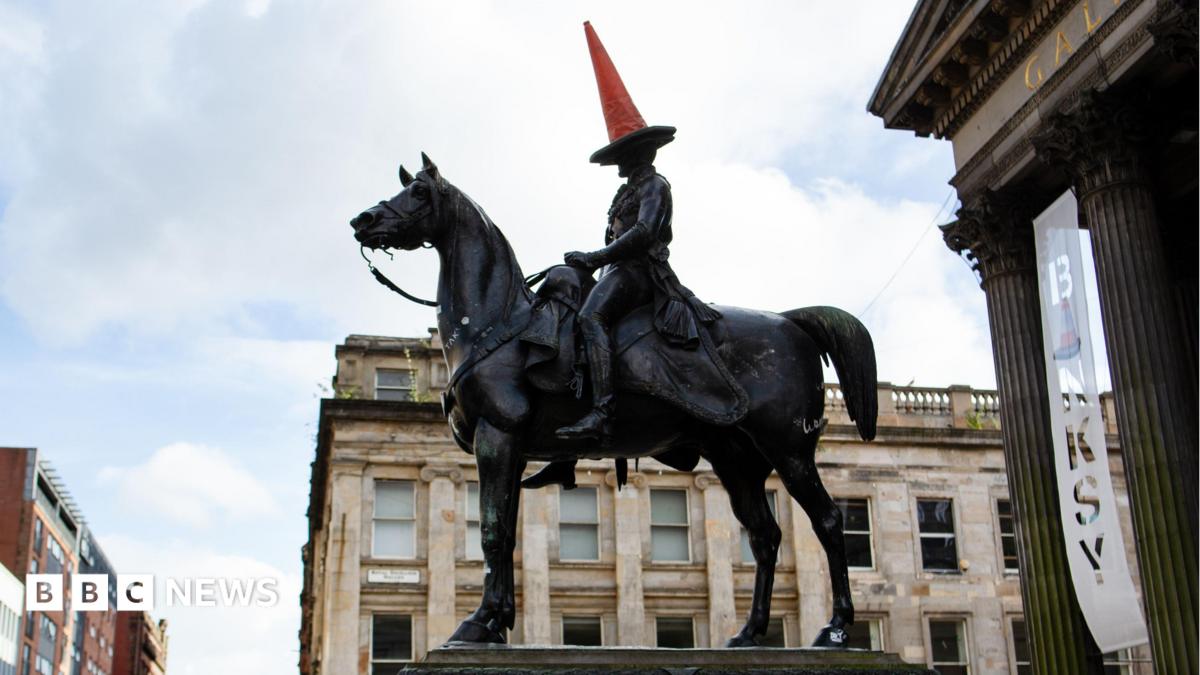
The practice of traffic cone coning — where fans place traffic cones on statues, lamp posts or other public fixtures — that drew attention during the World Cup has resurfaced across Scotland, according to the BBC. The report, published 2026-07-03 on BBC News – Top Stories, says Scotland fans coned statues during the tournament and that the behaviour has since spread back home.
Quick summary: the World Cup prank and the surge at home
BBC reported that Scotland fans coned statues during the World Cup, producing widely shared images and short videos. Those images created a recognisable stunt associated with the Tartan Army’s time at the tournament and, according to the BBC piece dated 2026-07-03, appear to have inspired similar acts across various Scottish towns and cities.
The BBC frames the recent incidents as a surge in local coning tied to the tournament imagery. That wording highlights an uptick in reports rather than a quantified, nationwide count; the coverage links the fan behaviour at the World Cup with subsequent local episodes but does not present comprehensive statistics on how many fixtures or communities have been affected.
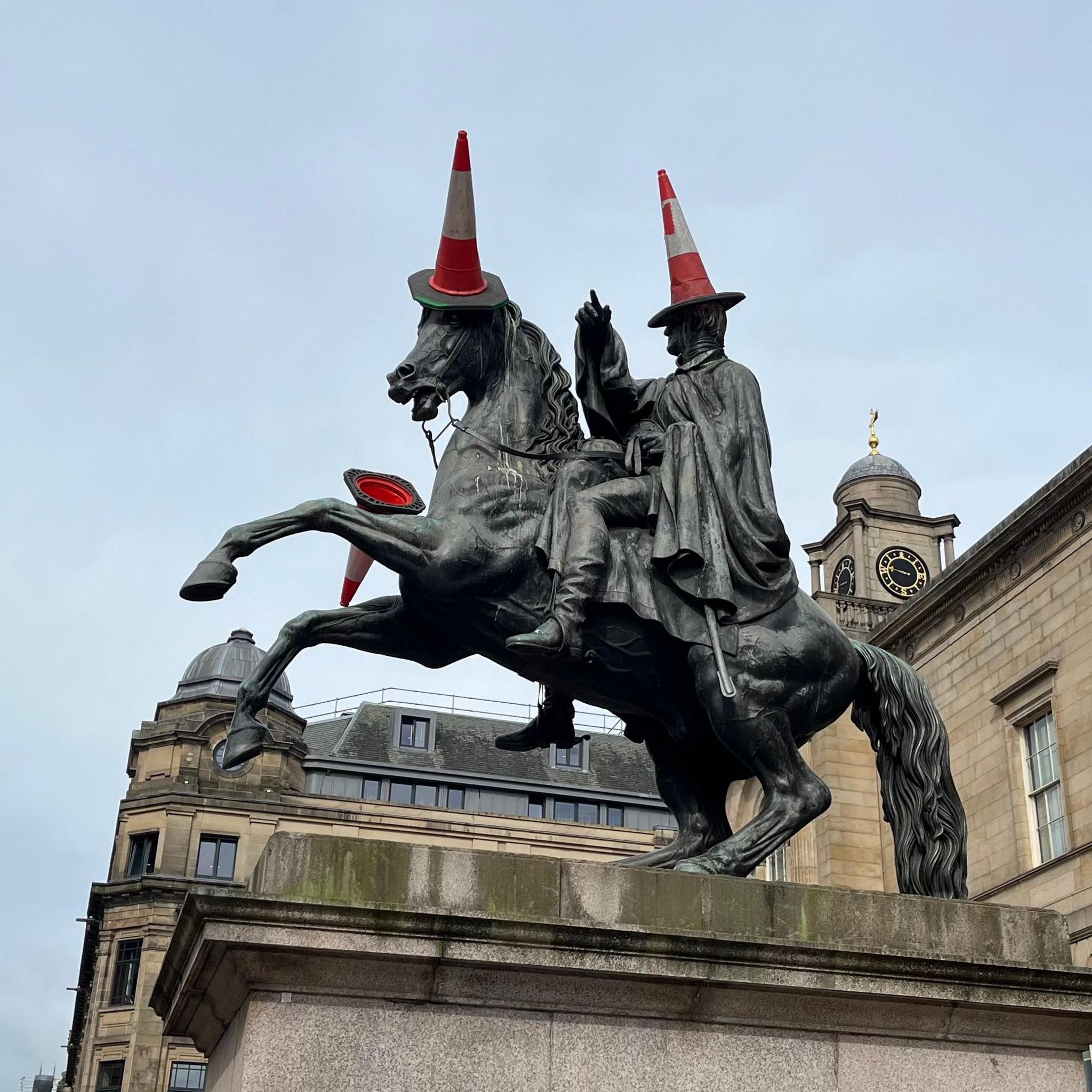
How traffic cone coning spread back to Scotland
The pattern follows familiar dynamics for fan-driven trends. High-profile photographs and short clips from international events travel rapidly across social platforms and in headlines. That exposure creates a simple script others can copy: place a cone, take a photo, and share it. For the Tartan Army, the cone placements were photographed and circulated widely enough that similar stunts began to appear back home.
From a social-media perspective, the stunt is low-cost and highly replicable. It requires minimal coordination, produces a recognisable image, and connects directly to the celebratory story fans were already telling about Scotland’s World Cup presence. According to the BBC report, this combination helped the behaviour migrate from matchday spaces into town centres and public squares in Scotland.
Local reactions: who welcomes it and who objects
Responses are mixed. Many supporters and some local onlookers treat the coning as harmless fun and a light-hearted nod to the Tartan Army’s playful reputation. For those people, the gesture is part celebration, part communal joke — an informal way to extend the tournament atmosphere.
Others are less amused. As the BBC noted, “not everyone has welcomed it” — a phrase that sums up the caution in the available reporting. The BBC article records examples of unease but does not catalogue a large set of named complaints, so it is unclear from that coverage whether opposition is widespread or confined to a small number of local voices.
Practical concerns cited by commentators and by civic teams in similar episodes include potential damage to statues or fixtures, trip or safety hazards if objects are moved, and the recurring cost or labour involved in removals. Local councils and cleaning crews can be put under strain by repeat incidents, and some communities may push for clearer guidance or stepped-up removal efforts.
What this means and what comes next
In the short term, the most likely outcome is a continuation of isolated incidents with occasional media attention and local responses. The BBC describes a surge but does not indicate any country-wide enforcement campaign at this stage, which suggests responses are likely to be handled locally and on a case-by-case basis.
Authorities may monitor repeat hotspots and consider proportionate measures such as reminder campaigns about public behaviour, targeted clean-up operations, or clearer communications about the potential for damage and costs. If incidents increase in frequency or severity, councils and police could move to stronger enforcement or fines, but the BBC report does not document such escalations tied to this particular surge.
Socially, meme-like stunts tend to ebb and flow with news cycles and sporting calendars. If the majority of acts remain ephemeral and contained, the practice may fade as public attention shifts. Conversely, if the behaviour is repeatedly copied in visible locations, it could prompt sustained civic responses.
Outlook and context
The available reporting frames traffic cone coning as a cultural offshoot of a sporting event rather than an emerging national problem. That framing fits how many fan-driven phenomena develop: vivid, easily shared actions spread quickly but often remain sporadic and locally managed.
However, precise conclusions about scale, impact or public sentiment are limited by the BBC’s coverage, which highlights several local examples without offering systematic measurement. Observers should therefore treat claims of a widespread trend with caution and look for corroborating statements from councils, police or community groups if assessing the broader impact.
Source: BBC News – Top Stories. Article published 2026-07-03. Full report: Tartan Army’s World Cup traffic cone high jinks are taking over Scotland.