A judge has authorized prosecutors to obtain Tiger Woods hospital records and related pharmacy files tied to his March vehicle crash in Florida, a procedural step that broadens investigators’ ability to review medical evidence in the DUI investigation. The main order was signed by Judge Darren Steele and implements limits on who may receive the records.
What the judge approved
The court-approved agreement permits prosecutors to request specific medical information tied to the March crash and subsequent treatment, according to court filings. Judge Darren Steele signed an order that implements negotiation terms reached between Woods’ defense team and the State Attorney’s Office; the filings say the order confines access to a defined set of recipients rather than allowing public disclosure.
Under the order, prosecutors may seek records from medical providers and pharmacies, but distribution is limited to prosecutors, law enforcement investigators, state-designated experts and Woods’ defense counsel, the filings show. The restriction is intended to allow a full evidentiary review while protecting medical privacy under applicable law.
Tiger Woods hospital records: Which records are covered
According to the agreement described in court documents, the records that may be requested include medical charts and treatment notes from Cleveland Clinic Martin South Hospital tied to Woods’ care after the March 27 crash. The scope also encompasses prescription medication records that were previously produced from a Palm Beach pharmacy covering early 2026 through the end of March, the filings indicate.
The order and the parties’ agreement, as reflected in court filings signed by the judge, spell out that any material produced from the hospital or pharmacy is to be shared only with the limited group of authorized recipients. Those provisions aim to preserve patient confidentiality while permitting prosecutors to examine records they contend are relevant to the investigation.
Reported evidence from the crash
Court filings and the incident report describe a high-speed crash on Jupiter Island in which Woods’ vehicle struck a trailer and rolled onto its side. The incident report, as summarized in filings, states the vehicle was traveling well above the posted 30-mph limit and notes damage to the other vehicle.
Law enforcement reports included in the case files allege that officers observed signs of impairment at the scene. The incident record states that two prescription pain pills were found in Woods’ pocket at the time of the arrest and that he submitted to a Breathalyzer test that reportedly showed no alcohol; he is also reported to have refused a urine test. Those details come from the original incident report and are treated as allegations in the ongoing legal matter.
Legal and next steps in the case
Woods has pleaded not guilty to a charge of driving under the influence. The release of the hospital and pharmacy records to authorized parties gives prosecutors potential access to treatment timelines, medication lists and provider notes that could inform the state’s assessment of impairment and causation, according to court filings and legal observers.
How prosecutors will use the records depends on what they contain and on legal limits tied to medical privacy and evidentiary rules. Defense counsel may review the records and could challenge their relevance or admissibility at future hearings. Any disputes about what evidence the prosecution may introduce at trial could prompt additional court rulings.
The disclosure authorized by the judge does not itself constitute proof of wrongdoing; it provides material the prosecution and defense can evaluate as they prepare potential motions, expert review and, if necessary, trial strategy.
Context and recent developments
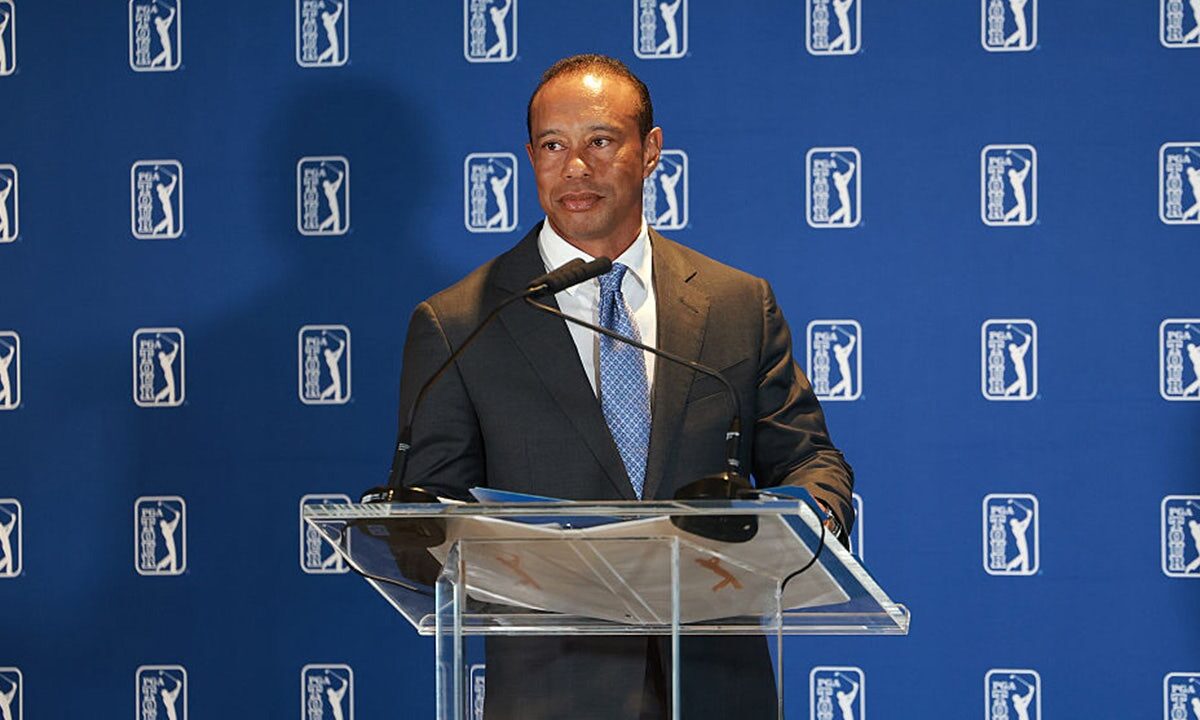
Following the crash, Woods was permitted on April 1 to travel overseas to enter an inpatient treatment program, and he later returned and made at least one public appearance. Court filings note that he introduced PGA Tour CEO Brian Rolapp at a public event after his treatment, and the filings and public statements link Woods to continued involvement with PGA Tour matters.
The case has drawn wide attention because of Woods’ public profile and the legal balance between investigatory needs and patient privacy protections. The judge’s order clarifies the path for prosecutors to obtain medical information while limiting broader dissemination of sensitive records, as described in the court filings.
What comes next
Prosecutors will review the hospital and pharmacy records to assess their significance to the DUI investigation. That review could lead the state to seek expert testimony, file additional motions or pursue trial preparations if the records contain material the prosecution deems probative.
The defense can file challenges to the admissibility of particular records or to the procedures used to obtain them. Any contested use of medical evidence would likely be resolved through pretrial hearings before the judge, according to standard practice described in court filings and legal commentary.
Frequently asked questions
What happened with Tiger Woods hospital records?
A judge approved an agreement, implemented by court order, allowing prosecutors to request medical records from Cleveland Clinic Martin South Hospital and limited pharmacy prescription records tied to Woods’ March crash. The order restricts recipients to prosecutors, law enforcement, state experts and Woods’ defense team, according to court filings.
Why does Tiger Woods hospital records matter?
Those records could provide context about prescriptions, treatment and timing that prosecutors say are relevant to the DUI investigation. Medical and pharmacy records may help corroborate or challenge claims about medication and impairment surrounding the collision; their use would be subject to evidentiary review in court.
What happens next?
Prosecutors will analyze the records to determine their importance. The defense can contest relevance or admissibility through pretrial motions. Any proposal to introduce medical evidence at trial would be resolved by the court after legal briefing and hearings.
Attribution
This story is based on court filings and the official incident report referenced in the case record, as well as reporting by major news organizations. The initial reporting used here includes the Fox News article linked below and reporting by the Associated Press. Readers may consult the cited news reports and the court docket for primary documents and full context.
Sources: Fox News — Judge approves Tiger Woods’ hospital records release to prosecutors after Florida car crash; Associated Press; court filings and the incident report on the March 27 crash.