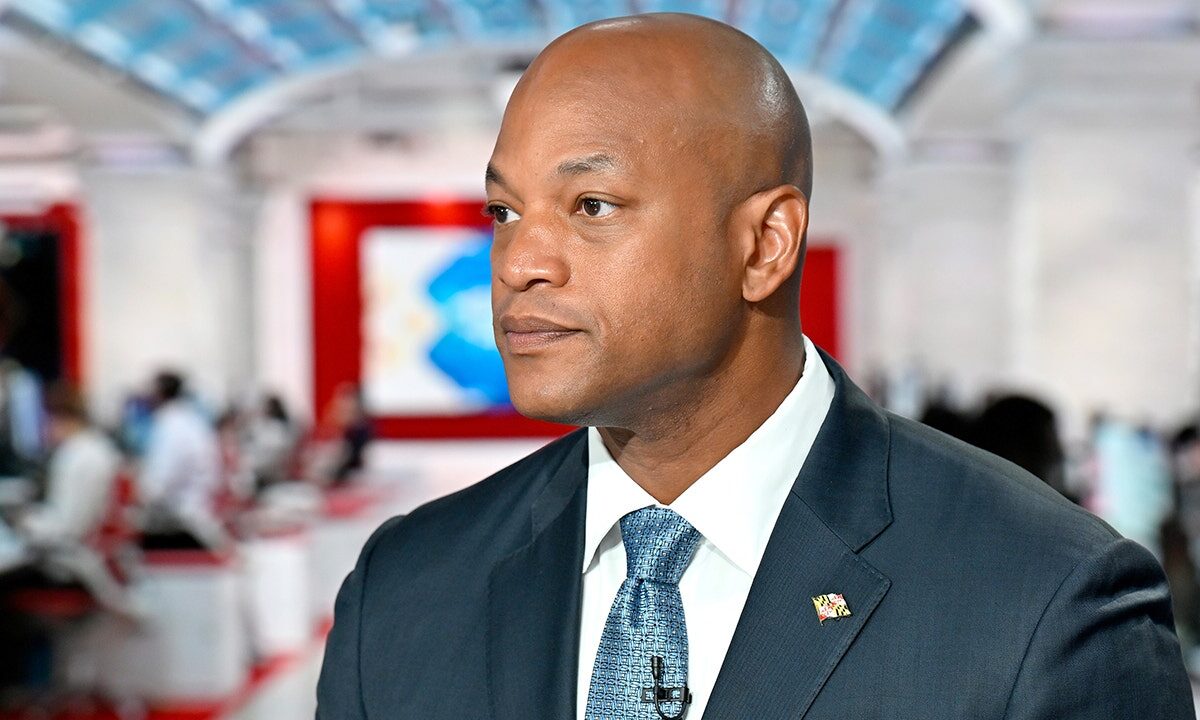
Maryland Gov. Wes Moore praised the new Trump Accounts on The Clay Cane Show, saying the child investment accounts resemble a long-sought “baby bonds” approach and could give children a financial asset that grows over time. “So I actually, this is actually a smart policy,” Moore said on the program, adding that such accounts could be “one of the fastest ways” to address child poverty and help close the racial wealth gap. (Full interview: The Clay Cane Show.)
What are Trump Accounts?
Trump Accounts are a federal pilot program the White House and Treasury designed to seed savings accounts for children. According to White House materials and IRS guidance, eligible children are U.S. citizens under age 18 with valid Social Security numbers. The administration announced an initial $1,000 pilot deposit for children born between Jan. 1, 2025, and Dec. 31, 2028, and said families and third parties can contribute up to $5,000 per year thereafter.
Officials have emphasized that the accounts are intended to be long-term savings vehicles. The published guidance states funds will generally be invested in broad market-tracking index funds rather than individual securities, and withdrawals are restricted until the beneficiary reaches adulthood to preserve capital for goals such as education, homeownership or business startup costs.
Why Moore calls them like baby bonds
Moore repeatedly compared Trump Accounts to the “baby bonds” proposals that Democrats and progressive advocates have pushed for years, arguing the common goal is the same: give every child an asset that can grow and help bridge intergenerational wealth gaps. “One of the fastest ways that you can address both child poverty and the racial wealth gap is actually baby bonds, by giving children a chance to be able to have something that can grow,” Moore told Clay Cane.
He also stressed that the accounts’ investment orientation—broad index funds—matters because it exposes beneficiaries to diversified market returns over time, rather than concentrating risk. “If you can start with something that compounds over 18 years, that changes trajectories,” Moore said. He noted that while savings alone won’t erase deeper structural barriers, starting capital can materially improve opportunities for children from low-income families.
Moore’s caveats on H.R. 1
While praising the Trump Accounts savings component, Moore criticized other provisions packaged in H.R. 1. He argued parts of the Congressional bill — including tax measures he says disproportionately favor the wealthy — run counter to efforts to close the racial wealth gap. “Even though these savings accounts are good things for kids, if you look at the other policies that came in under H.R. 1, we have moved the ball significantly backwards,” he said, pointing to tax cuts and breaks he believes primarily benefit billionaires and private plane owners.
Moore emphasized he is willing to work with the administration when policies help Maryland families, but he promised to oppose measures that he believes would harm progress on wages, housing affordability and broad-based opportunity in his state.
How the accounts work for families
Under the administration’s outline and IRS guidance, Trump Accounts accept contributions from families and third parties up to an annual cap of $5,000. The pilot $1,000 deposit is intended to seed accounts for a defined cohort of births, and the regulatory language specifies that accounts will be registered to individual child beneficiaries to prevent misuse.
The program’s investment strategy, as described by the White House, favors low-cost, broad-market index funds to promote steady growth and limit fees. Early withdrawals are restricted before age 18, although the administration has said distributions at maturity can be used for approved purposes such as higher education, first-time home purchases or starting a business. The IRS materials provide more detail on eligibility verification, tax treatment and reporting requirements for contributors and account custodians.
What comes next
Implementation will depend on regulatory follow-through. The White House and Treasury have issued initial guidance and fact sheets, but agencies may publish more detailed rules and operational guidance addressing custodial arrangements, investment selections, anti-fraud controls and how state programs will interact with the federal pilot. Congress could also weigh in with oversight or legislative changes that expand or limit program scope.
Timelines to expect: the pilot seed deposits have been announced as beginning July 4, 2026; in the months after rollout, agencies typically solicit feedback, issue clarifying regulations and publish enrollment procedures. States, advocates and financial institutions will watch whether the program’s design—contribution caps, investment options, and withdrawal rules—produces equitable outcomes or requires legislative fixes.
Families should prepare by verifying eligibility (valid Social Security number, citizenship criteria) and learning how contributions and tax reporting will be handled. Advocates say equitable access will depend on outreach to low-income and historically marginalized communities, streamlined enrollment and protections against unfair fees.
For now, Moore says he will engage where policies help Marylanders and push back where they do not. His comments and the White House and IRS materials form the core public record on the program’s intent and initial rules.
Source attribution: Moore’s quotes and interview were reported from his appearance on The Clay Cane Show. Reporting and summary of the program details also referenced a Fox News report: Fox News. For official program details, see White House and IRS releases and fact sheets linked from those pages.