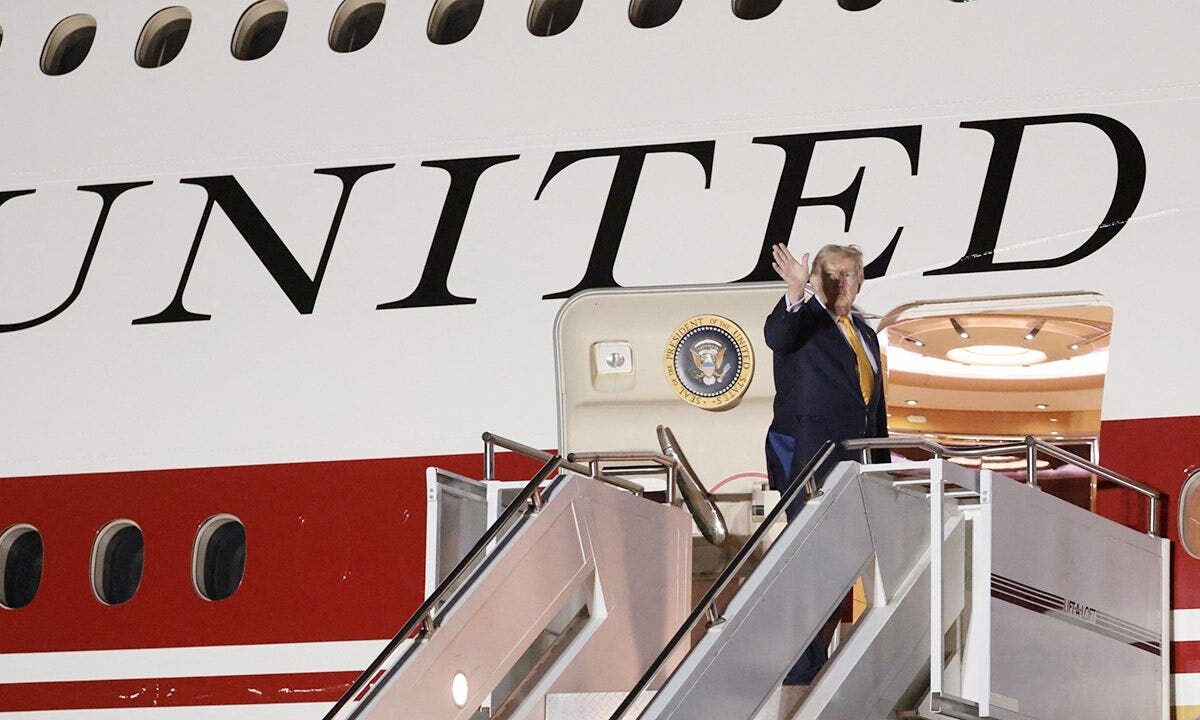
Trump administration subpoenas NY Times journalists, federal officials confirmed, as part of a grand jury leak probe tied to reporting about security concerns around the president’s newly retrofitted Air Force One. The Trump administration subpoenas NY Times journalists after the paper published reporting that raised questions about the aircraft’s protective equipment. Agents delivered subpoenas to the homes of several Times reporters requiring them to testify before a Manhattan federal grand jury, the paper said.
Trump administration subpoenas NY Times journalists
The subpoenas were issued to Eric Lipton, Julian E. Barnes, Tyler Pager and Eric Schmitt and seek testimony before a grand jury sitting in Manhattan. According to The New York Times, some of the subpoenas were physically delivered to reporters’ homes by federal agents.
The New York Times reported that the legal steps followed its article questioning whether a newly retrofitted Boeing 747-8 — the jet gifted to President Donald Trump by Qatar — included certain countermeasure and defensive technologies. The Times relied on anonymous sources for parts of that reporting, including an account that the Secret Service recommended an aircraft swap for security reasons on a recent trip.
What the subpoenas require and DOJ position
The documents compel the named journalists to appear and give testimony to the grand jury and may also seek related documents or communications. Federal grand juries can use compelled testimony as part of leak investigations; attorneys note that grand jury subpoenas are a routine investigative tool in such cases.
In a statement relayed to news outlets, the Department of Justice said reporters themselves are not the targets. “To be clear, reporters are not the targets, those leaking classified information are,” the Justice Department said, according to media reporting. The DOJ emphasized it pursues investigations to protect classified and sensitive information that could affect national security.
Newsroom lawyers and press-freedom advocates say compelled testimony can chill newsgathering. David McCraw, the New York Times’ general counsel, urged caution over the use of such subpoenas and said the presence of federal agents at reporters’ doorsteps should concern those who value a free press.
Allegations in the Air Force One report
The Times’ article described the plane as a Qatari‑gifted, newly retrofitted Boeing 747‑8 and reported that it lacked certain countermeasure technologies, citing anonymous U.S. officials. The piece said the Secret Service recommended a last‑minute switch to an older Air Force One for part of a recent trip because of security concerns — a claim the administration disputes.
Those assertions are grounded in anonymous sourcing and have not been independently corroborated in the public record. The Times framed the story as reporting based on interviews with current and former officials and documents; as with all reporting that relies on unnamed sources, the details represent claims that prompted official review rather than established facts in a court of law.
Government and presidential responses
President Trump denied that security concerns prompted the aircraft swap and posted on his social platform that a stop allowed service members to see the new jet. The White House and presidential aides have pushed back against implications that the move reflected an urgent risk to the president.
The DOJ reiterated the difference it says exists between enforcing rules against unauthorized disclosures and protecting press freedoms. The department said it values the role of a free press while also pursuing leaks that could harm national security. The exchange highlights the tension between the government’s obligation to protect sensitive information and the press’s role in reporting on matters of public interest.
Why the subpoenas matter
Compelling journalists to testify raises constitutional and policy questions about source protection and the public’s access to information. Reporters and civil liberties groups warn that forcing journalists to identify sources can deter whistleblowers and reduce scrutiny of powerful institutions.
At the same time, the government argues unauthorized disclosures of classified or sensitive material can endanger operations, intelligence relationships and lives. The Justice Department’s willingness to use criminal investigative tools in leak probes, even in cases touching national-security reporting, signals it may continue pursuing aggressive enforcement in future leak investigations.
Source attribution and what comes next
The New York Times first reported the details of both the Air Force One reporting and the subpoenas to its reporters. The matter has moved into the grand jury phase in Manhattan; grand jury proceedings are confidential, so immediate next steps will likely include appearances by those subpoenaed and testimony from government witnesses.
Possible outcomes range from no charges to criminal charges against government employees accused of leaking classified information, depending on what investigators uncover. Legal challenges are also possible if reporters or the Times seek to quash subpoenas or assert privilege claims before the court.
Observers expect continued debate over balancing investigative needs with protections for newsgathering, and potential litigation could test the limits of reporter privilege in criminal leak investigations.
Read the original reporting by The New York Times: https://www.nytimes.com/2026/07/11/business/media/new-york-times-trump-subpoenas.html
Department of Justice Office of Public Affairs (official site): https://www.justice.gov/opa
Original Fox News reporting on the subpoenas: https://www.foxnews.com/media/trump-administration-subpoenas-ny-times-journalists-grand-jury-leak-probe-tied-air-force-one-report
Source: The New York Times reporting and media coverage cited above. What comes next: appearances before the Manhattan grand jury, potential legal challenges to subpoenas, and ongoing debate between press advocates and the government over how to handle national-security leaks.