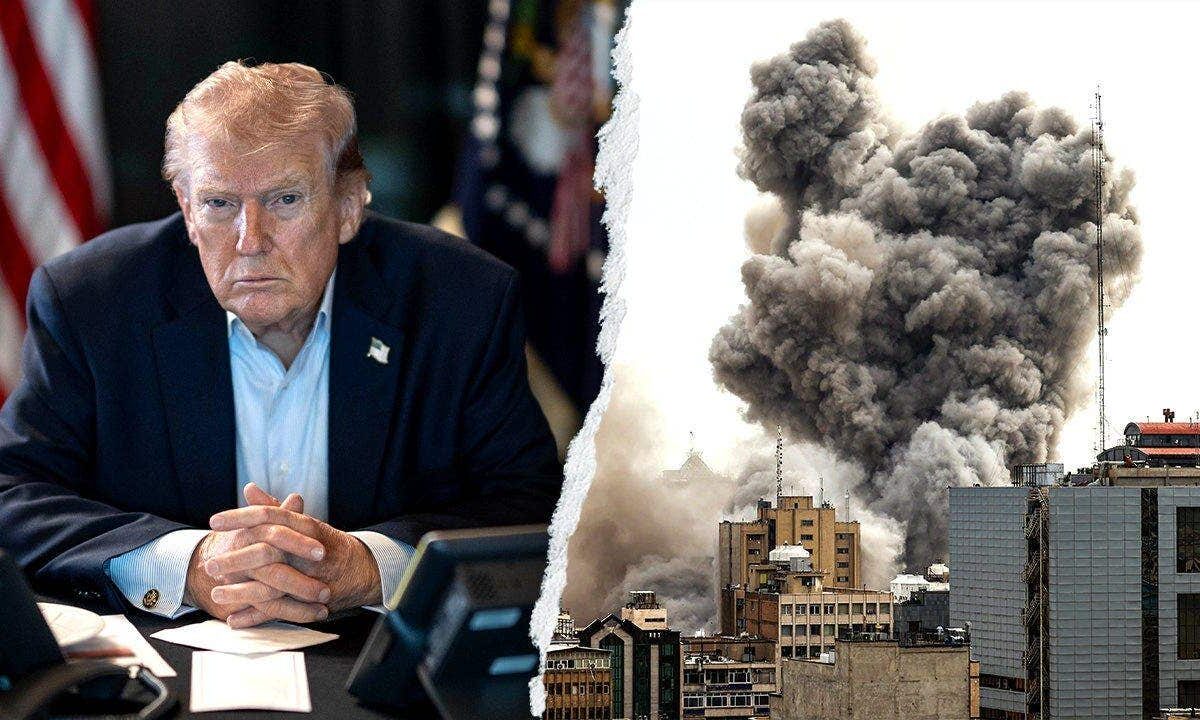
Trump threatens Iran in a Fox News interview with chief foreign correspondent Trey Yingst, saying the United States would target Iranian infrastructure unless Tehran returns to negotiations. “Next week comes the power plants. Next week comes the bridges,” he said, adding, “We’re going to hit them very hard tonight,” in remarks aired on “Special Report.”
Quick facts
- President Trump told Fox News he would expand strikes on Iran and named power plants and bridges as potential targets.
- The interview was conducted by Fox News chief foreign correspondent Trey Yingst and aired on Fox News.
- Fox News reported consecutive U.S. Central Command (CENTCOM) strikes near the Strait of Hormuz over several days.
- The reporting said a U.S. naval blockade was reimposed on Iranian ports in the Strait of Hormuz at the president’s order.
- Fox News reported that traffic through the Strait of Hormuz was down roughly 90% from normal levels on Monday; that figure is unverified here.
Trump threatens Iran: What he said
In the interview, President Trump repeatedly described a stepped campaign of strikes and framed the measures as leverage to bring Iran back to the negotiating table. He told Trey Yingst: “We’re going to hit them very hard tonight. We’re going to hit them hard tomorrow night. We’re gonna hit them really hard the night after.”
He continued: “Next week it gets really bad for them because next week comes the power plants. Next week comes the bridges. We’re gonna knock out all their power plants. We’re going to knock out all their bridges unless they get to the table and negotiate.” Trump characterized the threats as intended to force negotiations rather than to annihilate the country.
The remarks were presented by Fox News as part of its reporting on recent U.S. military activity in the region. The interview transcript and on-air excerpts were attributed to Fox News and Trey Yingst.
CENTCOM activity and shipping impact
Fox News reported that U.S. Central Command carried out consecutive strikes near the Strait of Hormuz over recent days and that, at the president’s order, a U.S. naval blockade was reimposed on certain Iranian ports in the strait. The article also said traffic through the waterway was down roughly 90% from normal levels on Monday.
Those operational claims are reported by Fox News and were cited in the interview. This article flags those operational and tactical claims as unverified: independent confirmation of specific strike locations, scope, and the reported traffic decline was not available at the time of publication.
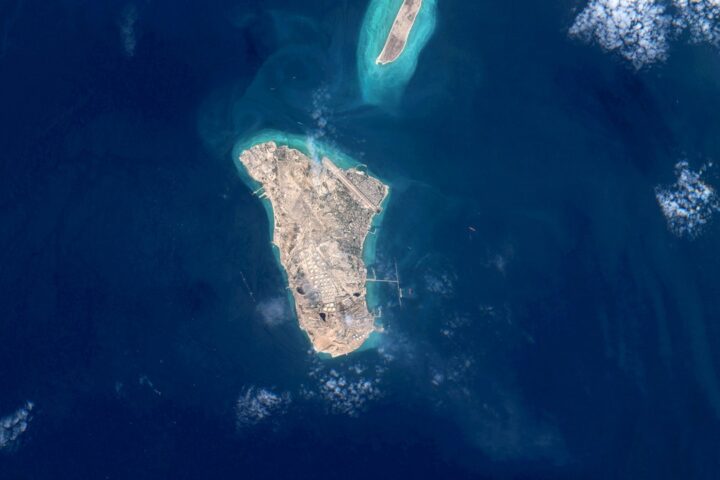
The Strait of Hormuz is a strategic chokepoint for commercial shipping and energy transit. Disruptions there can affect regional security and global maritime traffic; the Fox News report tied the reported CENTCOM moves to the stated objective of keeping the waterway open.
Security and diplomatic context
Trump described U.S. military objectives against Iran as largely achieved, saying the country’s military capabilities have been “degraded to a very low level,” while acknowledging Iran “has some fight left.” He said some U.S. representatives had spoken with Iranian negotiators and framed the threats as leverage to return Tehran to formal talks.
The president downplayed a recent activity at a nuclear site outside Tehran, calling it “not a main concern” and saying the U.S. could strike such a site quickly if necessary. Those operational assessments were presented by Fox News as the president’s statements in the interview.
On economic measures, Trump said he had walked back a planned 20% toll on vessels transiting the strait in favor of encouraging investment and trade deals with Middle Eastern partners; that claim was made on-air and is attributed to the president in the Fox News reporting.
What comes next
Short-term developments to monitor, based on the reporting, include additional CENTCOM announcements or clarifications, any formal U.S. military briefings about strikes near the Strait of Hormuz, shipping advisories from maritime authorities, and diplomatic contact between U.S. and Iranian representatives.
Because the operational claims in the Fox News reporting remain unverified here, official Pentagon statements and independent monitoring will be key to confirming the scope and effects of any reported strikes or naval blockade. Iran’s foreign ministry or state media responses would also be central to assessing escalation or de-escalation.
By the numbers
- Reported drop in Strait of Hormuz traffic: ~90% (figure reported by Fox News; unverified in this report)
- Reported U.S. military objective described by the president: degrade Iranian military capabilities (as stated in the interview)
Frequently asked
What happened with Trump threatens Iran?
Fox News reported that President Trump said he would expand strikes on Iran and named power plants and bridges as potential targets unless Tehran resumed negotiations. The interview was conducted by Trey Yingst and aired on Fox News.
Why does Trump threatens Iran matter?
Threats to target critical infrastructure and the reported CENTCOM activity near the Strait of Hormuz raise the risk of broader escalation in a key maritime route for commercial shipping. Disruptions there can have security and economic consequences for regional and international stakeholders.
What happens next?
Watch for official U.S. military statements about CENTCOM activity, any Iranian government response, shipping notices affecting the Strait of Hormuz, and further diplomatic contacts that could change the immediate risk of escalation. Independent verification of reported strikes and traffic changes is needed to confirm the operational picture.
All claims in this article about strikes, a naval blockade and traffic changes are reported by Fox News and were attributed on-air to an interview conducted by Trey Yingst. Operational and tactical details cited from that reporting remain uncorroborated here and are clearly flagged as unverified. For the original reporting, see the Fox News story linked below.
Source: Fox News — “Trump threatens to expand strikes on Iran” (interview by Trey Yingst).