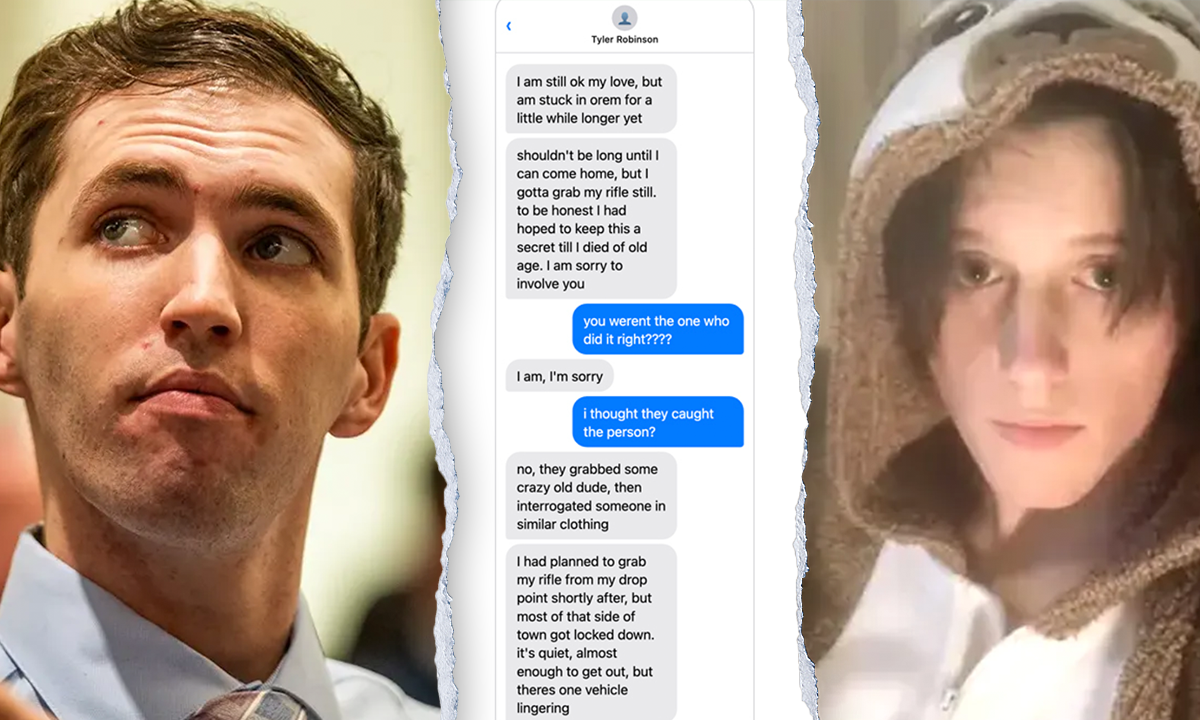
Prosecutors at a preliminary hearing in Orem read what they described as Tyler Robinson alleged confession texts, telling the magistrate that the messages contained an apology, motive language and references to efforts to retrieve a rifle after the Sept. 10, 2025, shooting that injured Turning Point USA founder Charlie Kirk.
At the hearing, the prosecution presented testimony and readings from electronic communications they say were exchanged between the defendant and a roommate. Utah State Bureau of Investigation Agent Brian Davis testified in court about those exchanges and read excerpts into the record, according to court reporting.
What the Tyler Robinson alleged confession texts say
Prosecutors quoted short passages they assert came from Robinson’s phone. The excerpts, as read aloud, included apology language and a line prosecutors cited as motive: “I had enough of his hatred.” That quote was offered in court as part of the prosecution’s attempt to show mindset and alleged motive after the incident.
Other fragments attributed to the defendant describe actions and concerns: references to a rifle left nearby, a request that the recipient delete the exchange and instructions that appear intended to guide the recipient to look for an item. Among the lines read in court were, “Stop what you’re doing. Look under the keyboard,” and, “Delete this exchange.”
The messages also referred to turning oneself in and named a lawyer as a contact. Prosecutors read a line that identified Doug Terry as the attorney to be contacted if law enforcement asked questions. In court reporting, the messages are presented as contemporaneous exchanges following the Sept. 10 event outside a “Prove Me Wrong” appearance at Utah Valley University.
How investigators presented the messages
Agent Brian Davis of the Utah State Bureau of Investigation testified that the exchanges were captured from a phone tied to the defendant and were entered into the record during the preliminary hearing. Prosecutors used the readings to explain alleged post-incident conduct, context and claimed motive.
According to court reporting, the recipient named in the messages was identified as Lance Twiggs, described as Robinson’s roommate. The prosecution presented the texts to the magistrate as part of their case-in-chief in a hearing meant to determine whether sufficient evidence exists to proceed to trial.
At a preliminary hearing, testimony by investigators frequently includes readings of relevant communications to establish timeline and possible intent. The prosecution’s presentation here focused on selected phrases they say are relevant to motive, planning and post-incident actions.
What is unverified or disputed
All content described above is presented in court as alleged and was introduced by prosecutors through testimony. The attributions that the texts were authored by Robinson, the meaning of motive phrases cited, and the connections between the messages and physical evidence remain unproven at this stage.
Notably, the existence or recovery of the rifle referenced in the messages — and any forensic link tying it to the shooting — was not established by the readings alone. Court testimony included lines about concern over fingerprints and leaving a rifle in vegetation, but investigators’ forensic findings and chain-of-custody details are matters for the ongoing investigation and for resolution at trial, if the case proceeds.
Readers should treat the quoted lines as allegations introduced by prosecutors; defense positions, authentication steps for electronic evidence or alternate explanations were not part of the testimony excerpted in the reporting relied upon here.
Legal context and what comes next
The preliminary hearing is a threshold proceeding to determine whether probable cause exists to bind the defendant over for trial on the charges filed by prosecutors. It is not a determination of guilt. If the magistrate finds probable cause, the case will proceed to formal charging, pretrial discovery and potential arraignment and trial scheduling.
If bound over, the defense can file motions challenging evidence authenticity, seek suppression, or litigate other pretrial issues; prosecutors will continue forensic work and may add evidence to their case. Negotiations over pleas are also possible but are separate from the preliminary hearing’s purpose.
Prosecutors in court named Doug Terry in the quoted messages as the contact for legal representation. Agent Brian Davis’s testimony was the vehicle for introducing the texts to the magistrate for the probable-cause determination.
Key takeaways
— Prosecutors read alleged texts they say came from Tyler Robinson that include apology language, a claimed motive statement and references to a rifle.
— The messages were introduced at a preliminary hearing by Utah State Bureau of Investigation Agent Brian Davis and were said to have been sent to roommate Lance Twiggs.
— Authorship, context and physical evidence links referenced in the messages remain unverified in the hearing transcript reported; these points are subject to forensic testing and further court proceedings.
Reporting on the hearing and the quoted lines is based on court testimony cited in Fox News coverage of the proceeding. For the original reporting, see: https://www.foxnews.com/us/accused-charlie-kirk-assassin-allegedly-confessed-texts-apologized-described-motive-agent-testifies.
Source: Fox News — article on the preliminary hearing and the alleged exchanges involving Tyler Robinson.