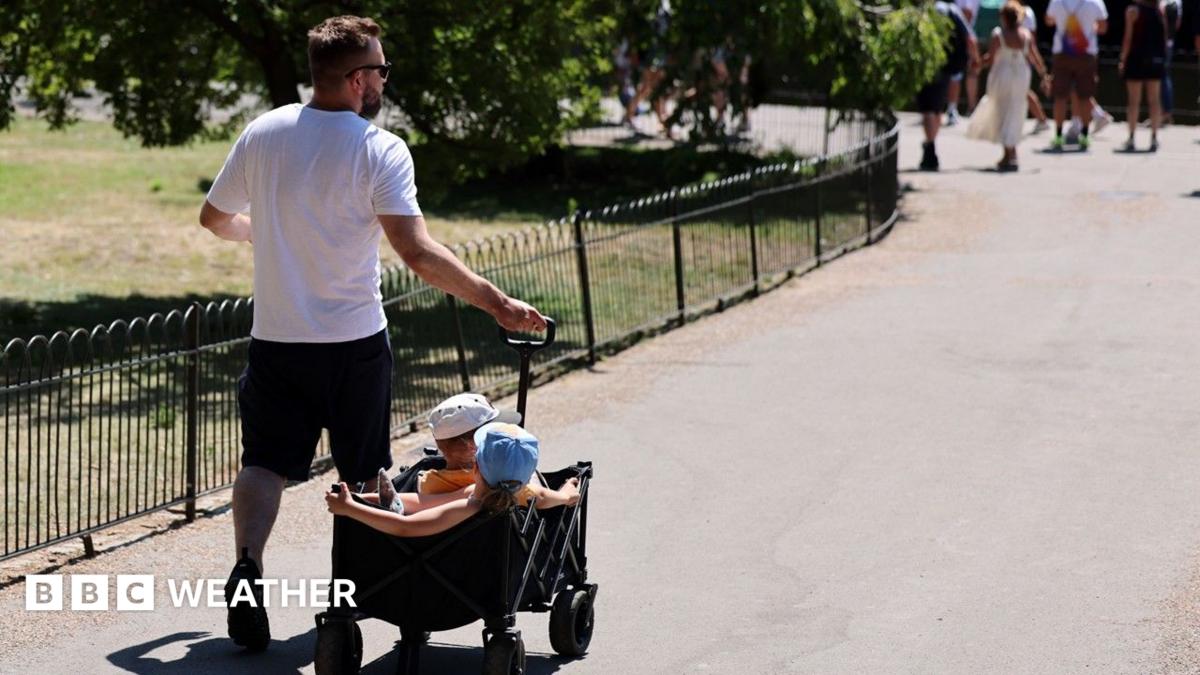
The UK heatwave has broken a new temperature record as readings exceeded 34C for the eighth day this year, with 35C highs reported in parts of the country. The milestone was reported on 2026-07-09 and surpasses the previous calendar-year figure of seven days over 34C.
Forecasters say hot conditions are likely to continue into next week, though confidence varies by region and a change in the pattern could bring cooler air or showers. Officials and weather services are urging people to take precautions on travel and when planning outdoor activities.
UK heatwave: record eighth day
On Thursday, temperatures exceeded 34C for the eighth time this year, a new calendar-year record. Several areas reported daytime peaks around 35C as the warm spell continued to cover much of England and parts of Wales.

National meteorological services logged the series of hot days and described the development as notable for the time of year; monitoring continues for any further extremes or localised spikes. These figures are based on consolidated meteorological reports rather than single-site readings.
Where temperatures are highest
The highest readings were concentrated in southern and central parts of the UK, where 35C highs were most commonly reported. Lowland areas and inland locations typically saw the strongest daytime heating, while northern and upland zones tended to remain cooler.
Coastal locations experienced warm, sunny conditions but benefited in some places from sea breezes that limited the peak temperature. Overnight temperatures remained comparatively elevated in built-up areas, reducing relief between daytime and night-time extremes.
Impact on travel and daily plans
Hot weather can affect transport networks and outdoor events. Rail operators may impose speed restrictions on certain routes to reduce the risk of heat-related track problems, which can lengthen journey times and lead to altered timetables.
Road surfaces and local services can also be affected; earlier departures and travel outside the hottest hours are advisable where possible. Event organisers and venues may alter schedules, offer shaded areas or move activities indoors to reduce heat exposure for participants and staff.
If you have travel planned this week, check operator updates before departure and allow extra time for journeys. For longer trips, consider flexible bookings, travel insurance options that cover delays, and carrying water and sun protection while waiting at stations or stops.
Health precautions during the heat
With 35C highs, straightforward heat-safety measures are strongly recommended. Stay hydrated, avoid strenuous physical activity in the hottest part of the day, and keep living spaces ventilated or shaded where possible.
Look out for vulnerable people — older adults, young children and those with chronic health conditions — who can be more affected by heat. If someone shows signs of heat exhaustion, such as dizziness, rapid heartbeat or nausea, move them to shade, cool them gradually and seek medical advice if symptoms are severe or persistent.
Employers should consider changes to working arrangements for outdoor staff, such as earlier start times, additional breaks and access to cool drinking water. Individuals should use sunscreen, wear loose, light-coloured clothing and seek shade during peak afternoon hours.
Outlook: will the heatwave continue next week?
Forecasters indicate the heatwave is likely to continue into next week, but they emphasise uncertainty in the medium-term pattern. A change in large-scale atmospheric conditions could bring cooler air or showers to parts of the country, so short-range forecasts should be consulted for local detail.
Weather services are issuing regular updates and refining guidance as model runs evolve; the most likely near-term scenario is continued warm spells with the possibility of locally higher peaks before any sustained break in the pattern.
Quick forecast summary
- Short term: continued hot, mainly dry conditions with 30s Celsius likely in many lowland areas.
- Next few days: isolated showers remain possible, with the greatest chance where Atlantic systems edge eastwards.
- Uncertainty: forecasts beyond seven days carry greater uncertainty and may change as models update.
Frequently asked questions
How long will the heatwave last?
Current forecasts point to the heatwave continuing into next week, but the timing of any relief is uncertain. Meteorologists stress that the situation can change as large-scale weather patterns evolve and model guidance is updated.
Is it safe to travel during 35C highs?
Travel is generally possible but may be slower and subject to operational changes. Check for operator notices, allow extra time, stay hydrated and consider travelling outside the hottest hours where practical.
What precautions should I take in the heat?
Drink plenty of water, avoid strenuous outdoor activity during peak heat, wear light clothing and protect skin from sun exposure. Check on vulnerable neighbours and follow public-health guidance if needed.
For the latest local updates and specific travel advisories, consult transport providers and local authorities before departing.
Source: BBC — UK bakes in 35C highs as heatwave to continue next week. Report published 2026-07-09T23:08:58Z.