The US Iran stand down was reportedly agreed after a weekend exchange of strikes, officials told reporters, with both sides accusing the other of breaching a prior ceasefire. The claim, first reported by BBC News, said Washington and Tehran agreed for their forces to “stand down” following separate attacks over the weekend.
Quick summary
US officials told reporters that they and Iran agreed for forces on both sides to “stand down” after an exchange of strikes over the weekend, the BBC reported. The move was described as an immediate de-escalation measure rather than a formal, long-term cessation of hostilities.
Details available publicly remain limited. The reported stand down was presented as a way to halt immediate operations and give diplomatic channels time to assess next steps and reduce the risk of rapid escalation.
What the report says about the stand down
According to BBC News reporting, US officials used the phrase “stand down” when describing the arrangement with Iran. The language cited by the BBC suggested forces would reduce offensive operations in the short term, but the outlet did not publish a formal agreement or text of any signed document.
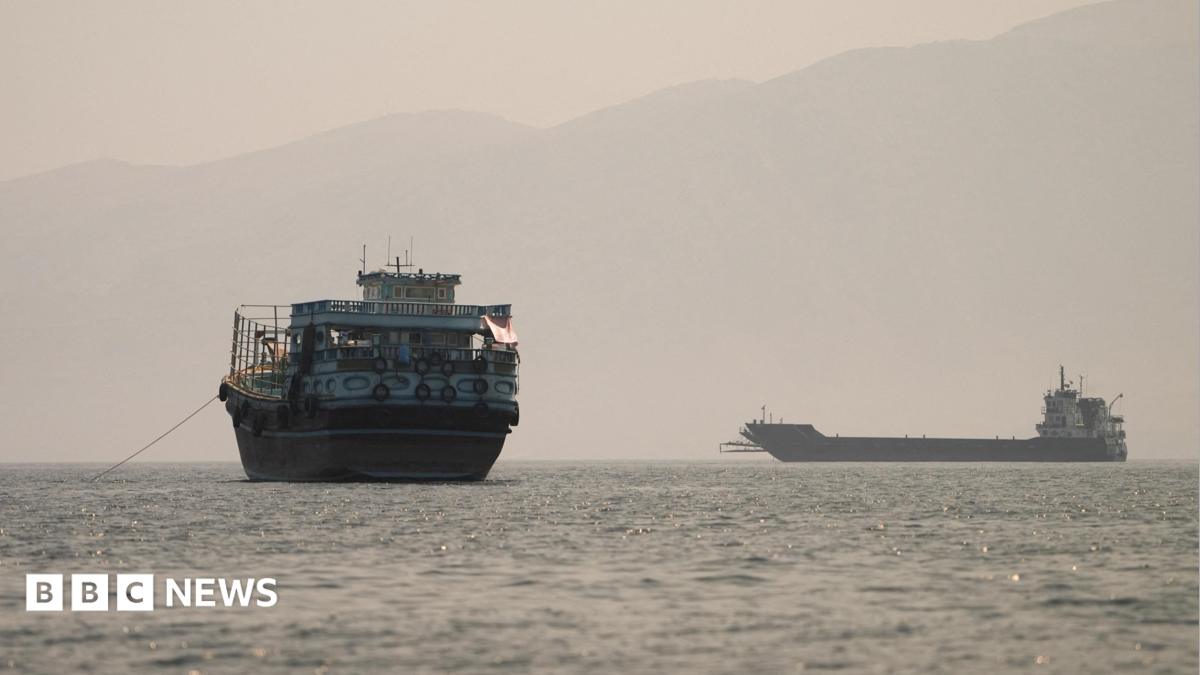
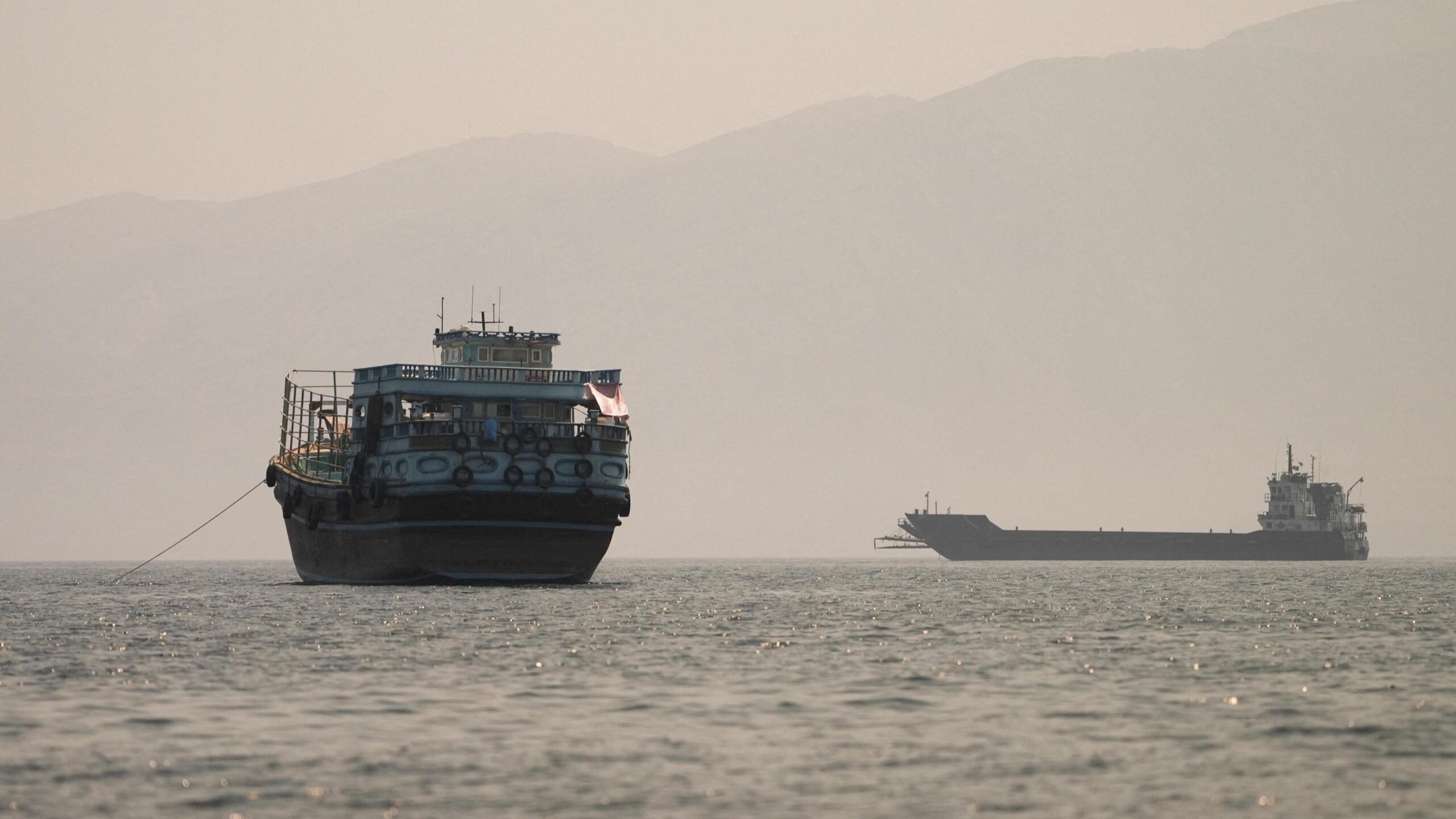
Reporters noted the description focused on an immediate halt to active offensive actions rather than the creation of verification mechanisms or a binding ceasefire. A BBC image accompanying the report showed military assets after the weekend strikes, underscoring the tensions on the ground.
US Iran stand down: claims and timeline
Over the weekend a series of strikes was reported in the region. Initial accounts described exchanges of fire in which each side said the other had violated a ceasefire that had been in place or understood by the parties. Exact times, locations and the forces involved were presented in general terms in early reports, with officials offering differing accounts of who struck first.
US statements to journalists framed the stand down as following those exchanges and as a way to reduce immediate operational tempo. Iranian public statements, as reported, portrayed actions taken as responses to perceived provocations or defensive measures. Independent verification of all claims remains limited in the immediate aftermath.
Another BBC image included with the reporting highlighted sites reported to be affected during the exchange, illustrating how difficult access and complex proxy dynamics can complicate fact-checking in the hours after strikes.
Why this matters
A reported stand down between the US and Iran could lower the near-term risk of further rapid escalation following a sharp exchange of strikes. Short pauses in offensive activity can create breathing space for diplomats to seek terms, clarify red lines and open channels for communication that might prevent miscalculation.
But the durability of any stand down will depend on verification and confidence-building measures. Without agreed procedures to confirm compliance or independent investigators, competing accusations of ceasefire violations could quickly undermine a fragile pause.
For regional partners and global markets, a temporary reduction in hostilities typically eases some immediate risks. Observers caution, however, that pauses do not remove underlying strategic tensions; whether the stand down holds will be shaped by political will, operational restraint and the ability of intermediaries to sustain dialogue.
What comes next
Officials are likely to monitor the situation closely in the hours and days after the reported stand down. Possible next steps include diplomatic contacts to clarify the timeline of the weekend strikes, requests for access to carry out independent assessments where possible, and discrete communications to prevent further incidents.
Durable progress would usually require agreed mechanisms for verification, channels for rapid deconfliction and, ultimately, political negotiations addressing the grievances that produced the strikes. Analysts say that, absent such mechanisms, temporary pauses can be fragile and reversible.
Source and attribution
This account is based on reporting by BBC News and describes claims as reported by that outlet. The stand down and the sequence of weekend strikes have been reported but are not independently confirmed in all details by The Nonstop News.
What does “stand down” mean here? In this context, the BBC reported it as an agreement for forces on both sides to halt offensive actions or reduce operational activity in the short term; it is not equivalent to a formal, long-term ceasefire unless explicitly stated.
Who reported the agreement? The BBC reported the claim, citing US officials and unnamed sources in its coverage. Are the alleged ceasefire violations confirmed? Early reports contain competing claims and independent confirmation can take time due to access limitations and the complexity of the operational environment.
For the original reporting, see: BBC News – US says it agreed with Iran for both to ‘stand down’ after exchange of strikes.
Reporting compiled from BBC News; claims described here are reported by that outlet and may be subject to confirmation.