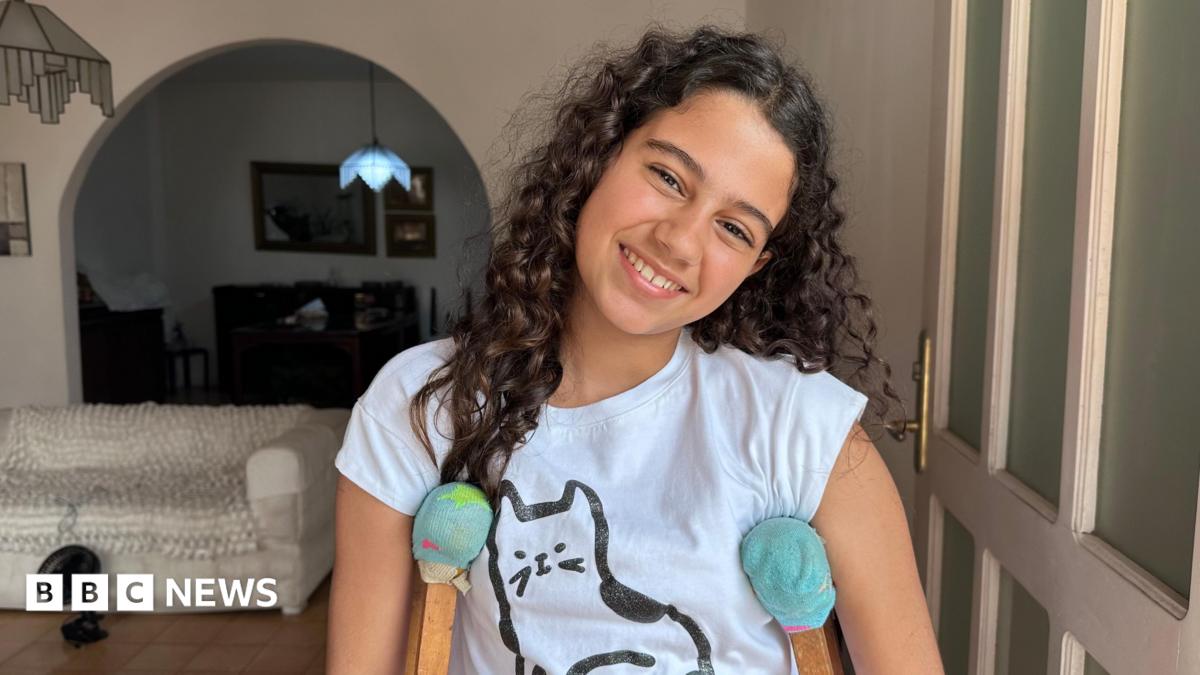
According to BBC reporting, Fabiana, a Venezuelan girl, was trapped for about 32 hours under the rubble of a 10-storey residential building after two earthquakes struck parts of Venezuela in June. “I ate ketchup and cheese,” she told rescuers, a vivid detail BBC journalists relayed from the scene within the first day of the rescue.
Venezuelan girl trapped under quake rubble: what happened
BBC coverage states the collapse followed two seismic events in June that damaged buildings in the affected area. The reporting identifies the structure as a 10-storey residential block where Fabiana became buried beneath debris and remained there for roughly 32 hours before being found by emergency teams.
BBC reporters at the scene quoted rescuers and witnesses describing a hurried search-and-rescue effort to locate people trapped in damaged buildings. Those public reports form the basis of the timeline and survivor account summarized here; some operational details have not been made public beyond the BBC dispatches.
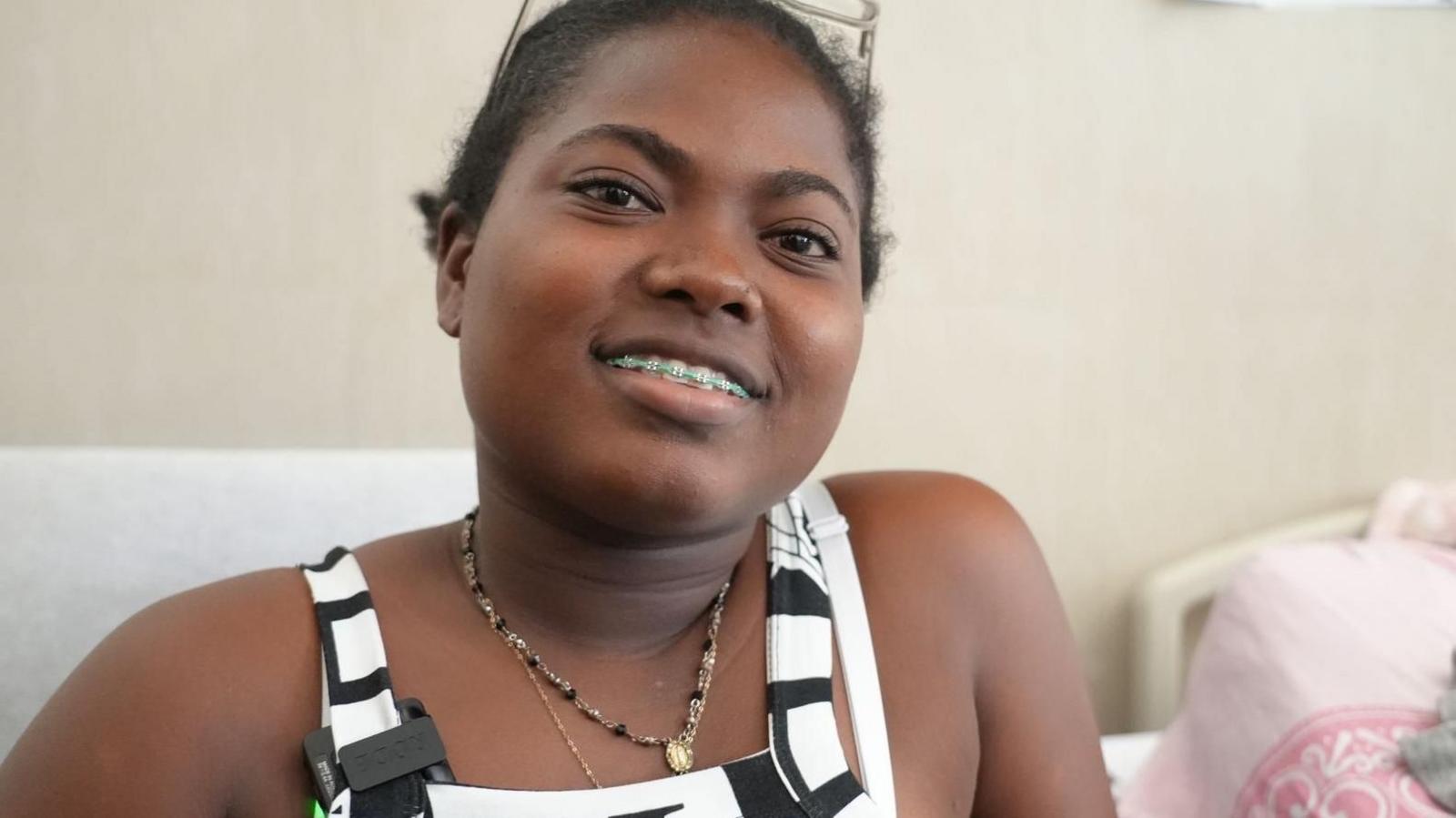
How Fabiana survived under the rubble
Fabiana’s own words — cited in BBC reporting — are central to understanding her survival. She told rescuers, “I ate ketchup and cheese,” a simple account that reporters passed on as a direct quote. BBC noted this as a reported statement from the survivor.
Beyond that quoted detail, BBC reporting describes the narrow and improvised conditions survivors can face when trapped in collapsed buildings: very limited access to food and water, confined pockets of air, and reliance on small items at hand to sustain them until rescuers arrive. Those broader observations are drawn from the BBC article and scene reporting rather than new independent verification.
Fabiana’s case underscores how small supplies and quick thinking can make a difference in prolonged entrapment. BBC reporters also relayed comments from rescuers who described carefully listening and probing the rubble to locate survivors while working to avoid further collapse.
Rescue timeline and building damage
According to BBC reporting, emergency responders located Fabiana alive in the debris roughly 32 hours after the initial tremors were reported. The account in BBC’s coverage outlines a multi-team response in which local emergency units and volunteers worked to reach possible survivors amid unstable wreckage.
BBC noted the building as a 10-storey residential block that sustained severe structural damage in the quakes. Public reports indicate responders spent hours clearing pathways through rubble and using cautious excavation techniques to free people trapped in voids formed by collapsed floors and walls.
Rescuers at the scene told BBC they prioritized stabilising remaining sections of the building and creating secure access points before attempting delicate extractions of survivors. The reporting does not provide a second-by-second chronology of each action, but it places Fabiana’s discovery and removal within a sustained effort lasting more than a day.
Rescue crews at the collapsed building in Venezuela.
BBC’s on-the-ground coverage also described how teams checked for other survivors and coordinated with local medical services to treat those freed from the rubble. Exact numbers of injured or displaced in this specific incident were not detailed in the BBC piece cited here.
Local impact and what this means for survivors
The BBC report situates Fabiana’s survival within a broader local impact: communities affected by the June earthquakes face immediate needs for shelter, medical care and search-and-rescue assistance. BBC reporters described scenes of damaged neighbourhoods and emergency workers assessing multiple buildings for safety.
According to BBC reporting, local rescue capacity, access to specialised equipment and the availability of trained search-and-rescue teams shape how quickly trapped people can be reached. The article emphasises that response times and outcomes are strongly influenced by those resources, particularly when multiple buildings are damaged across an area.
Media accounts relayed by BBC also noted pressures on local hospitals and aid providers when several injured people require care at once; however, detailed assessments of hospital capacity or longer-term humanitarian needs were not provided in the public reporting referenced here.
Damage from the June earthquakes near the site.
What comes next
BBC reporting indicates that after the immediate rescue phase, authorities typically continue systematic searches and begin structural inspections and relief planning. For survivors like Fabiana, follow-up often includes medical checks, psychological support and temporary shelter arrangements when homes are unsafe.
The publicly available reports cited in BBC’s coverage do not supply a full timeline for recovery efforts in this locality. Local officials and aid organisations are expected to release further information on inspections, assistance and any broader displacements as they complete assessments.
Source attribution
This article summarises reporting published by BBC News and relays quoted statements attributed to the survivor and to rescuers as reported by BBC. Link to the original BBC report is provided below for readers who wish to consult the source directly.
Note on verification: details in this summary are based on BBC reporting and the survivor’s reported statements cited there. Some operational and numerical specifics were not available in public reports at the time of publication and have not been independently verified here.
Source: BBC News – Top Stories. The article cites reported statements from the survivor and reporting from the scene; readers should consult the original BBC coverage for full context and any subsequent updates.
Frequently asked questions
How long was Fabiana trapped under the rubble?
According to BBC reporting, Fabiana was trapped for approximately 32 hours before rescuers reached her.
What did she eat while trapped?
Fabiana told rescuers she ate “ketchup and cheese” while under the rubble; this is a reported statement from the survivor as quoted in BBC coverage.
Where did the earthquakes strike in Venezuela?
BBC reporting links Fabiana’s entrapment to two earthquakes that struck parts of Venezuela in June. For detailed seismological data and maps of epicentres, readers should consult specialised monitoring agencies and the BBC’s original report.