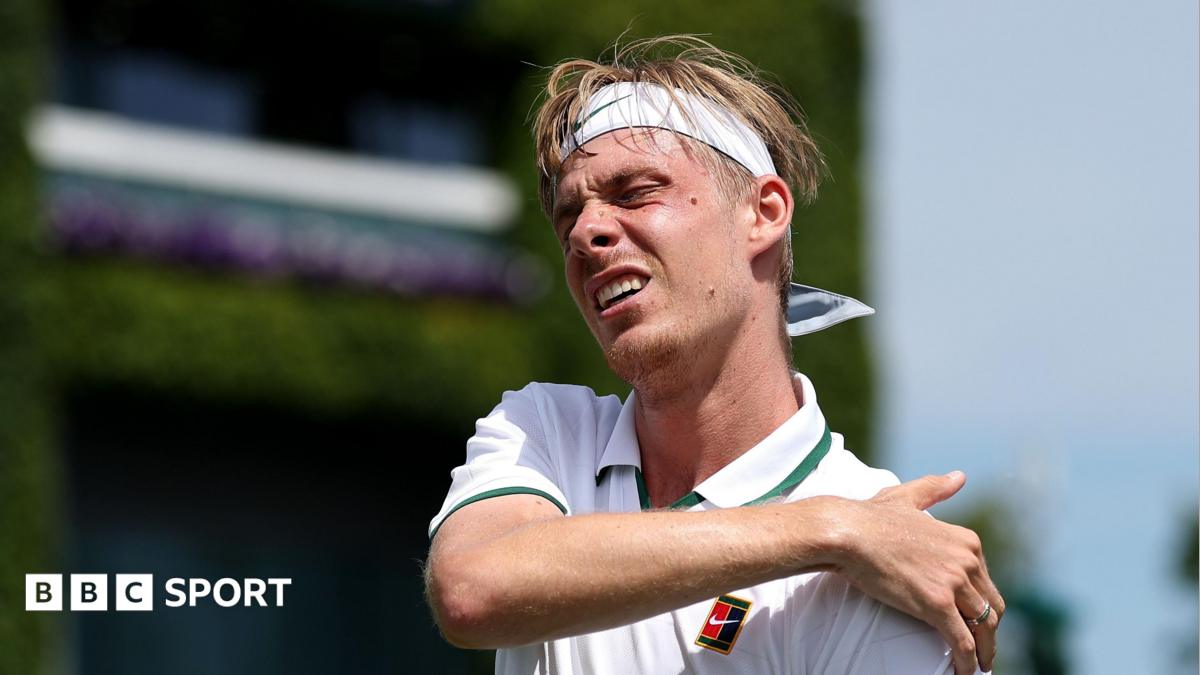
Tennis injuries forced British players Jack Draper and Emma Raducanu to withdraw from Wimbledon this week, drawing renewed attention to player workload and recovery in the modern game. Both withdrawals were confirmed close to the start of the tournament and were covered in a BBC Sport analysis asking whether the sport’s “relentless nature” is contributing to a rise in high-profile absences.
The immediate effect is straightforward: two popular home players will not appear on the grass courts, altering the draw and local interest. Beyond that, the cases feed into a wider debate among coaches, medical teams and governing bodies about how the professional calendar, surfaces and match intensity combine to affect player availability.
What happened at Wimbledon
Jack Draper withdrew after reporting an injury that, following medical assessment and scans, left him unable to compete. Emma Raducanu also pulled out with an injury concern that similarly prevented her from taking part in the early rounds. Tournament notices and media reports confirmed both exits in the days immediately before their scheduled matches.
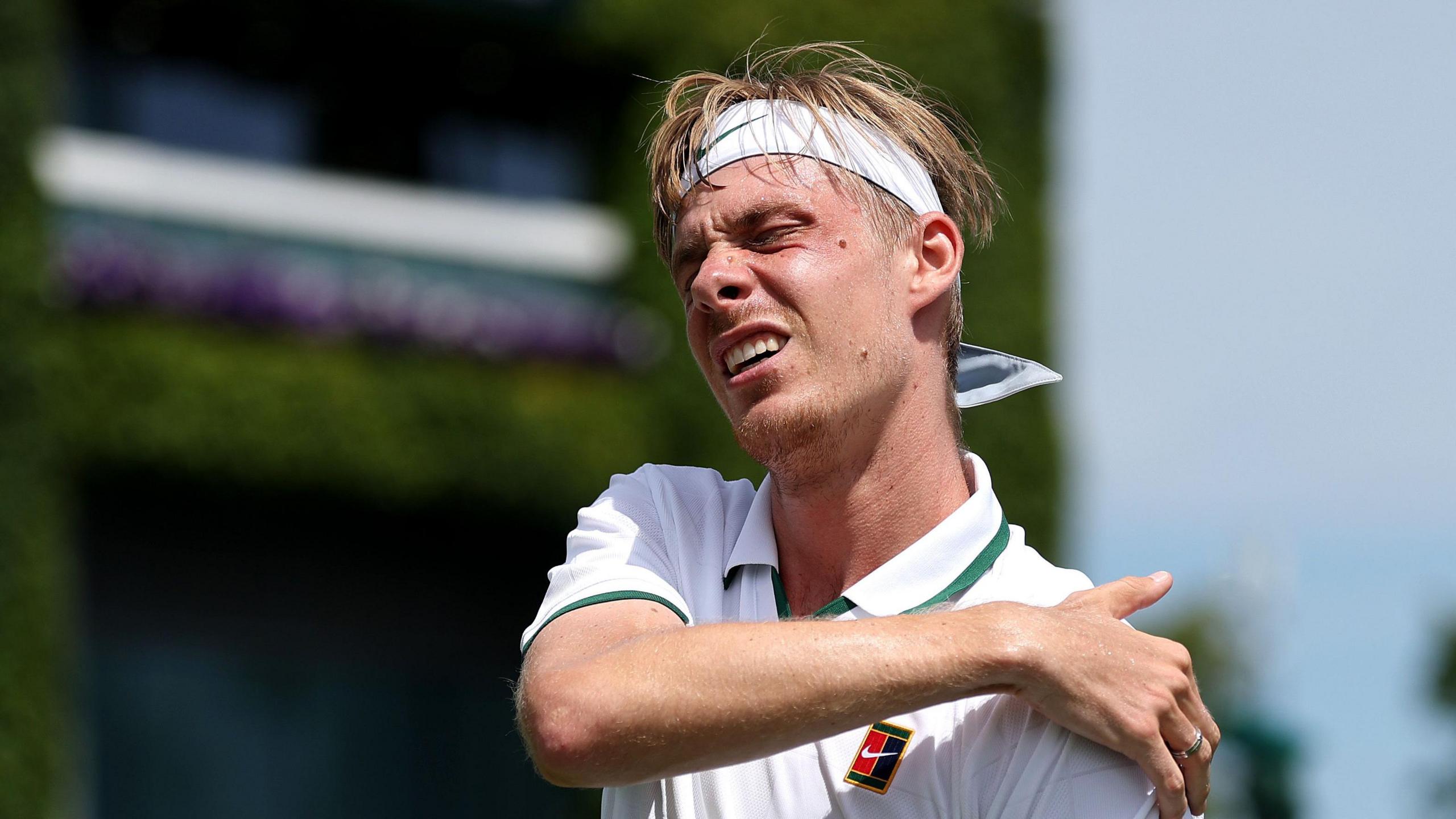
Organisers typically attribute late withdrawals to injury or on medical advice. In these cases, reporting referenced scans and medical checks that preceded the announcements. BBC Sport covered both individual withdrawals and followed with a broader piece examining trends in player fitness across the tour.
Signs of a wider problem: tennis injuries
Observers including BBC Sport have placed Draper and Raducanu’s withdrawals in a broader context of recent elite-player absences. The BBC posed the question in its coverage — “Is tennis’ relentless nature causing injury crisis?” — and highlighted clusters of withdrawals and procedures affecting top names over the season.
That coverage does not present a single definitive conclusion but flags patterns worth watching: repeated high-profile absences, retirements mid-match and players managing recurring issues all signal persistent availability concerns. Analysts caution that confirming a long-term increase requires careful comparison with historical data and consistent reporting standards across seasons.
Possible causes and contributing factors
Several interlocking factors are commonly cited when experts discuss rising injury risk. The professional calendar is long and demanding, with players moving quickly between hard, clay and grass courts. That back-to-back switching can increase strain as bodies adapt to different footing and match demands.
Match intensity at the top level — longer rallies, high-speed movement and frequent close margins — also raises cumulative load. Grand slam formats, including best-of-five sets for men at majors, add to the physical toll. Sports scientists point to how repeated high-intensity efforts without extended recovery windows can elevate injury risk.
Individual factors matter too: training load management, past injury history, access to medical and recovery resources, and choices about scheduling smaller events can all influence whether a player is fit for a major. Media and medical sources referenced in the BBC analysis emphasise these as hypotheses rather than proven single causes, calling for more systematic data collection and review.
Impact on British players and the tournament
For British tennis, losing two leading home players is significant. It reduces the number of marquee matches for local fans, changes potential commercial and broadcast narratives, and alters the competitive landscape for other players in the draw. For Draper and Raducanu personally, a withdrawal means missed opportunities for ranking points, competitive momentum and the kind of experience that fuels development.
Repeated high-profile withdrawals can also prompt closer media and public scrutiny of tournament medical provision and of the wider tour calendar. Wimbledon’s medical team and the Lawn Tennis Association, along with player representatives, inevitably face questions about how best to support athlete welfare while preserving competitive integrity.
What comes next
In the short term, tournament medical checks and follow-up scans will determine recovery timelines. Players typically release further statements when more definitive diagnoses are available; those updates will guide next steps for treatment and any short-term scheduling changes for the individuals involved.
At a policy level, the kinds of patterns highlighted by BBC Sport often trigger renewed discussion among governing bodies, player unions and medical experts about scheduling, the distribution of ranking points, and recovery windows between events. Any concrete calendar or protocol changes would stem from detailed reviews and consultation, and are unlikely to be immediate.
For now, the practical watchpoints are official medical updates from the players and from Wimbledon, and further reporting by established outlets examining whether this cluster of withdrawals fits into a longer-term trend. Broadcasters, national bodies and tour organisers will be monitoring injury and withdrawal data as the season progresses.
Source: BBC Sport — “Is tennis’ relentless nature causing injury crisis?”