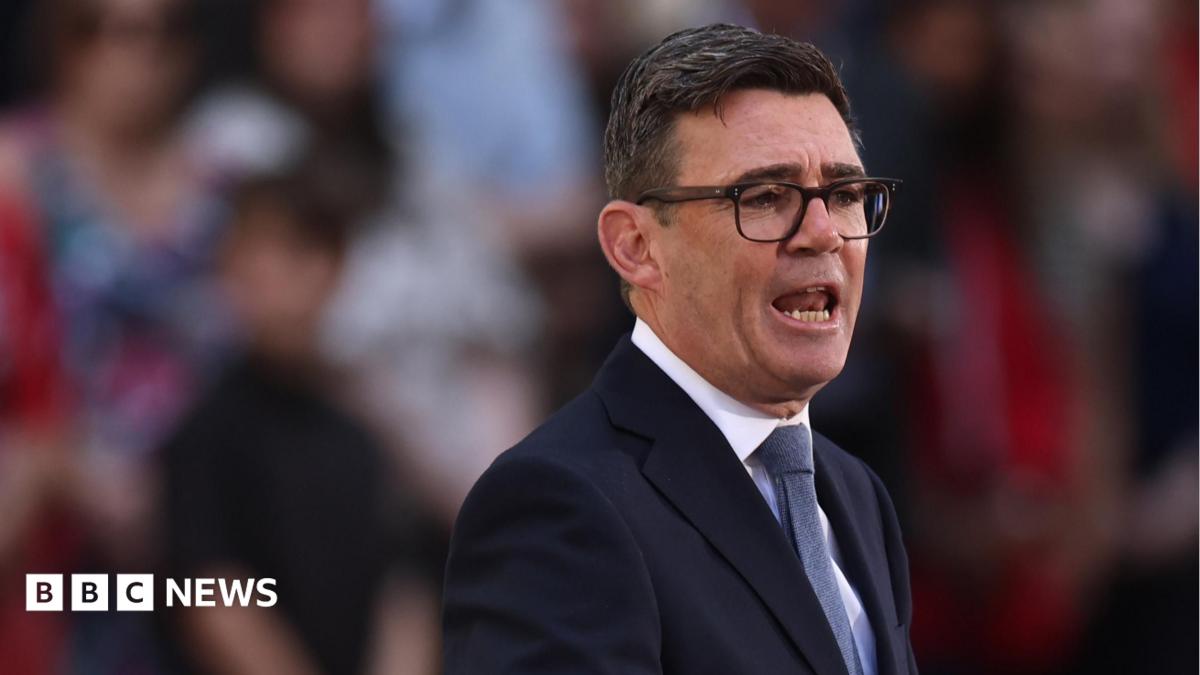
Prime Minister Burnham has stepped back from proposing an immediate rise in the tax-free personal allowance, Downing Street confirmed on Monday.
Latest: Burnham pulls back on tax-free personal allowance
Downing Street said the prime minister will not pursue an immediate increase to the tax-free personal allowance, describing earlier public remarks as exploratory rather than a firm policy commitment. Officials framed the change as a response to competing fiscal pressures and the need to manage public expectations carefully.
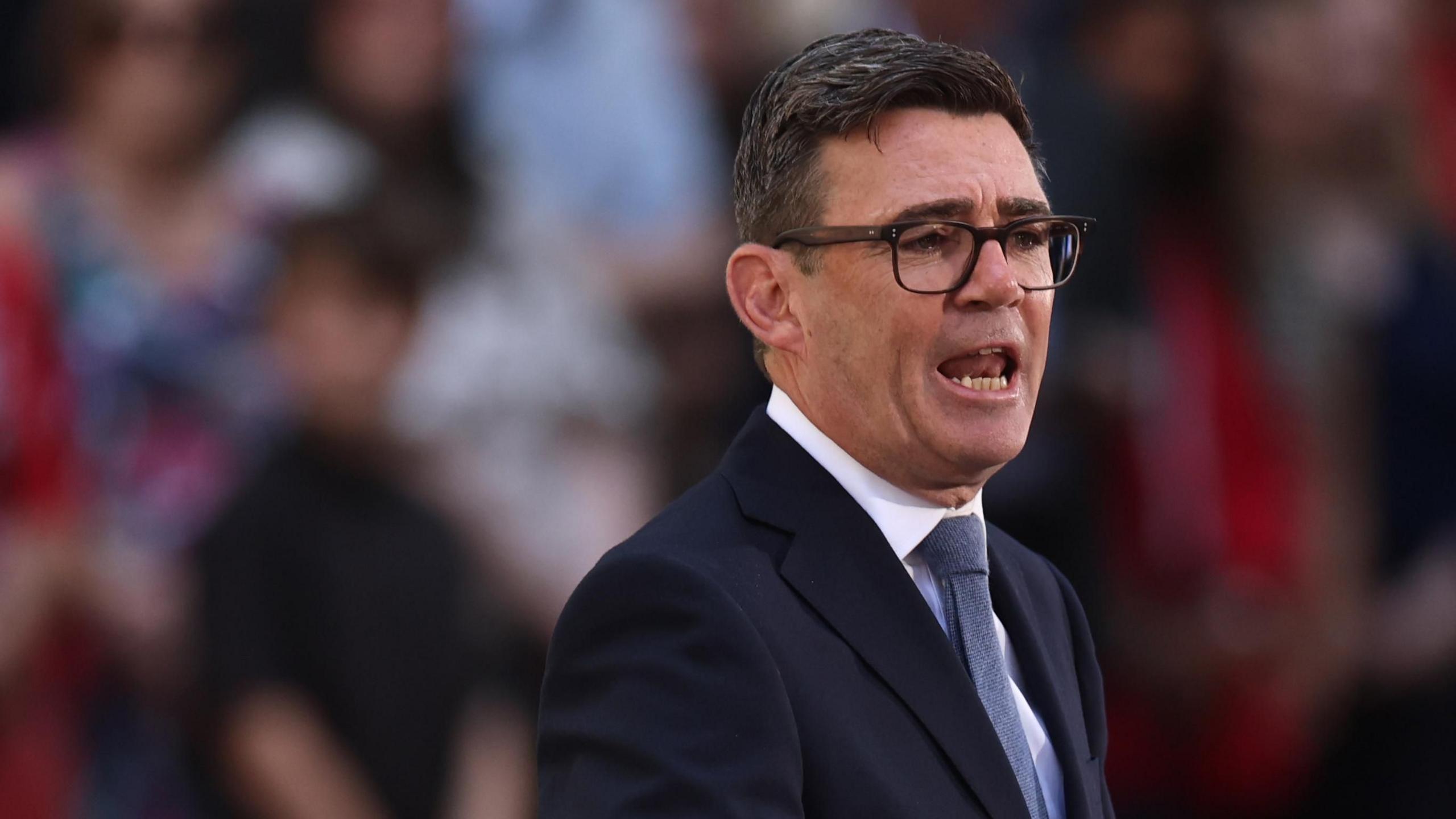
The reversal follows media coverage of a recent comment in which Mr Burnham said that “voters were frustrated” by the freeze to the allowance. That phrase is presented as his view rather than as an independent, measured survey finding.
Background: personal allowance freeze and prior comment
The personal allowance is the amount of income a person can earn before paying income tax. It has been frozen in recent years as part of broader fiscal measures. Freezing the threshold can increase tax take in real terms as wages rise, a mechanism sometimes called fiscal drag.
Earlier this month the prime minister indicated he understood public dissatisfaction with that freeze, prompting speculation about whether the government would move to raise the allowance to give households more take-home pay. Media reporting of his comment that “voters were frustrated” led to questions about how quickly any change could be implemented.
Downing Street communications have since said the earlier phrasing was exploratory and not a policy commitment. Officials cited broader fiscal constraints and other spending priorities as reasons for not taking forward an increase in the immediate term.
Why it matters for tax-free personal allowance and voters
Altering the tax-free personal allowance has a direct and visible effect on take-home pay for many workers. A rise in the allowance reduces the portion of income subject to tax, so most people who benefit see an immediate increase in net pay without changes to tax rates.
For voters, proposals to raise the allowance are often framed as simple, targeted measures to ease household budgets. That political appeal helps explain why the remark attracted attention: it appeared to set expectations for quick relief.
From a policy perspective, decisions about the allowance signal how a government balances priorities such as redistribution, public spending and deficit management. Choosing not to act now suggests the government is prioritising fiscal consolidation or preserving room for other commitments.
Analysts note that any change must be weighed against the cost to public finances. Without offsetting savings or new revenues, raising the allowance can widen deficits or force cuts elsewhere—one reason officials cite caution.
What comes next
Expect Treasury ministers and officials to underline fiscal limits in upcoming briefings. The most likely places to watch for any renewed interest in changing thresholds are formal fiscal events: budget statements, autumn statements, and published Treasury forecasts.
Parliamentary scrutiny is likely to follow. Opposition parties may press the government for a clearer timetable or for details on how a rise would be funded. Questions in Parliament and select committee scrutiny could force more detailed explanations from ministers.
Footnote analysis and independent think-tank work will also be consulted by policymakers. If inflation, wage growth or public finances shift materially, the government could revisit the idea, but officials have signalled that any such move would need clear offsets.
For households looking for immediate help, ministers may point to other existing measures or targeted support rather than a broad increase in the personal allowance. The decision reduces the prospect of near-term, across-the-board tax relief tied to the allowance.
Practical takeaway
In the short term, there is no change to how much income is tax-free: the allowance remains frozen at current levels. Workers and taxpayers should expect further commentary from the Treasury and official budget documents to be the place where any future change would be set out and costed.
Longer term, the issue could return to the political agenda if the government identifies savings or increased revenues that make a rise affordable, or if public pressure and economic conditions change substantially.
Source: BBC News