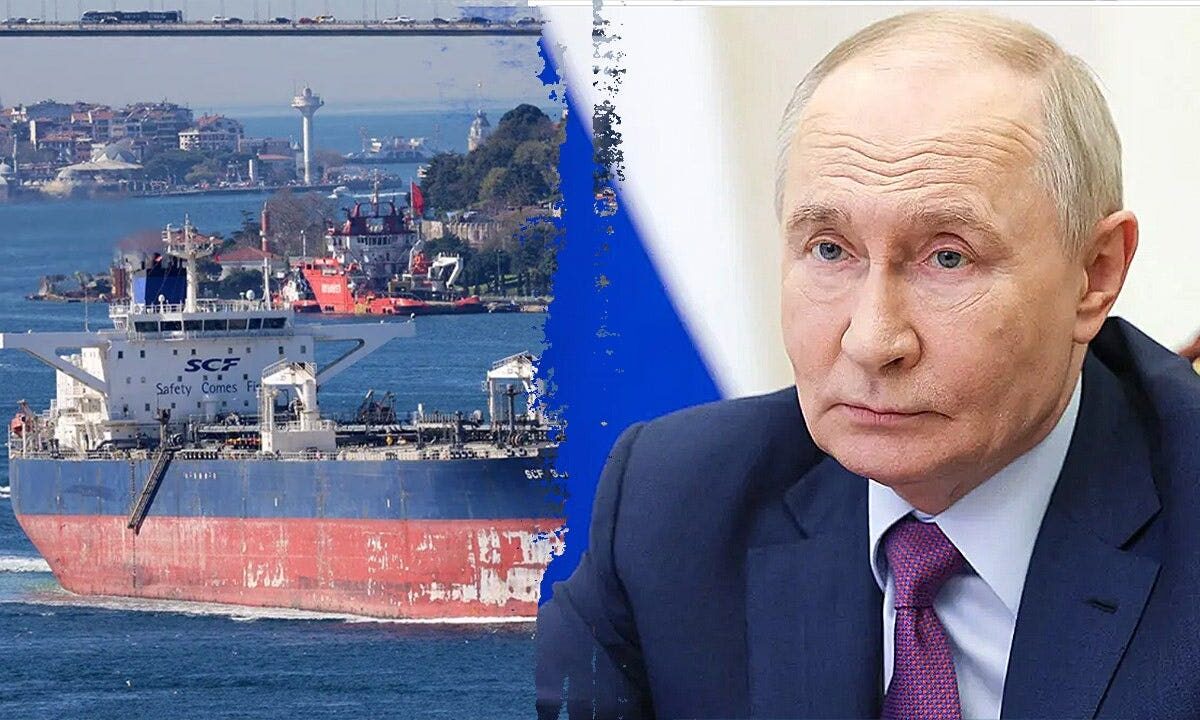
Urgewald, using Kpler commercial shipping data, reports that 136 of 140 Yamal LNG cargoes exported from Russia between January and June were discharged at European Union ports, with an estimated value of about €5.96 billion. These delivery figures are the central finding of the midyear review and raise questions about enforcement and market responses ahead of the EU’s 2027 phaseout measures.
At a glance: 136 of 140 cargoes to EU ports; estimated value €5.96 billion; France, Belgium and Spain were the largest receiving countries. Importantly, port deliveries indicate where cargoes were unloaded — they do not by themselves prove that EU-based buyers purchased or consumed the gas.
What the data shows on Yamal LNG
Urgewald’s analysis, based on Kpler tracking of commercial shipping movements, counts 140 cargoes exported from the Yamal LNG project in the Arctic during January–June. Of those, 136 were recorded as discharging at terminals located in EU member states. Urgewald converted volumes to an estimated euro value using prevailing European natural gas benchmarks and reported roughly €5.96 billion for the period.
| Cargoes exported (Jan–Jun) | 140 |
| Delivered to EU ports | 136 |
| Delivered to China | 4 |
| Estimated value | €5.96 billion |
Where the cargoes landed in the EU
Deliveries were concentrated in a few member states. The analysis shows French ports recorded 51 discharges, Belgian ports 37 and Spanish ports 34 during the six-month window. These counts refer to where cargoes were unloaded at terminals.
That distinction matters. A vessel discharging at a European terminal indicates the physical location of delivery, but ownership and final consumption can change through resales, onward shipping, or swaps. Urgewald and Kpler note their public counts are port-level delivery tallies; they do not identify final buyers unless separate contractual or customs records are available.
How this fits with EU rules and sanctions
The report arrives as the EU advances legal steps to reduce Russian gas dependence. Under current EU decisions, bans tied to long-term contracts will take effect Jan. 1, 2027 for liquefied natural gas obligations and Sept. 30, 2027 for pipeline gas under long-term contracts.
EU officials and analysts say recent shipments likely reflect a mix of contractual scheduling, frontloaded deliveries and market adjustments made ahead of tighter rules. Transshipment, use of third-party vessels and the so-called shadow fleet have been cited as complicating enforcement and tracking efforts.
Separately, lawmakers in some capitals and in the U.S. have proposed measures including secondary sanctions or tighter rules on vessels and intermediaries. Those proposals remain under debate and would need legal approval before taking effect.
Market consequences and energy revenue
The estimated €5.96 billion in midyear receipts linked to these deliveries represents a meaningful near-term cash flow associated with Yamal LNG exports. That revenue stream creates a tension for policymakers: reducing Kremlin energy income while keeping supplies stable for consumers and industry.
Market behaviour reflects that tension. Contractual parties can accelerate shipments before restrictions take effect (frontloading), renegotiate terms, or rely more on short-term spot markets. Buyers also assess alternatives: U.S. LNG has expanded its role as a supplier to Europe, but replacing volumes depends on terminal capacity, pipeline and regasification limits, and price dynamics.
What comes next for imports and policy
Near-term expectations include continued frontloaded deliveries in some contracts, closer monitoring of transshipment activity and more scrutiny of vessel ownership and charter arrangements. Enforcement will depend on improved tracking, customs and port reporting, and any new measures adopted by EU or partner states.
Longer term, the pace of infrastructure buildout, alternative supply contracts and legislative steps (including any secondary sanctions) will shape how quickly Russian volumes decline. Policymakers must weigh the risk of supply disruption against the goal of cutting energy revenues linked to Russia.
Sources and attribution
The cargo counts and the €5.96 billion estimate are taken from an Urgewald analysis that uses Kpler commercial shipping data. Reporting by Fox News Digital also described the Urgewald/Kpler findings; this article draws on Urgewald and Kpler as the primary data sources and cites Fox News Digital for its reporting on those data.
FAQ
Did EU countries buy most Yamal LNG cargoes?
No. The data show where cargoes were discharged at ports. Discharge at an EU terminal does not by itself prove that an EU-based buyer purchased or ultimately consumed the gas.
Do port deliveries mean EU companies purchased the gas?
Not necessarily. Cargoes can be resold, redirected or transshipped after unloading. Ownership and final consumption can differ from the discharge location unless contract or customs records confirm the buyer.
Will the 2027 EU bans stop these shipments?
The bans target imports tied to long-term contracts and aim to reduce Russian gas flows by 2027. How quickly shipments decline will depend on implementation details, contract exceptions, enforcement of transshipment rules and any new measures adopted by EU or partner states.
Note: This analysis is based on Urgewald’s public reporting and Kpler shipping data as reported by Fox News Digital. The article avoids asserting buyer identities where sources limit the findings to port-level deliveries.