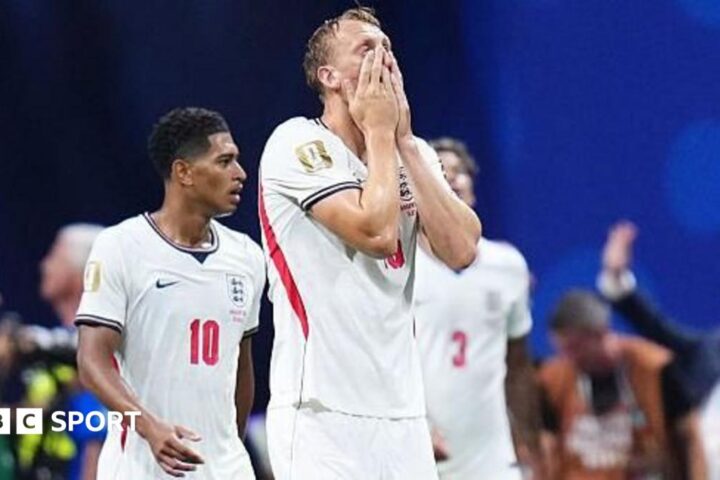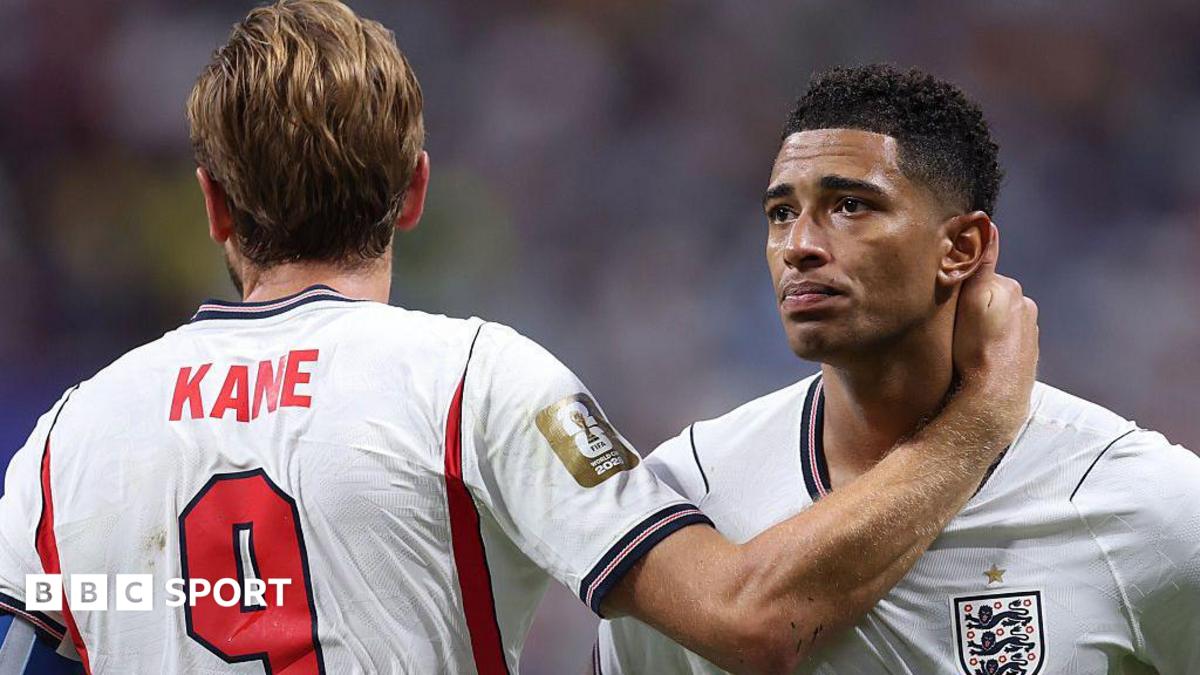
England’s loss to Argentina in the World Cup semi-final was defined by a late collapse that transformed expectation into raw disappointment. The timing of the decisive moments left many supporters and commentators framing the defeat as not just a single setback but part of a longer emotional thread.
Quick recap of the match
England entered the World Cup semi-final with momentum and genuine hopes of reaching the final. Across the match there were phases when England looked in control and others when the game was finely balanced. In the closing stages a late swing — a decisive sequence favouring Argentina — determined who progressed to the final.
The phrase “late collapse” has been used widely in coverage to describe England’s inability to keep hold of a promising position in the game’s final period. That swing ended England’s run in the tournament and left a large section of fans stunned at how quickly the contest turned.

Why this felt uniquely painful
Losses always hurt, but the moment and context shape how deeply they cut. This defeat landed so painfully because it arrived late in a match when England looked positioned to take the next step. The combination of high expectation, tournament fatigue and a reversal at the clearest possible moment made the emotional impact more intense than an earlier exit might have felt.
Media coverage and supporter commentary have used emphatic language — phrases such as the “most painful wound” and references to “years of hurt” — to convey that emotional weight. Those phrases are descriptive, representing fan and writer response rather than objective metrics; BBC Sport and other outlets captured and reported that strong public reaction in their coverage of the match and its aftermath.
Part of why the defeat stings is symbolic: a late collapse reads as a missed chance rather than a straightforward failure. When a single match appears to offer closure on long-standing hopes and then slips away in the final stages, it becomes a story about what might have been as much as what actually happened on the pitch.
How this compares to 60 years of England setbacks
Describing the result as tied into “60 years” of hurt is a way for supporters and writers to situate the loss inside a longer national narrative. That timeline isn’t a precise scoreboard so much as a cultural shorthand for repeated high-profile disappointments: late exits, penalty heartbreaks and tournaments that ended with near-misses instead of trophies.
Viewed this way, the semi-final defeat acquires extra meaning: it adds to a sequence of moments that together shape expectations about England at major tournaments. That cumulative effect is cultural as much as sporting — every fresh setback tends to awaken memories of earlier ones, intensifying the reaction to a single match.
Framing the result against a decades-long backdrop helps explain why the reaction has been so charged. The loss did not occur in isolation; it arrived against a backdrop of history, fan conversation and long-term hopes for tangible success on the biggest stage.
What comes next for England
Short term, priorities are clear: players need rest and time to process the defeat, and the coaching staff will conduct a detailed review of the match. That review will examine tactical choices, substitutions and set-piece moments, but it will also consider psychological recovery and managing expectations for players and supporters alike.
Over the medium term the programme will look at development pathways, squad replenishment and what lessons from this campaign can be converted into progress. Young players who gained experience during the run will be central to that rebuild; staff will weigh continuity against change as they plan for upcoming qualifiers and tournaments.
For fans the immediate work is emotional: processing disappointment while seeking evidence that the team can learn and grow. For the governing body and coaching team it becomes a managerial task — balancing honest appraisal with a strategy that keeps momentum for the next cycle.
Key takeaways
– England’s loss to Argentina was defined by a late collapse in a World Cup semi-final that amplified its emotional impact.
– The reaction draws on a longer narrative of “60 years” of hoped-for breakthrough moments that have often ended in disappointment, a point frequently cited in contemporary coverage and fan discussion.
– The immediate steps are recovery and match review; the longer-term focus will be on player development, tactical refinement and preparing for the next competitive cycle.
Fan questions answered
How did England lose to Argentina?
In short: key moments late in the semi-final swung the result in Argentina’s favour. Contemporary reporting highlights that England were unable to retain their position through the match’s decisive final period.
Was the defeat a late collapse?
Many observers and reports describe the outcome as a late collapse because the match was decided by events that unfolded in the closing stages. That phrasing captures the dramatic timing and the sense of a missed opportunity rather than serving as a technical judgement alone.
What does this mean for England’s future?
Expect immediate analysis and a period of recovery for players. The coaching staff will review the campaign and plan for upcoming fixtures and development cycles; the core challenge is turning lessons from this defeat into concrete improvements for the next tournaments.
Source attribution: reporting and coverage referenced here are drawn from BBC Sport’s article on the match and post-match reaction. For the original report, see BBC Sport.