Lamine Yamal, 19, emerged as the defining figure as Spain beat Argentina to win the World Cup, turning a tense final into a landmark night for a new generation of Spanish football. BBC Sport reported that Yamal’s direct play and movement were repeatedly decisive in creating openings for Spain in the match.
The final was tight and tactical, with both teams probing for weaknesses. Spain’s discipline in defence and quick transitions in attack allowed them to convert the key chances they created. According to BBC Sport coverage, Lamine Yamal’s influence in the attacking third forced Argentina to alter their defensive shape on several occasions.
Match summary: Spain vs Argentina
The World Cup final was a contest of small margins. Spain controlled long spells through organised build-up play and midfield rotation, while Argentina relied on counter-attacks and moments of individual invention. BBC Sport noted that Spain took advantage of a few decisive moments to secure the result.
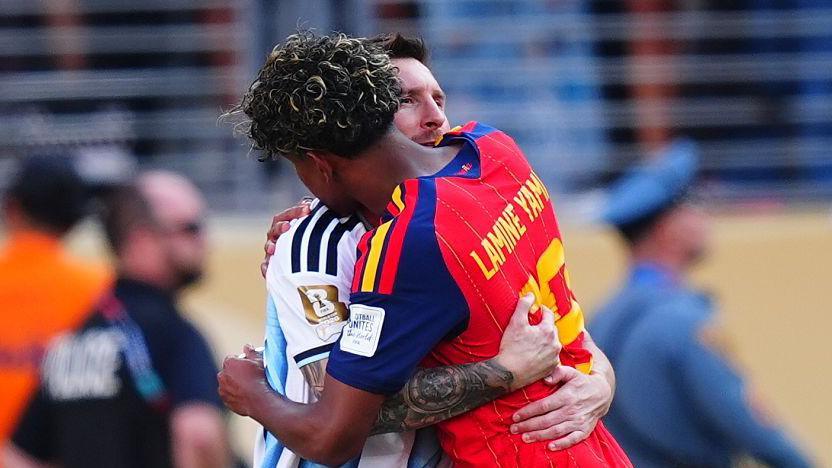
Yamal’s involvement in those moments was clear: his runs stretched Argentina’s back line, creating space for teammates and producing chances of his own. Defensively, Spain remained compact and limited Argentina’s most dangerous opportunities, turning a close game into a manageable advantage.
Lamine Yamal and his impact
Lamine Yamal, aged 19, is now widely discussed as a breakout star following the final. His pace, low centre of gravity and willingness to take on defenders repeatedly unsettled Argentina and opened channels for Spain’s attacks. BBC Sport’s match reporting highlighted Yamal’s forward runs and positional intelligence as crucial factors.
More than a single highlight, Yamal’s sustained pressure on the right flank changed Argentina’s defensive priorities across the 90 minutes. Opponents were drawn to close him down, which in turn created space for Spain’s midfielders and other forwards. Observers watching the match noted how that collective effect contributed to Spain converting the chances that mattered.
At 19, Yamal has shown a combination of technical assurance and maturity in decision-making that suggests he can be a core figure for the Spain national team for years to come. Club managers and national team staff will now weigh careful minutes and development alongside higher expectations and media attention.
Lionel Messi and the emotional finale
The match ended with visible emotion from Argentina captain Lionel Messi. BBC Sport reported that Messi left the field in tears at the final whistle, reflecting the immense personal and national stakes of a World Cup final. Coverage emphasised that Messi gave everything during the match but was denied the winning result.
Messi’s reaction underlined the significance of the occasion for both players and fans. The final represented a defining moment for a player with a storied career, and the emotional aftermath was widely covered by international media as part of the match narrative.
Why this win matters for Spain
This World Cup victory matters for the Spain national team in several clear ways. It confirms Spain’s return to the highest level of international competition after a period of transition, and it validates tactical decisions that blend structured possession play with rapid attacking transitions.
Equally important is the message sent about Spain’s player development. The emergence of young stars such as Lamine Yamal shows that a new generation can take on leading roles at the biggest tournaments. The win provides momentum for Spain’s programme ahead of upcoming European and global competitions, and it offers a blueprint for integrating youth with experience.
What comes next for Yamal and Spain
For Lamine Yamal, increased expectation is inevitable. The immediate priorities will be managing his minutes at club and international level, maintaining his physical and mental development, and protecting him from burnout. Spain’s coaches will also face decisions about how to preserve his best attributes while opponents adapt their tactics.
For Spain, the challenge after a World Cup victory is sustaining standards. Retaining tactical discipline while allowing creative players freedom will be central to how the national team defends its title in future competitions. The coaching staff must also plan for squad rotation and integrate emerging talents to keep the team competitive.
Frequently asked questions
Who is Lamine Yamal and how old is he?
Lamine Yamal is a 19-year-old Spanish international forward known for his pace, dribbling and attacking instincts. BBC Sport and other outlets have identified him as a breakout player in the tournament after his key contributions in the final.
How did Spain beat Argentina in the final?
Spain combined tactical organisation, disciplined defence and well-timed attacking moves to win the match. Lamine Yamal’s runs and ability to unsettle Argentina’s defence created openings that Spain exploited, according to match reports from BBC Sport.
What happened to Lionel Messi after the match?
Lionel Messi left the field visibly emotional, described in coverage as being in tears at the final whistle. BBC Sport reported on the personal significance of the match for Messi and the depth of his reaction following the result.
Source attribution
Reporting in this article draws on coverage from BBC Sport. For the original match report and related coverage, see: BBC Sport – Top Stories.