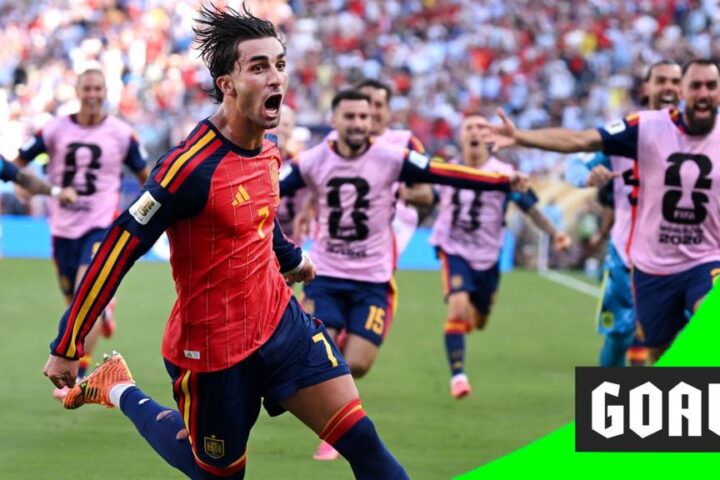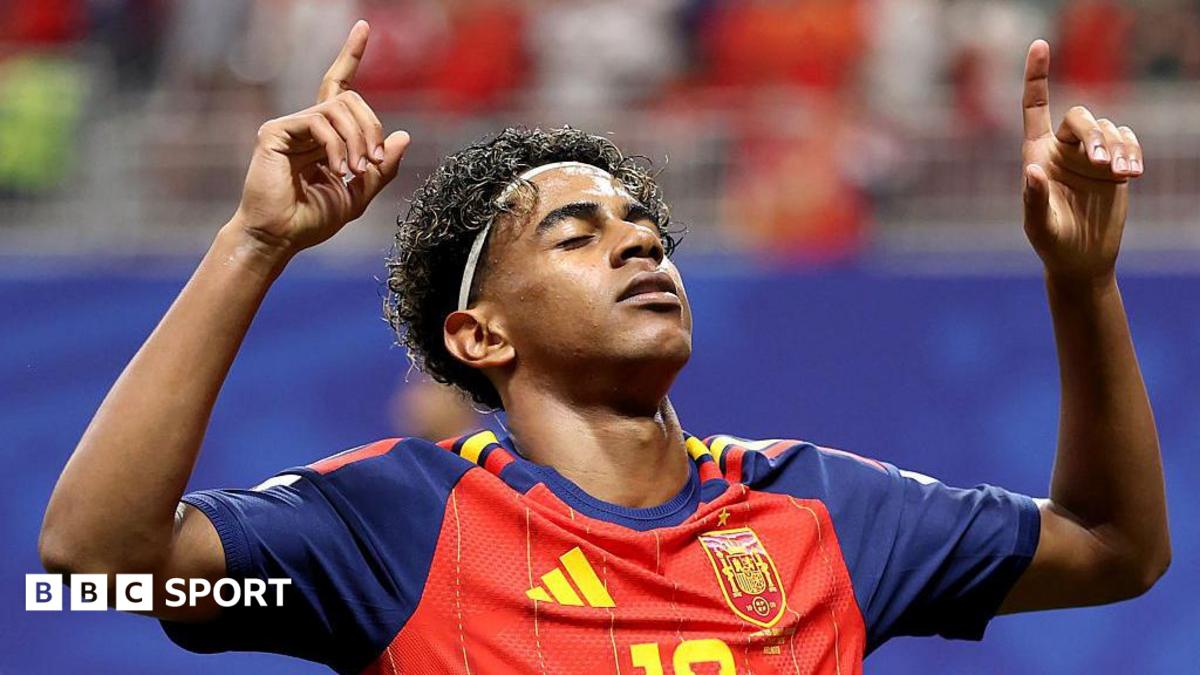
Lamine Yamal arrives at Sunday’s World Cup final with more than a trophy on the line: the match will strongly influence how his tournament is remembered. Coverage so far has suggested he may not have had a sparkling World Cup, an evaluative take that places unusual weight on the final as the moment when perceptions harden into a legacy.
Spain’s result will shape the headline on Yamal’s tournament. A victory would redirect attention toward collective success and the roles each player played in achieving it; a defeat would accentuate earlier criticisms about consistency and end-product. This analysis examines where Yamal stands now, how a Spain win would change the narrative, what on-pitch moments matter most for his reputation, and how media and fan reaction are likely to lock in judgment after the final.
Where Lamine Yamal stands now
Observers have described Yamal’s tournament as mixed: flashes of individual quality have coexisted with periods when end-product was limited. That formulation — that he may not have had a sparkling World Cup — is evaluative rather than a statistical verdict, but it has framed much of the pre-final conversation and raised the stakes for Sunday.

Part of the scrutiny stems from context. Young attacking players are often judged against both immediate output and perceived potential; that dual standard makes tournaments inherently unforgiving. For Yamal, this means the final represents not only a sporting opportunity but a narrative hinge. How he is deployed, how he responds to pressure and whether he produces a decisive moment will all feed into longer-term perceptions.
How a Spain victory would change the narrative
A victory for Spain would write a very different narrative about Lamine Yamal. Collective success tends to reshape how tournaments are judged: performances that seemed modest in isolation are often reframed as important contributions within a winning campaign. If Spain lift the trophy, critics who emphasised inconsistencies are likely to recalibrate their assessments, placing greater weight on the player’s role in a title-winning side.
That recalibration happens for several reasons. Media coverage after finals compresses complex tournaments into simple images and headlines; champions receive positive retrospectives that elevate moments previously viewed as peripheral. Fans and club observers likewise adopt the champion’s frame when assessing players. For Yamal, this means that even small but timely actions in the final — a dangerous run, a pre-assist, or a pressing action that led to a goal — could be amplified into defining contributions.
What could alter Yamal’s legacy in the final
The final concentrates high-leverage key moments that disproportionately shape legacy. A goal, an assist, a dramatic run that changes momentum, or a crucial defensive recovery will be singled out by pundits and fans. Conversely, a clear missed chance, a costly turnover or prolonged anonymity inside the match can harden earlier doubts.
Managerial choices also matter. Whether Yamal starts or is introduced as an impact substitute, and the specific role he is asked to play — staying wide, cutting inside, or taking on defensive responsibilities — will influence how his performance is judged. Tactical fit and the coach’s faith in him during the decisive game will be read as signals about his readiness for consistent elite minutes.
Contextual moments within the match — such as how he handles pressure, his decision-making in end-to-end sequences and his involvement in transition phases — will be closely examined in post-match analysis. The final’s intensity and narrative focus mean these moments carry more weight than comparable actions earlier in the tournament.
Fan and media reaction to watch
Media reaction after the final is where narratives are cemented. Broad outlets, television pundits and leading columnists often seek a concise line or image that encapsulates a player’s tournament; that synthesis can stick. Social media accelerates this process, turning single moments into viral evidence that supports a particular narrative.
Fans contribute by amplifying the chosen frame. Triumph tends to produce quick forgiveness and hero narratives; defeat sharpens critique and invites longer scrutiny. The interaction between editorial framing and fan sentiment is why the final is a watershed: reputations are often rebranded overnight because both journalists and supporters prefer simple, memorable explanations for complex performances.
What comes next for Yamal and Spain
Whatever the result, the final will alter short-term expectations. A win will raise Yamal’s public status, likely increasing attention on his role at both international and club level in the immediate months ahead. A loss will place more emphasis on measurable development, and critics will return to questions about consistency and end-product.
Long-term judgement, however, will follow seasons not a single game. The final accelerates consensus but does not necessarily determine a career. Future domestic campaigns, minutes under different managers and performance across multiple competitions will be the better gauges of his lasting place in the game.
Source notes and context
This piece follows reporting that described Lamine Yamal’s tournament as mixed and noted that victory for Spain in Sunday’s World Cup final would write a very different narrative. The phrasing that he “may not have had a sparkling World Cup” is evaluative commentary from preview coverage and should be read as interpretation rather than an objective statistical judgement. Similarly, the claim that a Spain win “would write a very different narrative” is a reasoned projection about how perceptions commonly shift after major finals.
Risk notes: evaluative claims about tournament form and the effect of a single match on legacy reflect patterns of media and fan behaviour rather than immutable facts. Readers should treat these as analysis rooted in how narratives are constructed around finals.
Source: BBC Sport – Top Stories
FAQ
What happened with Lamine Yamal?
Coverage has described him as showing moments of quality while not consistently producing decisive end-product, framing his World Cup so far as mixed and elevating the final as a decisive moment for perception.
Why does Lamine Yamal matter?
He is one of Spain’s most talked-about young attackers; how he performs in the final will influence whether he is remembered primarily for immediate impact in this tournament or for longer-term potential.
What happens next?
After the final, narratives will crystallise quickly. A Spain victory will likely recast doubts into praise; a defeat will keep scrutiny focused on areas for growth. In either case, subsequent club seasons and future tournaments will be where longer-term judgement is formed.