Quick summary
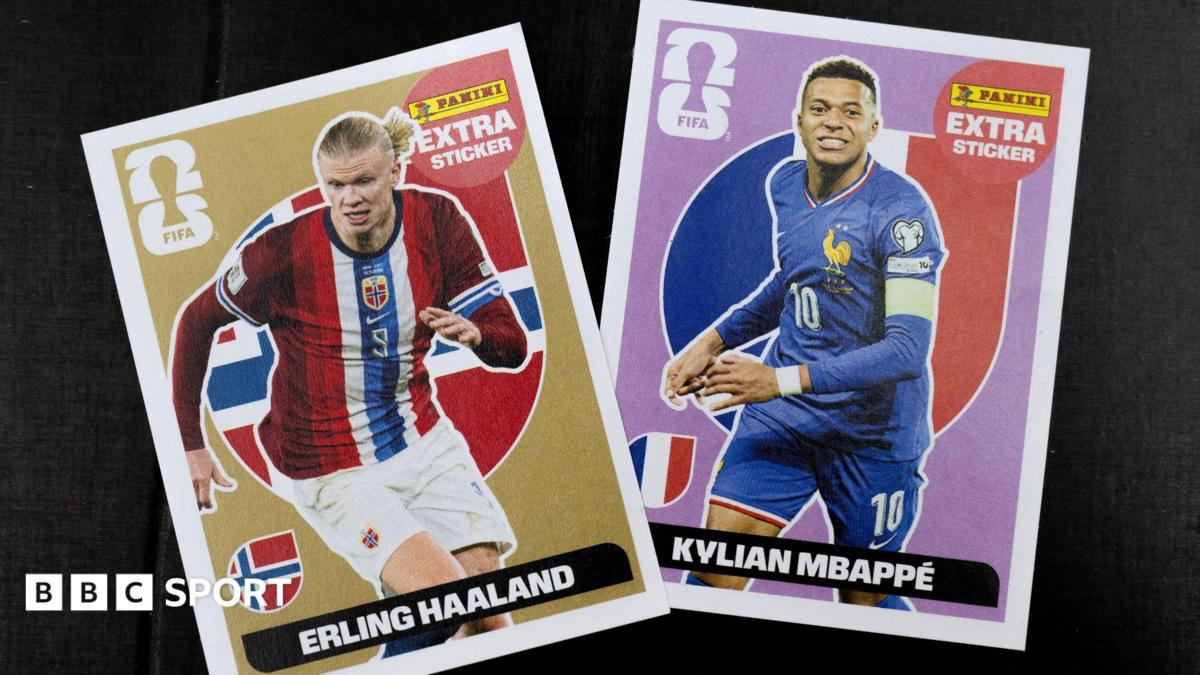
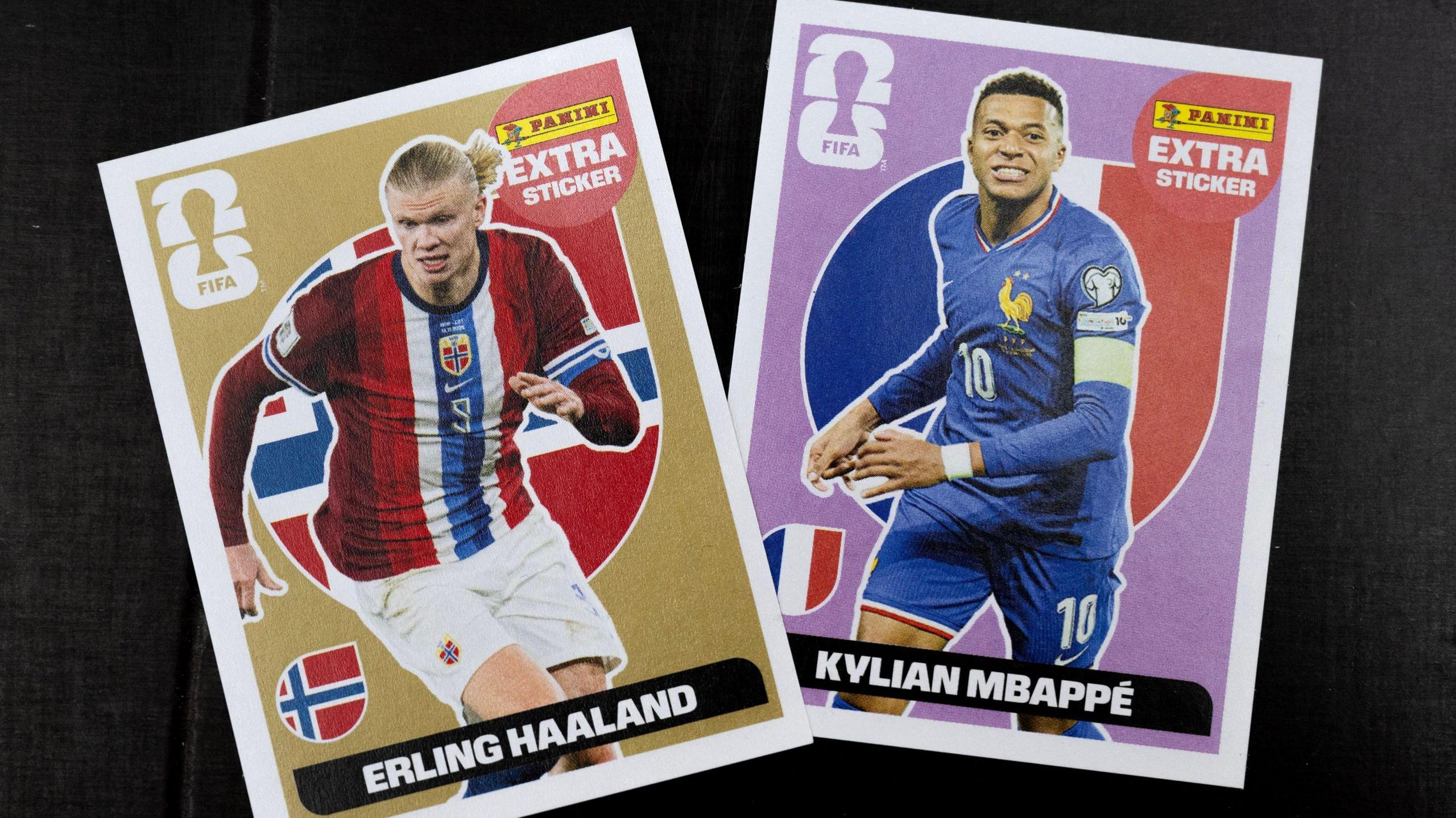
Mbappe v Haaland is the headline for Friday’s international fixture at Boston Stadium, where Kylian Mbappe’s France meet Erling Haaland’s Norway. The match offers a direct comparison of two different attacking profiles and a tactical test for both national teams.
This preview explains each player’s role, the tactical battle that will shape the game, four watchpoints to follow at Boston Stadium, and the key moments that could determine what comes next for both sides.
Mbappe v Haaland matchup
The focus on Mbappe v Haaland centres on contrasting attacking responsibilities rather than ranking players. Coverage frequently describes Kylian Mbappe and Erling Haaland as among the most influential forwards in world football; that framing helps explain public interest but is an observation used by outlets rather than a single objective measure.
Kylian Mbappe operates with mobility and positional variety. For France, he can start wide, move inside or drop deeper to link play; that versatility allows France to alter angles of attack and invite opponents to follow him, creating space for team-mates. He contributes through progressive runs, finishing and creating chances from wider starting positions.
Erling Haaland typically occupies a more central, focal striker role for Norway. The team’s attacking patterns often emphasise delivering direct passes, crosses and transitions that prioritise Haaland’s physical presence and timing in the box. Norway structure phases of play to supply him with high-value chances inside the penalty area.
How managers balance support and predictability will shape each side’s threat. France can vary attacking outlets across multiple positions, while Norway’s clarity of focus on Haaland offers both a clear advantage in finishing and a potential tactical vulnerability if supply is limited.
Tactical battle to watch
This is an international football game where formations, defensive matchups and the use of pace and power determine impact. Below are four numbered watchpoints that should determine how much influence either forward has at Boston Stadium.
- Full-back decisions and wide overloads. If France’s full-backs push high to supply Mbappe and overload the flanks, Norway may concede channels that favour Mbappe’s runs but open space behind for direct long balls aimed at Haaland. Monitor whether full-backs stay disciplined or become attacking outlets.
- Midfield compactness and vertical passing lanes. Midfield structure will decide the frequency of vertical passes into Haaland. A compact French midfield can limit quick access to those channels; conversely, stretched midfield lines give Norway the direct options that suit their focal striker.
- Transition speed and recovery work. Both forwards profit from fast transitions. Watch how quickly each team recovers shape after turnovers: a rapid release to Mbappe or an early diagonal to Haaland on the counter will be decisive. Recovery intensity from midfielders will blunt those moments.
- Set-piece organisation. With Haaland’s aerial presence and Mbappe’s movement in the box, set plays could be decisive. Pay attention to assigned markers, zonal versus man-marking choices and whether teams accept leaving certain zones free to limit second-ball opportunities.
Key moments to watch on Friday
- Opening 15 minutes at Boston Stadium. Early momentum often reveals whether the match will open up; the side that controls transitions early can force tactical changes.
- Response to the first goal. How each team reacts after conceding — immediate press to chase the game or structural consolidation — will show managerial intent and influence the final half-hour.
- Substitution patterns in the last 30 minutes. Forward or midfield changes can shift between chasing and countering. Watch whether coaches introduce extra runners or a second striker to alter the balance.
- Decisive set-piece moments and penalty-area contacts. Referee calls and set-piece resolutions are often pivotal in games featuring dominant forwards; those incidents can swing the result and next steps for both teams.
These indicators also point to what comes next: a convincing win could reinforce tactical blueprints and selection choices ahead of upcoming internationals, while a loss may prompt tactical adjustments or personnel changes before the next break.
Context and background
Framing this match as France vs Norway highlights differing international identities: France typically draws on a broad pool of elite players and can rotate systems without losing attacking potency, while Norway’s approach concentrates service to a primary finishing outlet. The contest therefore tests a multifaceted attacking unit against a clearly defined focal point.
Media and fan interest in a Mbappe v Haaland narrative is driven by those contrasting profiles and by each player’s visibility at club level. BBC Sport and other outlets have highlighted the matchup in advance, noting the tactical questions it raises for both managers. For readers, the match carries value in understanding how elite forwards operate within different team structures and what tactical adjustments managers choose under pressure.
Source attribution
Original reporting and advance coverage referenced: BBC Sport – Top Stories. For further detail see the BBC Sport article: https://www.bbc.co.uk/sport/football/articles/c77yz87xdpno?at_medium=RSS&at_campaign=rss.