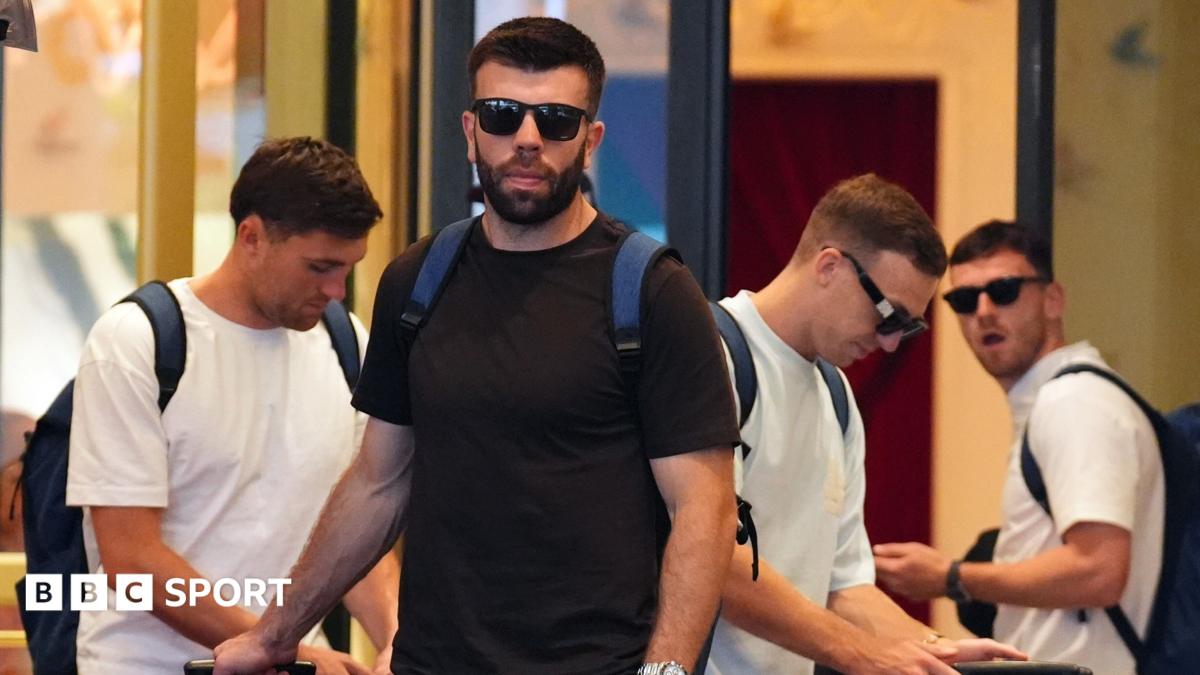
Scotland World Cup performance has been scrutinised after a tournament in the United States in which players, according to BBC Sport, “got everything they asked for” — yet the side repeatedly failed to convert that backing into reliable results on the pitch. This analysis traces where off-field provision did not translate into match outcomes and what must change next.
Quick summary
BBC Sport reported that Scotland’s players were provided with comprehensive welfare, facilities and recovery support at the World Cup. That claim — often summarised as players having “everything they asked for” — frames the central tension addressed here.
Despite those off-field measures, Scotland did not perform consistently in the United States. The mismatch between player-focused support and on-field execution is the key issue: preparation did not yield the expected competitive returns.

Scotland World Cup performance: what went wrong
Match-level evidence points to recurring patterns rather than a single decisive failure. Across the tournament, Scotland struggled to create sustained pressure in the final third and to convert periods of possession into high-quality chances. Opponents were frequently able to blunt Scotland’s advances by congesting central areas and forcing play wide.
Defensive organisation showed lapses at moments of concentrated pressure. There were spells when the team allowed opponents to keep the ball in dangerous positions and others when transitional moments led to quick turnovers. Publicly available match footage and post-match commentary highlighted limited creativity in central attacking zones and predictable attacking routes that were easier for opponents to defend against.
Set-piece delivery and chance creation were areas where the team did not consistently generate the expected returns. Those shortfalls compounded one another: without reliable chance-creation, the margin for defensive error shrank and tactical flexibility was curtailed.
Player preparation and welfare vs match readiness
The BBC Sport claim that players “got everything they asked for” is important because it separates welfare provision from competitive readiness. Having strong sleep routines, recovery staff and personalised plans reduces injury risk and supports individual readiness, but it is not a guarantee of collective performance.
Welfare measures are necessary but not sufficient. The crucial step is aligning those individual supports with intense, match-like training that rehearses pressing triggers, transition moments and attacking sequences under realistic pressure. Reports indicate Scotland invested in welfare and recovery; however, the evidence from match play suggests a gap between those provisions and how well the team executed tactical patterns in competitive moments.
In short, good welfare can preserve player availability and energy, but team rhythm, tactical rehearsals and shared decision-making under stress determine whether that availability turns into effective performance.
Coaching, selection and in-game management
Coaching decisions — from starting XI selection to the timing and nature of substitutions — influenced Scotland’s ability to respond when matches were not going to plan. Tournament football demands clear contingency plans and rapid in-game adjustments; where those were absent or slow, momentum swung away from Scotland.
Selection choices about balancing experience and form, and the specific roles assigned to midfield and forward players, shaped how well the side could adapt to opponent tactics. On several occasions, substitutions and tactical tweaks did not decisively alter the flow of play, leaving the team exposed in transitional moments.
Effective in-game management requires pre-set performance objectives and triggers (for example, when to change shape or personnel if a particular opponent pattern emerges). Scotland will need to demonstrate sharper decision-making in these areas to convert preparation into results.
What comes next for Scotland
Short-term priorities should connect player welfare to collective match behaviours. Practical steps include designing training that replicates match pressure, rehearsing tactical contingencies for common opponent responses, and embedding measurable performance targets (pressing intensity, shot-creation metrics, success in transitions).
Management should make performance metrics explicit in training windows so that improvements are visible and testable. Selection policy must balance the benefits of continuity with the need to reward in-form players whose attributes better match planned tactical patterns.
Fans should watch for clearer selection rationale, quicker tactical adjustments in-game, and evidence that welfare gains are being reinvested into sharper collective patterns. If the staff can align individual preparation with team-level rehearsal, Scotland’s on-field outcomes should become more dependable.
FAQ
Did Scotland really get everything players asked for at this World Cup?
BBC Sport reported that players were given the facilities and support they requested, describing comprehensive welfare provision. That report refers to off-field arrangements rather than an independent audit of every request; the BBC article is the basis for the claim.
What were the main on-field issues behind Scotland’s results?
Public match analysis points to limited creative penetration in the final third, inconsistent defensive moments during pressure phases, and tactical plans that opponents were able to restrict. Those are observable patterns from match footage and commentary rather than a catalogue of single events.
What should Scotland change before the next major tournament?
Prioritise match-intensity training that aligns with welfare programmes, set clear measurable targets for pressing and chance creation, and sharpen substitution and tactical-trigger protocols so in-game management can reverse negative momentum promptly.
Source: BBC Sport – Pampered, protected & primed – so why didn’t Scotland players perform?
Next steps for team management: define measurable performance metrics, test tactical contingencies under realistic pressure, and ensure welfare measures directly support those match-focused targets.