Vinicius Junior goal ruled out after VAR review
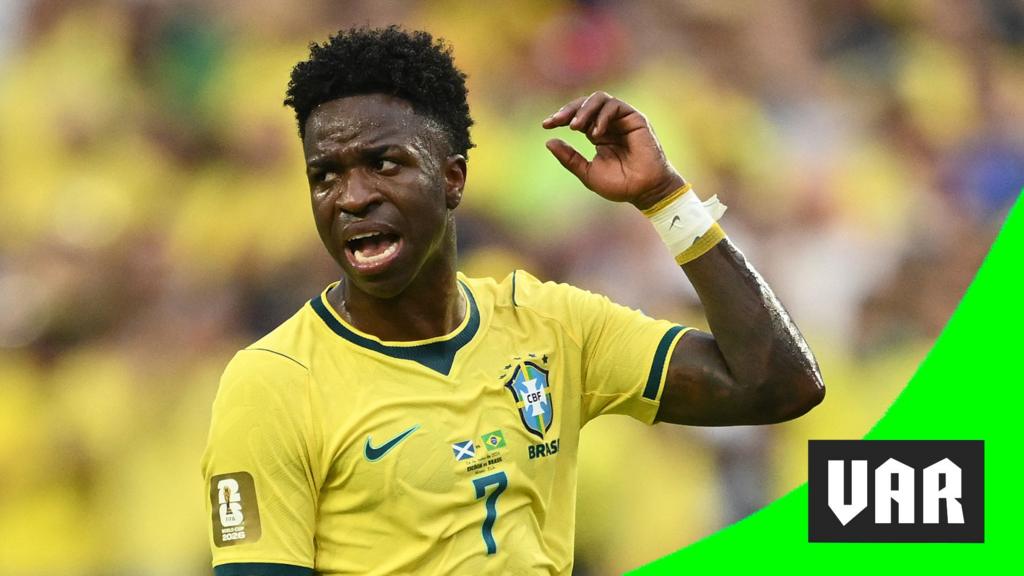
Vinicius Junior had a goal ruled out after a VAR review during the Brazil v Scotland match, BBC Sport reports. The referee was sent to the pitchside monitor to re-watch the incident and the strike was overturned for an alleged foul in the build-up, removing what would have been Brazil’s second goal.
Featured image: Vinicius Junior during Brazil v Scotland (BBC image supplied)
What happened
In the Brazil v Scotland fixture, Vinicius Junior looked to have finished a close-range move and put the ball in the net. Play was stopped when the VAR team flagged a potential infringement in the attacking phase leading up to the strike. Following the protocol, the referee went to the pitchside monitor to view the replay and, after reviewing the footage, ruled the goal out for a foul in the build-up, as reported by BBC Sport.
The on-field announcement confirmed the decision and the stadium reaction changed from celebration to contention. BBC Sport noted that the goal was overturned after the referee concluded there had been contact amounting to a foul during the attacking sequence.
How VAR decided: referee review and the alleged foul
The VAR check specifically examined whether any player from the attacking side committed an infringement that affected the play before the ball crossed the line. According to BBC Sport, the VAR team communicated with the referee and the standard process was followed: a clear and obvious error check, followed by an invitation to the referee to review the incident on the pitchside monitor if necessary.
After watching the replay, the referee judged that contact in the build-up constituted a foul and therefore the goal could not stand. BBC Sport reports the referee was sent to review the footage again at the monitor — an explicit confirmation that the on-field official took the final decision after the VAR recommendation.
Such decisions hinge on interpretation of contact, positioning and whether the alleged foul had a material effect on the play. VAR is intended to correct clear and obvious errors, but calls on contact often remain subjective and can prompt debate among players, managers and supporters.
Play timeline
Below is a concise timeline of the sequence that led to the ruled-out goal, drawn from the available BBC Sport reporting and standard VAR procedures:
- Build-up: Brazil advanced into Scotland’s penalty area and worked the ball into a position that produced a scoring chance.
- Final action: Vinicius Junior connected with the ball and the shot ended in the net, prompting celebrations from Brazil’s bench and fans.
- VAR intervention: The VAR team reviewed the attacking sequence for any potential infringement and flagged the incident for an on-field review.
- Referee review: The referee went to the pitchside monitor to examine the replay, as confirmed by BBC Sport.
- Outcome: After review, the referee ruled the goal out for a foul in the build-up and the decision was announced to the stadium.
The timeline shows the standard flow from the on-field action to the VAR check and the final on-field ruling. BBC Sport reported that the ruling specifically cited a foul in the build-up as the reason the goal was disallowed.
Match impact and context
Removing what would have been Brazil’s second goal had immediate implications for the match. For Brazil, the disallowed strike prevented them from extending a lead that could have changed tactical approaches and eased pressure on their defence. For Vinicius Junior, the reversal erased a clear goalscoring moment that would have been credited to him and altered the narrative around the match.
For Scotland, the overturned goal provided relief and kept them in the game tactically and psychologically. Teams often react to such pivotal VAR interventions by adjusting their approach — managers may alter substitutions, shift defensive or attacking emphasis, or use the incident to galvanise players.
On a wider level, the incident underscores ongoing conversations about VAR’s role in major matches. BBC Sport’s coverage highlights how reviews of contact and fouls in build-ups remain among the most contested aspects of VAR, because they frequently depend on fine judgements about whether contact was sufficient to affect play.
While VAR aims to reduce clear errors, subjective decisions will likely continue to provoke debate unless governing bodies issue even more detailed application guidance for match officials. BBC Sport’s report reiterates that the final authority in such reviews remains with the match official after the pitchside monitor review.
What comes next
- Immediate: The match continues under the new scoreline and both teams will adjust tactics based on the overturned decision.
- Short term: Analysts, pundits and fans are likely to re-examine the footage and the VAR protocol as applied, with BBC Sport among the outlets reporting the sequence and the referee’s on-field review.
- Longer term: Incidents like this renew calls for clearer interpretation guidelines around contact in the build-up to goals to reduce controversy and improve consistency.
Key takeaways: The goal was disallowed after a VAR review and an on-field monitor check by the referee; BBC Sport reports the decision was due to an alleged foul in the build-up. The ruling had immediate effects on momentum and the tactical picture for both Brazil and Scotland and highlights ongoing debate about subjective VAR calls.
Source: BBC Sport – Second Brazil goal ruled out for Vinicius Jr foul