President Trump has accused major oil companies of price gouging at petrol pumps, naming Shell, ExxonMobil, BP and Chevron while speaking to reporters about a probe into fuel prices, according to reporting by BBC News – Business.
This is an allegation reported by the BBC and has not been independently verified by The Nonstop News. The president’s remarks, as described in the BBC account, single out four of the world’s largest oil firms for scrutiny over pump prices.
What Trump said about price gouging
The president explicitly named Shell, ExxonMobil, BP and Chevron when discussing the probe into fuel pricing, the BBC reported.
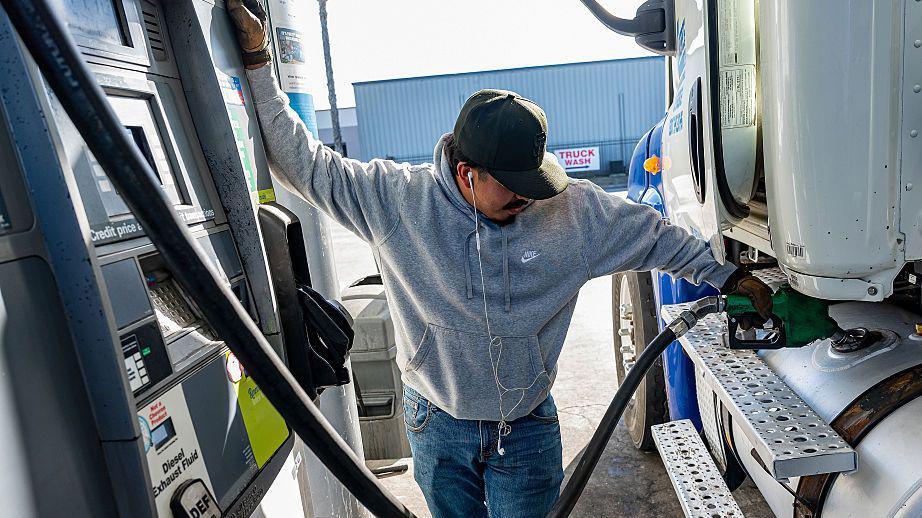
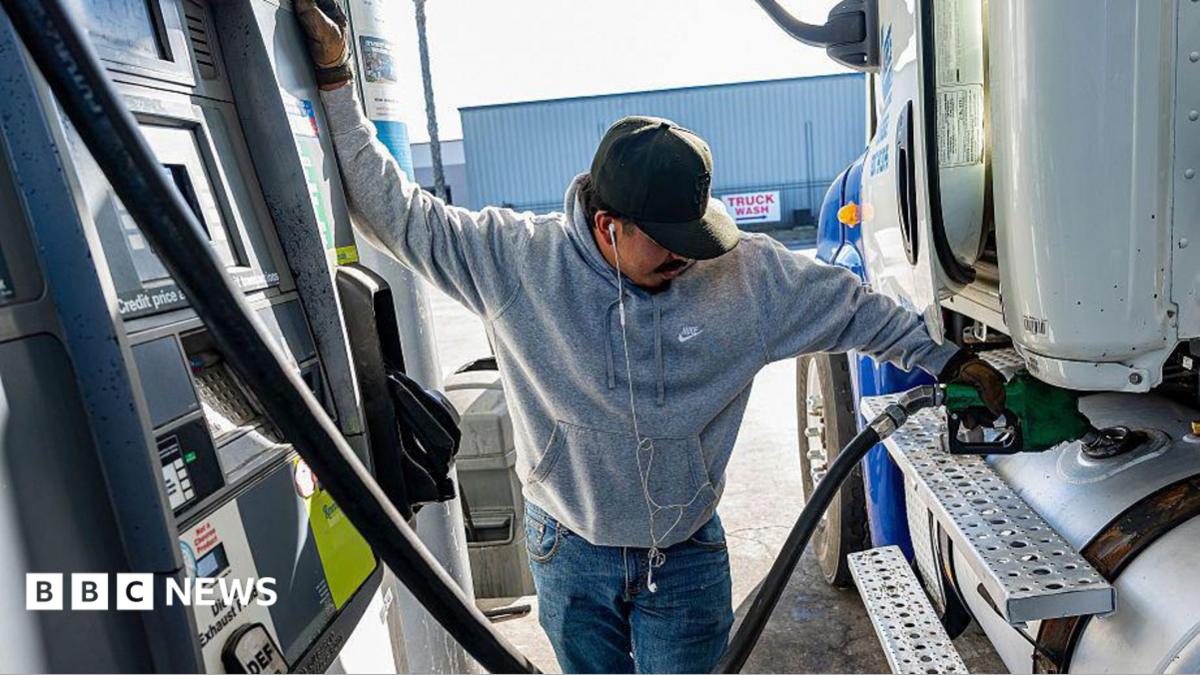
He framed the issue as price gouging at petrol pumps, saying the named firms were the focus of questions about whether consumers were being charged unfairly as pump prices rose.
President Trump said the named firms were engaging in price gouging at petrol pumps, according to BBC News – Business.
How oil firms and markets reacted
The BBC article that first reported the remarks did not include detailed, immediate statements from the companies named. It was not clear from that report whether Shell, ExxonMobil, BP or Chevron had issued formal responses at the time the story was published.
Economic markets sometimes respond to high-profile political comments, but the BBC report did not link the president’s remarks to verified market moves or specific trading patterns. Where companies do respond, they typically point to wholesale costs, refining and distribution margins, and competitive retail markets when defending retail prices.
Because the BBC report is the primary source for this update, The Nonstop News has not added independent confirmations of company replies or market consequences beyond what the BBC published.
Why this matters to consumers and regulators
An allegation of price gouging at petrol pumps matters because it raises questions about how final retail fuel prices are set and whether motorists are paying inflated margins at the pump.
Retail petrol prices reflect a mix of factors: global crude oil benchmarks, costs of refining and distribution, regional supply and demand, taxes, and the margins retailers charge. When those components move sharply or in unexpected ways, consumers can see rapid changes at forecourts.
Regulators in the US and elsewhere have statutory tools to investigate unfair or anti-competitive behaviour. Allegations like these can trigger informal fact-finding or formal probes by agencies tasked with protecting competition and consumers. State attorneys general and federal bodies have previously examined fuel markets when concerns about coordinated behaviour or excessive pricing have arisen.
For ordinary motorists, higher pump prices can feed into household budgets and raise costs across supply chains, since fuel is a direct input for transportation and many goods.
What comes next
- Investigation: Regulators may request information or open formal inquiries to examine pricing records if they find prima facie grounds.
- Requests for company data: Authorities could seek wholesale and retail pricing data, supply contracts and communications that bear on pricing decisions.
- Congressional scrutiny: Lawmakers may call for hearings or briefings from companies and regulators to probe whether consumers were harmed.
- Company responses: Expect public statements from any firm named, clarifying pricing practices and offering data on margins and costs.
At this stage, the BBC report provides the president’s account and the names he mentioned; it does not confirm that a statutory enforcement action has been launched against any company.
Background
Allegations of price gouging in fuel markets are often followed by calls for transparency about the components of pump prices. Past examinations have shown that while retail prices can rise quickly, those movements frequently reflect higher wholesale costs or regional supply disruptions rather than unlawful conduct. Nevertheless, regulators look for evidence of collusion, price-fixing, or deceptive practices when patterns suggest improper coordination or exploitation of consumers.
Formal probes can take months and do not always result in findings of wrongdoing. They typically involve gathering documents, interviewing industry participants and analysing transactional data to assess whether market rules or laws were broken.
Source attribution
This update is based on reporting by BBC News – Business. For the original report, see: https://www.bbc.co.uk/news/articles/cly790j1j6ro?at_medium=RSS&at_campaign=rss
We have treated the president’s comments as an allegation and have not independently verified the claim of price gouging. The BBC report is the primary source for the details included here.