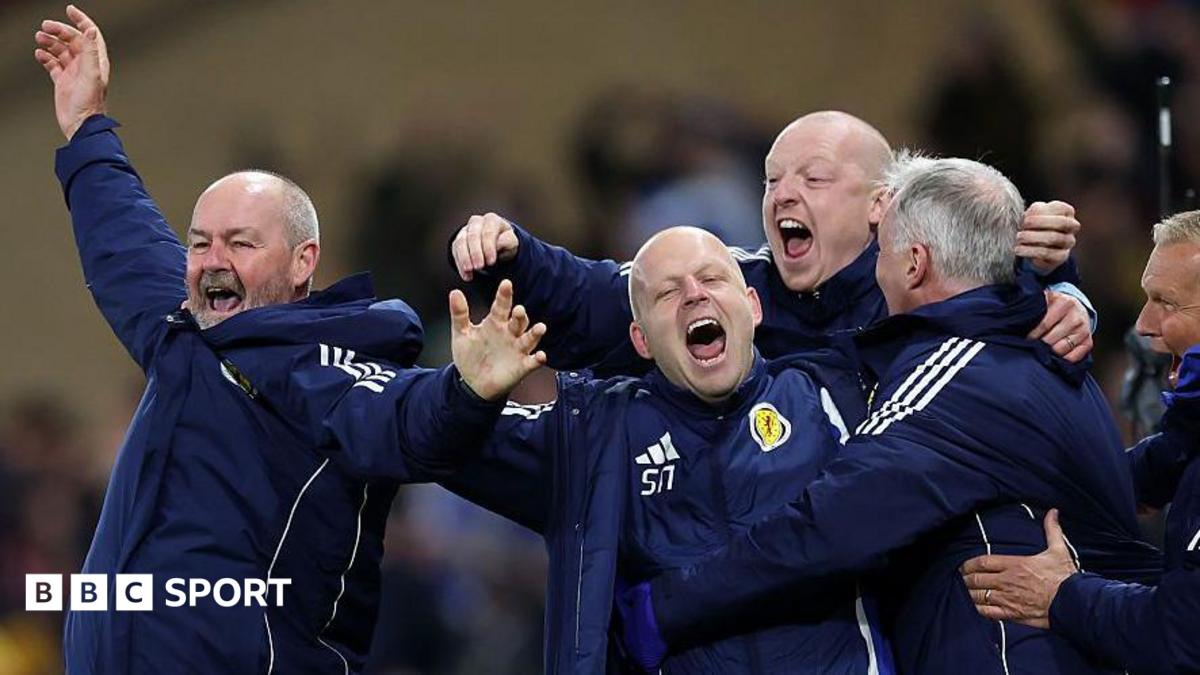
Quick summary: The Scotland head coach vacancy poses a high-stakes choice for the Scottish Football Association as it prepares to replace Steve Clarke and steady the national team. BBC Sport reported on 2026-06-28 that the SFA must balance immediate results with a longer-term project amid a compressed appointment window. BBC Sport, 2026-06-28
The next Scotland head coach will be judged on getting the best from a competitive but ageing squad while preparing for the upcoming Euro and World Cup cycles. This analysis sets out the candidate fit the job requires, the day-to-day demands of managing Scotland, and the practical constraints that will shape the selection timeline.
Candidate fit: what a Scotland head coach must bring
The ideal Scotland head coach needs tactical flexibility and strong player relationships. Scotland’s squads blend Premier League professionals with home-grown talent, so the manager must adjust systems to suit available personnel while setting a clear identity.

Man-management is crucial. Players arrive with varied tactical education and club responsibilities; the coach must build trust quickly, clarify roles and manage established stars while accelerating the integration of younger prospects. Experience at international level is valuable because it demonstrates the ability to extract cohesion with limited training time, though proven club success can also indicate tactical acumen.
Job demands and day-to-day realities for the Scotland head coach
Running the Scotland national team extends beyond matchday tactics. The role requires planning across qualification windows, friendlies and major-tournament preparations: clear programmes for training camps, opposition scouting and coordination with clubs on player welfare are essential.
Tactical flexibility will be tested across opponent profiles. Scotland must switch between compact defensive setups and more progressive, possession-based plans depending on personnel. The next coach should have a defined style but the pragmatism to adapt when required.
Talent development will be a priority. The SFA will expect the head coach to outline pathways for younger players and to work with youth coaches to ensure continuity, using friendlies and selective camps to accelerate promising talents.
Selection challenges and likely timeline
The appointment process faces practical constraints. The SFA must balance a rigorous international search with the football calendar and public expectations. Contract negotiations, due diligence on candidates and alignment with board priorities all add time to the process.
Timeline pressures come from upcoming fixtures and the need to set training plans for qualification windows. While no date has been confirmed, a summer appointment window is commonly expected to allow the new coach to plan pre-season camps and early friendlies and to meet players before competitive fixtures.
The SFA process will likely shortlist a mix of domestic and foreign candidates, weighing national-level experience against recent club achievements. Transparent criteria — tactical approach, player management and long-term development plans — should guide the final decision.
Potential candidates and what they offer
Searches like this typically produce three broad candidate types: established international managers, successful domestic club coaches and rising tacticians from strong European leagues. Each brings strengths and trade-offs.
Established internationals can offer immediate familiarity with the rhythms of national football and stability, but may command higher compensation and be seen as short-term fixes. Domestic club coaches know the Scottish game and players well, aiding quicker rapport and credibility with fans. Young European tacticians can bring fresh ideas and progressive development plans but must adapt to the constraints of national-team work.
Why it matters for Scotland
Whoever is appointed will shape Scotland’s trajectory through the next Euro and World Cup cycles. A clear appointment can stabilise the squad, influence player retention and affect confidence across the game in Scotland. For fans, the choice signals whether the SFA prioritises short-term qualification targets or a longer rebuild; for players, it sets selection standards and tactical expectations.
FAQ
Who are the leading candidate types to replace Steve Clarke?
Experienced international managers, successful domestic club coaches familiar with the Scottish player pool, and younger European tacticians who could offer fresh ideas are the main types. Each brings trade-offs between immediate results and long-term development.
When might a new Scotland head coach be appointed?
Timing depends on the SFA process, contract talks and the football calendar, but a summer appointment is commonly expected to allow preparation for early friendlies and qualification windows.
What should be the new coach’s top priorities?
Establishing strong player relationships, defining a flexible tactical identity and accelerating integration of younger players to bridge the next Euro and World Cup cycles should be top priorities.
Source: Analysis based on reporting by BBC Sport. Read the original coverage: What does next Scotland head coach look like as ‘monster job’ awaits? — BBC Sport, 2026-06-28