Why France look like 2026 World Cup favourites
Quick summary: France’s win over Morocco has sharpened the narrative that Les Bleus could be the team to beat in the run-up to the 2026 World Cup, building on a pedigree of global success but still carrying important caveats.
Quick context: France’s World Cup pedigree
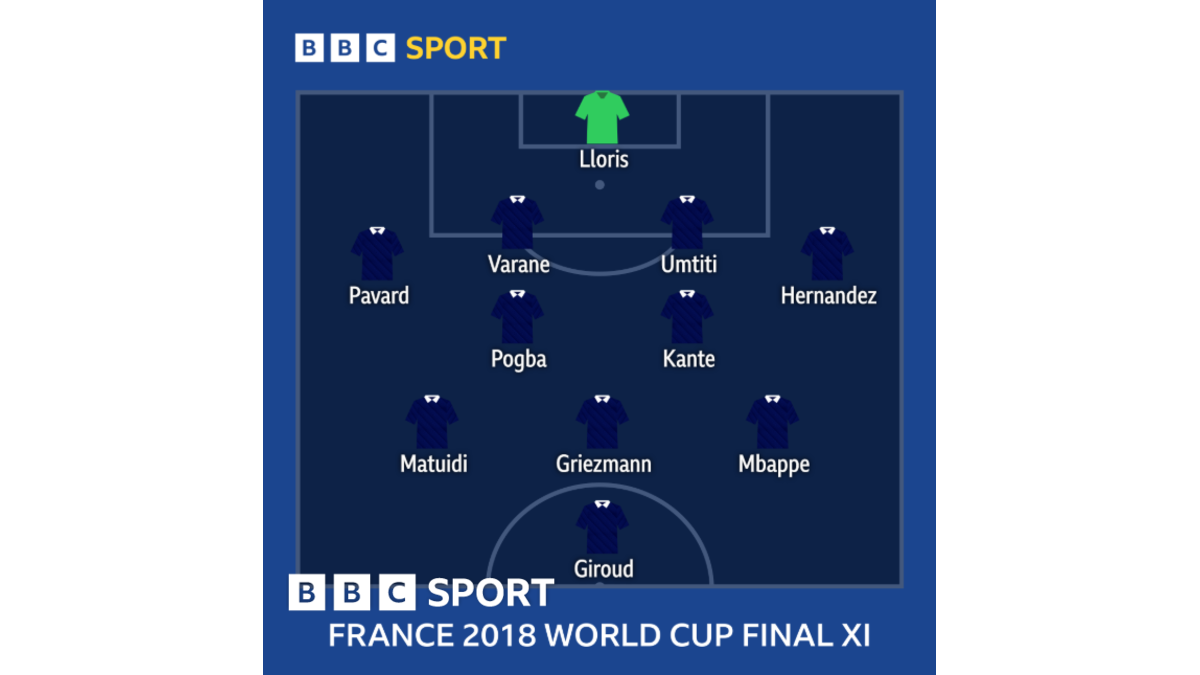
France’s record at the World Cup helps explain why any strong run of form attracts immediate favourites talk. Winners in 1998 and again in 2018, France have demonstrated in previous cycles the capacity to field tournament-winning squads. That history gives media and analysts a reference frame when evaluating current results: past success makes it easier to conceive similar outcomes in future tournaments.
BBC Sport has framed the recent progress as evidence that this generation may have “created another special team,” a line that has amplified discussions about France’s long-term prospects. While historical pedigree alone does not guarantee future titles, it conditions how wins are interpreted by pundits and supporters.

France: how the Morocco win shifted perceptions
The Morocco match is the pivot many observers cite when arguing France are emerging as frontrunners for 2026. Beating a side recognised for organisation and defensive discipline made a statement about France’s ability to break down compact opponents — one of the classic tests of a tournament-ready team.
BBC Sport’s coverage of the game helped frame the result as more than a single positive night, noting elements of collective performance that suggested tactical flexibility and resilience. Commentators highlighted France’s control of decisive moments, the creation of chances against a tight block, and the psychological impact of winning a high-profile game — all factors that feed into a favourites narrative.
That said, the Morocco victory is a strong signal rather than proof. Single matches can change public perception quickly, especially when amplified by major outlets, but longer-term indicators such as consistency across competitive fixtures and squad management over a qualifying cycle remain the more reliable measures of genuine title potential.
What makes this Les Bleus side special
Supporters of the favourites tag point to three main strengths: tactical variety, squad depth and a balance between experience and fresh talent. Those features, taken together, are what most convincingly explain why some analysts are comfortable using the word “favourites” in reference to France.
Tactically, France have shown multiple ways to unlock stubborn defences: quicker transitional play, purposeful wide overloads and inventive central combinations that create half-space opportunities. That variety reduces predictability and forces opponents to prepare for several eventualities rather than one style.
Squad depth is equally important. Tournament success often depends on the ability to absorb injuries, suspensions and fatigue without a dramatic drop-off. France’s talent pool gives coaches options across several positions, allowing rotation and tactical tweaks without obvious weakening — a practical advantage in competitions with compressed schedules.
The third element is the squad mix. A dressing room that blends seasoned tournament winners with younger, hungry players can combine composure with unpredictability. That dynamic is frequently cited by analysts as a hallmark of sides that go deep in major tournaments, and it is a recurrent theme in recent coverage of Les Bleus.
Limits and caveats to the favourites tag
Labeling France as “favourites” is a defensible interpretation of current evidence but it is provisional and should be treated with caution. There are several clear risks to that narrative: loss of form, injuries to key personnel, failure to manage squad transitions and the natural improvement of rival nations preparing for 2026.
Concrete caveats include the need for consistency across the qualifying cycle, the risk that a tactical approach that beats one opponent will falter against a different style, and the potential for short-term narratives to overtake more sober model-based assessments used by bookmakers and statisticians. Media framing can accelerate a favourites label before consensus builds across performance metrics.
In short, the favourites tag is useful shorthand for current expectations but it is not a forecast with guaranteed probability. Analysts remain right to qualify the claim and monitor the indicators that matter most.
What comes next toward 2026
France’s path toward 2026 will be measured by a series of tests. Over the next 18–24 months, the clearest indicators will be qualifying results, performances against other top-tier nations in friendlies and Nations League ties, and how the coaching staff manage rotation and injuries. Sustained high-level performances in competitive fixtures will turn a narrative into a more evidence-based consensus.
Short-term fixtures offer opportunities to test depth and tactical options; mid-term indicators such as cohesion in decisive qualifiers and form in late-2025 friendlies will be telling. By the time pre-tournament warm-ups start in 2026, the combination of fitness, form and squad clarity should make any favourites case stronger or force it to be revised.
FAQ
Are France the favourites for the 2026 World Cup?
They are among the teams many observers are tipping, based on history and recent form — including the Morocco win — but that status is provisional. Favourites labels change with form, injuries and qualifying outcomes.
How did the Morocco result change France’s outlook?
It supplied tangible evidence of tactical variety and mental resilience, and it shifted media perception by showing France could break down a disciplined defence. However, it is one data point among many to be assessed over time.
Which players define this new France team?
Analysts highlight the collective profile more than a single figure: experienced winners providing calm, younger talents bringing energy, and depth across positions allowing flexibility. That blend, rather than an individual, is presented as the side’s defining characteristic.
In conclusion, France’s recent results — capped by the Morocco win — make a coherent case for treating them as early favourites for 2026. The claim is rooted in observable strengths, but it remains conditional on consistency, fitness and how rival nations evolve. Watch qualifiers, competitive fixtures and squad management for clearer confirmation.
Source: reporting and analysis in BBC Sport informed this piece. Read the BBC Sport article on France’s run and the Morocco match on the BBC Sport website: BBC Sport.